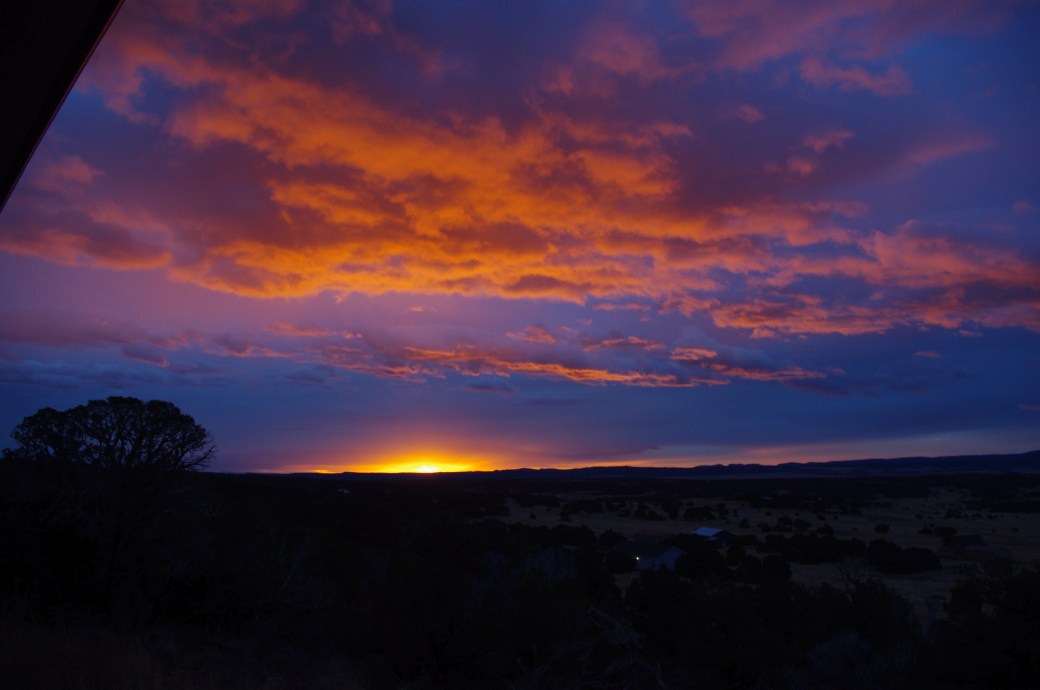
Are you moving towards your life goals?

When was the last time you put some serious energy into contemplating your life goals? Not what needs to happen in the next year or two, but what needs to happen for you to feel satisfied in the long run.

After I lost my job and 25 year career back in 2004, I spent months contemplating my life up until then. After decades of work as an academic librarian, I was suddenly set free to consider every option. This was a wonderful gift, well disguised as misfortune.

My first book Midlife Magic: Becoming The Person You Are Inside is a summary of the feelings I went through at that time. Here I share my own story of transformation from divorced, unemployed and miserable, to my best life ever, explaining how midlife change, changes everything.
img_1058

Yesterday I went through a list I made back then, a list of my new priorities after I stopped and considered my life at age 49. Here are a few things I wanted more of before I died: love, acceptance, appreciation, access to pure silence, to be surrounded with solar warmth, natural beauty, music, wildflowers, peace, contentment, relief from guilt and shame, and respect for my own integrity.

Such a wonderful feeling to know that I have somehow brought so many of these blessings into my life through my own stubbornness and courage. The way I describe this transition now, on the “About The Author” page of my new book:

Midlife crisis queen header gold

“Her midlife crisis began with a divorce and then progressed to the loss of her library career, misfortunes she now finds supremely fortuitous, as everything wonderful in her present life flowed from these difficult experiences.”

Robert Mirabal and the power of intention

fort-francisco

“You never know what the spirit of intention can do.”  –Robert Mirabal

We spent a marvelous morning on Saturday at the Native American Celebration at Fort Francisco in La Veta.

First of all the Fort is a beautiful example of 1800s adobe construction. Their exhibits are also a wonderful collection of memorabilia from the past century, like a a walk through the homes of the early 1900s. Old furniture, clothes, and my favorite, photos of people from our past.

Then we enjoyed a dance performance by three girls from the Jicarilla Apache Nation. The highlight was a performance by Robert Mirabal of Taos Pueblo. Yes, his music is magic, and I also found great wisdom in his words.

Robert MirabalRobert shared with this mostly European-American crowd the history of this area and what it meant to Native Americans. He explained why his ancestors came up here from the south and kept the trails alive and fresh for others. He spoke of intention in our daily life.

When Robert plays his flutes and sings, it sounds like he is channeling the life and  stories of his ancestors, bringing up vivid imagery of our Native American past.

And in a way, isn’t that what we all do each day, channel our ancestors? So much of who we are is determined by choices made by our parents and grandparents.

I am honored to be now living on this land where the buffalo roamed, the place where my grandfather hoped to retire.  I feel closer to the land than I have in decades, and I intent to protect this land and its heritage.

Excerpted from my new book: A Memoir of Retirement: From Suburbia to Solar in Southern Colorado.

My New Book – Kindle Edition!

memoir-of-retirement-2016Hey! It’s Small Business Saturday and you cannot find a smaller one than mine! Please consider my new memoir as a great gift for boomers thinking about retirement alternatives. We did something completely different and we’re glad we did, but there were times we weren’t so sure. Some of you have asked when I might have an e-book edition of my new book available for purchase. I just loaded it!

Recognizing A Stroke

blue-brain

S *Ask the individual to SMILE.

T *Ask the person to TALK and SPEAK A SIMPLE SENTENCE (Coherently)

R *Ask them to RAISE BOTH ARMS.

If they have trouble with ANY ONE of these tasks, call 911 immediately.

New Sign of Stroke — Stick out Your Tongue!

Ask the person to ‘stick’ out their tongue. If the tongue is ‘crooked’ or goes to one side, that is also an indication of stroke.

If everyone who reads this sends it to 10 people; at least one life may be saved.


How sacred are our mountains…

After watching an episode of Sacred Journeys on PBS, one which included a bit about the sacredness of mountains in Asian thought, I got to thinking about how important it feels to have a full-time view of the forever changing Spanish Peaks right outside our front windows.

IMGP3555

The Spanish Peaks, pictured above, have a centuries-old history of sacredness. Dating back far before the Europeans arrived, this area was a crossroads of the American West. Taos Pueblo, located in northern New Mexico today, has been a major Native American trading center for over 1,000 years. One trail headed north out of Taos into the San Luis Valley, crossing east over Sangre de Cristo Pass, through the gap between Rough Mountain and Sheep Mountain.

Various Native American tribes like the Ute, the Navajo, the Jicarilla Apache and the Comanche passed through this valley regularly. To them the Spanish Peaks stood out because they seemed to emerge out of nowhere up to 13,000 feet running east and west, not north to south like the rest of the Rocky Mountains.

The natives peoples considered this a sacred place of ceremony. As far as they were concerned, this is where mankind first emerged from the womb of the earth. In other words, this was their own Garden of Eden.

The Ute Indians named these two peaks Huajatolla (pronounced Wa-ha-toy-a), meaning the “two breasts” which translates as “Breasts of the Earth”. I loved learning this ancient history, which I first heard about from Robert Mirabal when he came here to perform recently.

We moved here to create a dynamic relationship with these mountains, this landscape and the lovely silence. Mike and I have both traveled to many parts of the world. We now find the inward journey more essential than outward ones.

DSCF1014For us this is a sacred place, one where we can celebrate and appreciate the beauty of nature every single day, while continuing a long tradition of sustainable living.

Want to learn more about what it feels like to say goodbye to city life in order to live more intentionally?  Here’s a link to my new memoir.

Follow us on TWITTER!