My Own Experience With WildFires and Snow Storms

Imagine if this were your town…

My heart goes out to those who lost loved ones in the California Paradise Fire last November. I hope you were able to see Frontline last night, Fire in Paradise. I think it is important that the rest of us understand what some Americans have gone through and what they lost. In less than 4 hours a small fire that started 8 miles from Paradise engulfed the entire town from all directions. Many of the 40,000 residents simply did not believe the speed of this fire. Others tried to get out, but the roads were too jammed up to escape. Eighty-five Americans, most over age 65, died in this wildfire.

I felt a strong need to watch this episode of Frontline because we had our own wildfire here last July, and if not for our wonderful and amazing local firefighters, that town could have easily been La Veta, population 8-900.

The Spring Fire on the evening of June 28th 2018

The night that fire started, I sat in my bed and watched the fire jump from mountaintop to mountaintop across a couple valleys behind us. I could also see our local firefighters out there giving their all to contain that fire. The next day the National Guard was called in along with the Hot Shots and firefighters from around our nation. We were evacuated the next day for a week, as the fire jumped Highway 160 and came towards our new home. Our fire burned a total of 108,045 acres, and was the third-largest wildfire in Colorado history.

The residents of Paradise where not so lucky. They basically had no warning. The fire came flying into their town so fast and only half were warned properly by Code Red. But even then their roads were inadequate to evacuate the entire town in less than an hour. Imagine the fear and anguish.

The weather outside may be frightful, but not like a firestorm!

Like most disasters, news reporters flash on a big story for a day or two and then we all forget, but not me. Every report from California and every single day of our latest series of three snowstorms here in southern Colorado remind me of how lucky we are to still be receiving large amounts of moisture. Yep. Fifteen inches of snow is fine with me!

Things you may discover as you age…

Here’s my list. Have some fun creating yours!

I love feeling loved and married.

Just feeling no pain feels GREAT!

Breathing can be such a pleasure.

Pets are a blessing!

Sitting in the sun on a cold winter’s day is heaven!

Even small towns can be FUN.

Good friends are very hard to find.

Gratitude is everything!

Being in ‘reality’ and escaping it are both fun and necessary.

Finding purpose and meaning are both overrated: Enjoy yourself!

Letting go of your past is the first step towards enjoying your present.

Silence is GOLDEN.

Letting go of judgment and replacing it with compassion sets you free!

I LOVE harp music.

Everyone talks about the weather. Here’s something you can do about it!

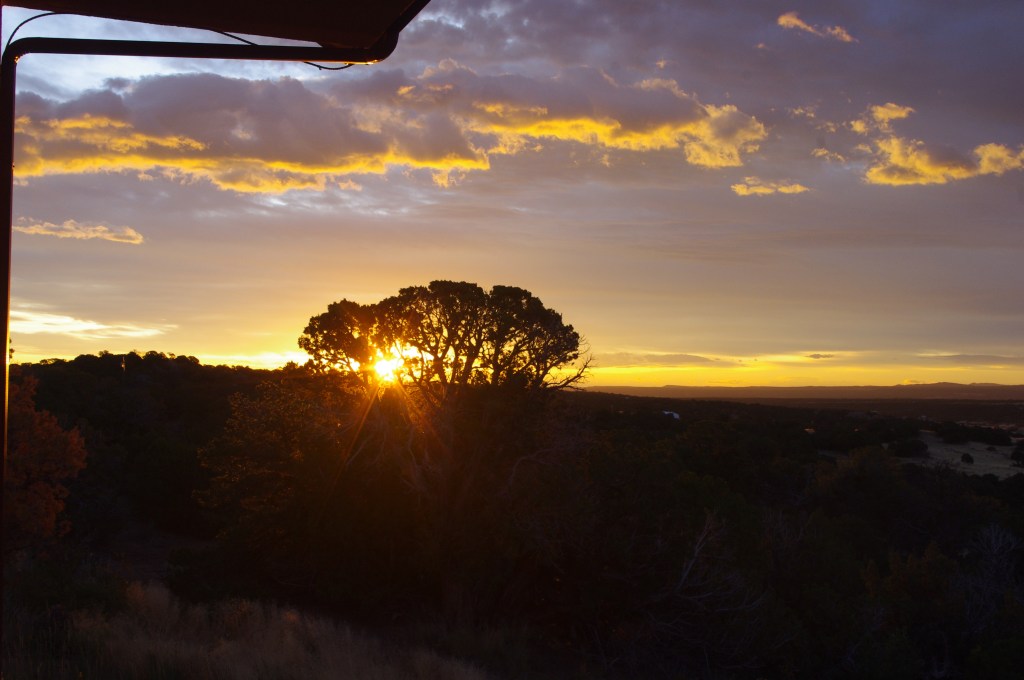
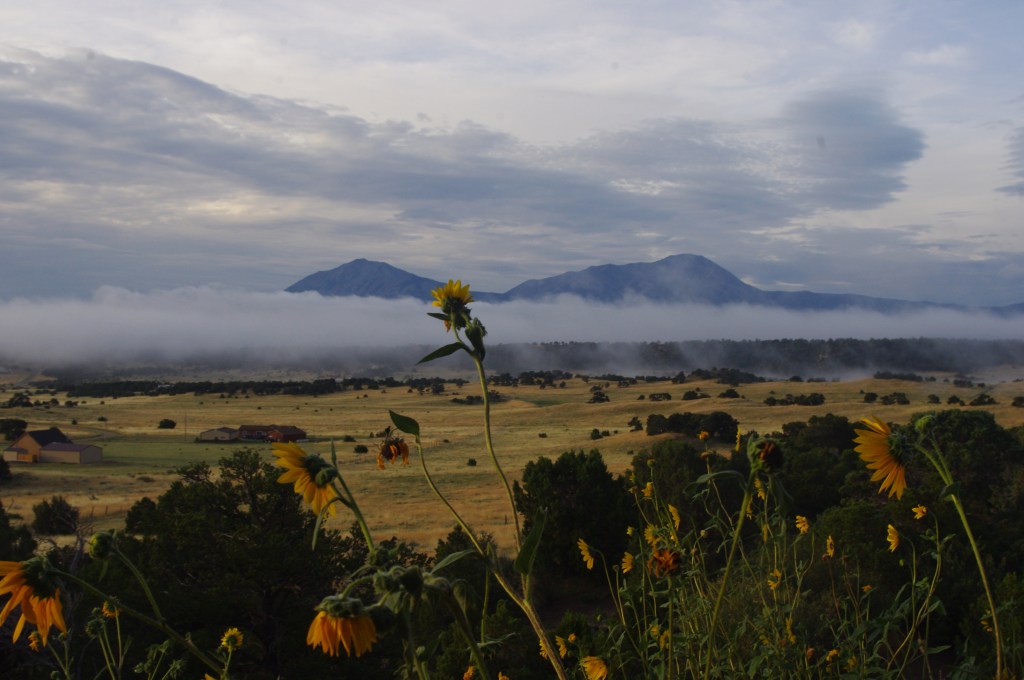
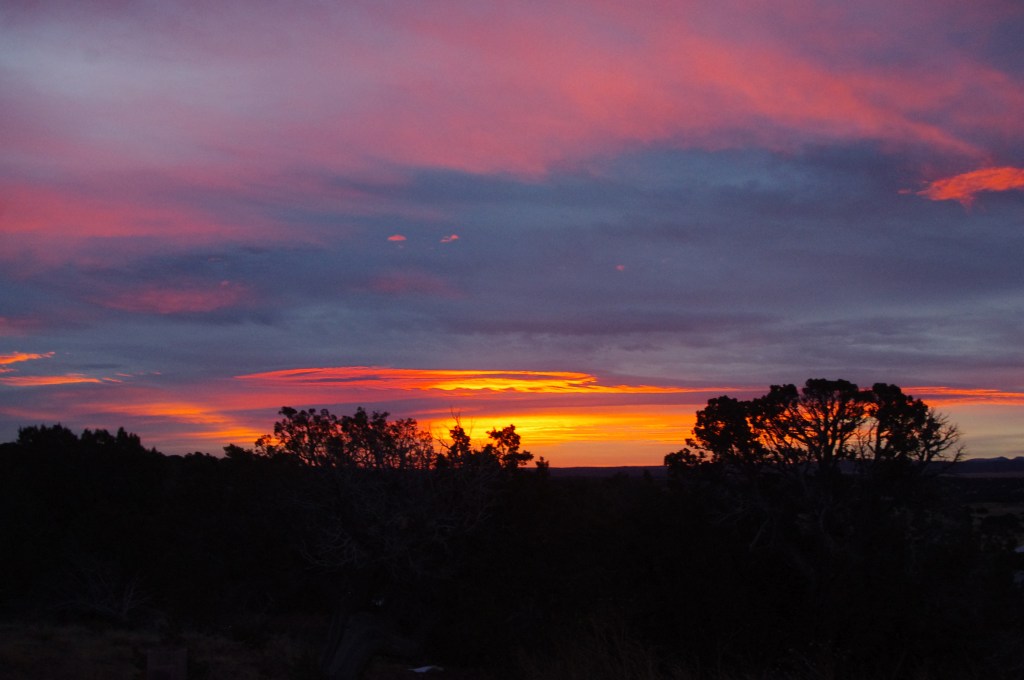
The scene outside my bedroom this morning!

On a day like today, with ten inches of fresh, white snow outside our door in the foothills of southern Colorado, it seems crazy to focus on future drought conditions in the American Southwest. And yet, if you are at all climate aware, you know that droughts can happen at anytime and last for decades. Ask the Anasazi who disappeared from Mesa Verde centuries ago, or those who lived through the Dust Bowl in the 1930s in the American Midwest. Do you think those Oklahoma farmers had any idea what was coming?

I admit it. I have been an avid weather watcher forever, and when I lived near Fort Collins Colorado on July 28th 1997, we experienced a flash flood through the middle of town that killed five residents and scared the hell out of the rest of us! I worked then at Morgan Library on the Colorado State University campus (CSU) when eight feet of water swept through our area from an intense rain storm over the western foothills. In just minutes we lost almost all of our journal collection in compact shelving located in the library basement. There were some kayaking across campus that night! We were not even allowed to go into the library building for over a month.

I saw a TV documentary this week that explained what we know now about future water uncertainty in the American southwest. Cities like Los Angeles, Phoenix and Las Vegas are quite vulnerable to future drought. Water supplies are limited and not adequate if even a short drought should arrive in the next few years. The study of where we receive rain and snow is essential to understanding weather patterns and helping us plan for an uncertain future waterwise.

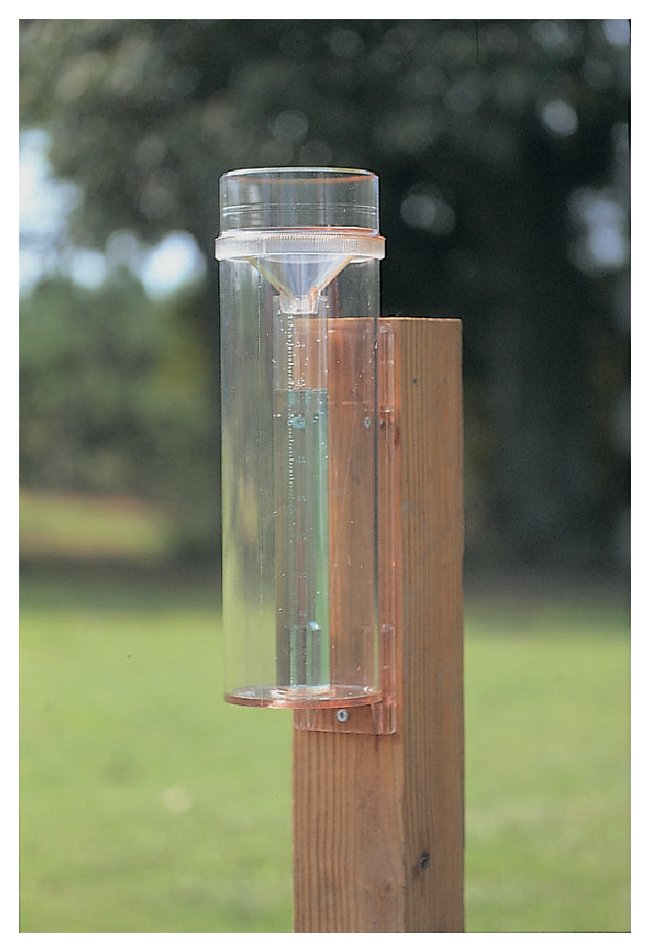
The rain gauges used to collect precipitation for COCORAHS

In response to the flood in Fort Collins in 1997, the Community Collaborative Rain, Hail and Snow Network (CoCoRaHS) was developed by the Colorado Climate Center at CSU a year after the flood, to improve the acquisition of concise precipitation data nationwide and facilitate quick communication of rain/snow reports during disasters. Each time a rain, hail or snow storm crosses an area, volunteers take measurements of precipitation from as many locations as possible. These precipitation reports are then recorded on their Web site www.cocorahs.org. The data are then displayed and organized for end users like Weather Service meteorologists, hydrologists, emergency managers, city utilities (water supply, water conservation, storm water), insurance adjusters, USDA, engineers, mosquito control, ranchers and farmers, outdoor & recreation interests, teachers, students, and neighbors in the community to analyze and apply to daily situations ranging from water resource analysis and severe storm warnings to neighbors comparing how much rain fell in their backyards.

COCORAHS is now a nation network for volunteers! Please consider joining in this effort to record accurate data and be a part of future water planning efforts. All you need to do is purchase a standard rain gauge, learn how to read it and then send in your data everyday. I have been a volunteer for over 20 years now from a number of locations in Colorado.

I love being a part of such an important volunteer effort! Please consider joining in. We need lots more volunteers in Huerfano county & most rural areas of the USA!

Do Stereotypes About Aging Influence You?

Now that I’m in my 60s, I find adjusting to how others see me can be pretty tough at times. I still feel like the same 40 or 50-year-old inside, but looking in the mirror is sometimes shocking.

The first time a waiter at a restaurant turned to Mike and I and said, “Would you two like the senior discount?” I thought, “Is he talking to me?”

The way these internalized attitudes about aging affect us physically is a focus within a growing field in social psychology called “mind-body studies.” In the next few months, the World Health Organization will publish the results of a global investigation of ageism — discrimination toward elders, similar to racism and sexism. This report will address how we might fight ageist discrimination and prejudice. The report will also outline the myriad ways that ageist attitudes can and do affect the health and well-being of us and our elders.

I find research in this area fascinating! For example, researchers have found that “words used to describe older people, found in a database of historical American English, have become increasingly negative in the past 200 years, possibly because aging has come to be seen as a medical condition.” Positive words like wise, sage, accomplished, learned, creative, insightful have increasingly been replaced with declining, dependent, senile, dying, decrepit and incompetent.

When these negative age stereotypes are used against an elder population, subjects show a decline in performance in memory tests and other areas. Those exposed to positive age stereotypes showed improvements. On so many different tests, findings suggest a strong correlation between exposure to positive stereotypes and an improved view of Self as we age.

This reminds me of one of my favorite lifelong sayings:

“Language is practical consciousness.” -Karl Marx

Carefully analyze the words we use to describe ourselves and others! The way we honestly see ourselves and others has meaning. How do others refer to you? Does that impact how you see yourself?

As any wordsmith will tell you, WORDS DO MATTER.

As Psychologist Becca Levy put it:

“Stereotypes about aging are so pervasive. They can easily be assimilated from the surrounding culture, become a part of an individual’s self-definition, and ultimately affect how that person’s body operates — a process called “stereotype embodiment.”

Dr. Levy has linked negative aging attitudes to such measures as walking speed in elders, a greater likelihood to develop dementia, and even a reduction in life span. Want to learn more about this important area of research?

http://www.sciencenewsdigital.org/sciencenews/august_3__2019/MobilePagedArticle.action?articleId=1507169#articleId1507169

A LITTLE BUDDHIST HUMOR…

Finding Health in an Unhealthy World

In a world filled with glaring contradiction, unfairness and stress, where can we turn for comfort? Too many of us turn to food, pharmaceuticals and other forms of self-medication. The possible distractions are endless, but many are unhealthy or even self-destructive.

New research is showing another alternative:

Spending a minimum of 2 hours in the great outdoors (parks, green space, your own backyard) every week boosts both your physical and mental health.

What roles do nature and exposure to natural surroundings play in improving our health? We know that spending time in nature makes us feel good, but does it measurably affect our well-being? Study after study has shown the answer is yes.

In fact, social determinants of health—including where we’re born, live, work, play and age collectively have a far greater impact on our health outcomes than the healthcare delivery system. Healthcare services account for just 10% of longevity, while social and environmental factors account for twice that at 20%, your genetic makeup accounts for 30%, and lifestyle choices and behaviors a whopping 40%. 

Ever since I left suburbia and moved a lot closer to a natural setting, I have been changing. My mental health has improved with ever increasing mindful meditation and peace. My vigilance and fear have gradually diminished, and yet I struggle to explain how this move has changed me. I only know when I return to cities I notice a difference between me and those who struggle with traffic, congestion and overpopulation every day.

Now we have new research proving what I have learned on my own. Sure, this may all seem like a no-brainer, but if you are looking for a new form of tranquility, accept the obvious and find comfort in nature. It’s free and clean!

How our self-image must change as we age

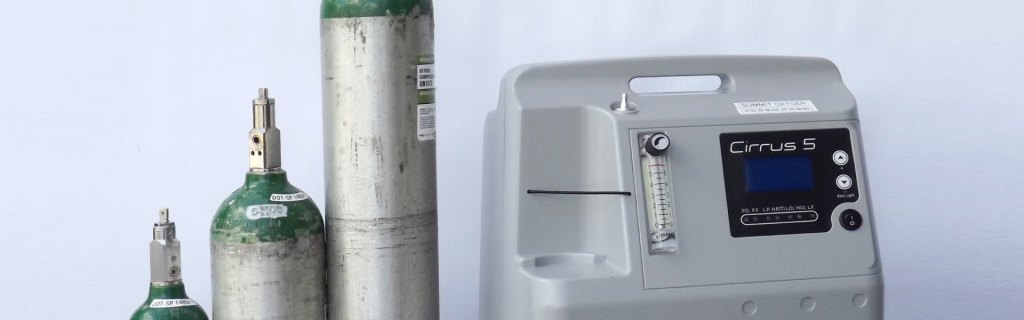
Somehow I never pictured myself with oxygen equipment. For most of my life I have felt strong, healthy and very self-sufficient. That was how I saw myself as I traveled the globe, collecting sometimes difficult but important life experiences and M.A. degrees.

Life certainly has an amazing way of surprising us!

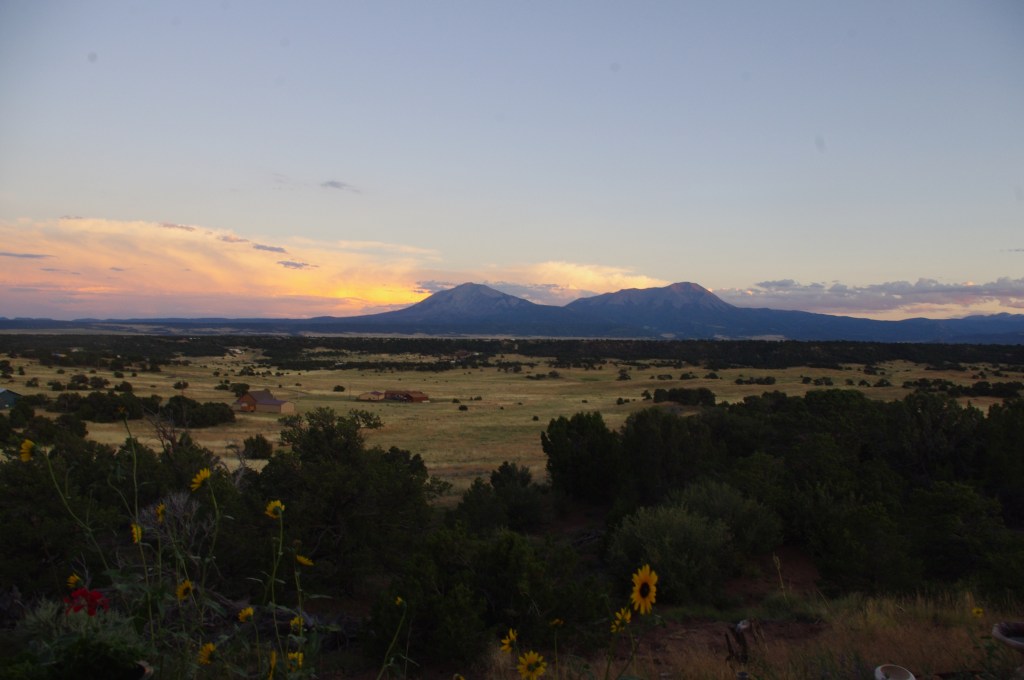
The view from our new solar home!

Ever since I moved down to southern Colorado in 2014 and then up to seven thousand feet in 2015, breathing has been a struggle, leading to many doctor’s appointments, cat scans and even a recent lung biopsy. No, I don’t have cancer, just damaged lungs from decades of bronchitis and bad air. What a great thing to find out as we settled into our forever home near the Sangre de Cristo Mountains.

I fought hard for a couple of years, not accepting that I needed oxygen full-time to live a normal life. I thought I would eventually adjust to our thin air, using all of my inborn stubbornness. If you know me, you know how stubborn I can be! Accepting reality has never been my forte. But finally, twenty tests and a sleep study later, I have resigned to my new reality. I will probably be on oxygen for the rest of my life.

Acceptance releases everything to be what it already is!

Some say just move to a lower elevation. My answer is a resounding NO! Living away from cities, listening to the marvelous natural silence and looking at the mountains constantly has changed me completely in ways impossible to describe to others. I feel so content, safe and grateful here in spite of my breathing struggles.

I know what’s happening in the “world” but I can also completely ignore it here, close to nature and what matters most to me…