What’s growing in my southern Colorado Foothills Garden?

Walker’s Low Catmint does great here, and so far no rodents have eaten it!

I have been establishing a rock flower garden with both native plants and local varieties for the past few years. I don’t dare raise vegetables and fruit here, mostly because of the extreme winds we get sitting here on the side of a ridge at 7,000 feet. It is not unusual for us to receive westerly winds over 60 mph. But in the summer the winds usually calm down and we are left with long, lovely warm days.

Rocky Mountain Penstemon around our birdbath, and BTW the birds really do bath in there!

I have had great luck also with Rocky Mountain Penstemon and Knautia Red Knight. They are both just about to bloom in spite of some very cool weather this spring. Last year the deer ate some of the blooms off so this year I will be patrolling the area!

A couple different types of Gallardia and Yarrow with some Lavender of course!

I’m trying out a few different colors and types of yarrow this spring. I have heard so many different things about the animals only liking one color of flower, so now I have yellow, red, and pink coming up, a veritable smorgasbord of deer food! I should also mention Blue Mist Spirea. It’s a small bush that seems to love it here. It’s a woody plant so no deer nibbles there. I heard a new theory recently, that animals don’t like to eat plants that give off a strong odor like herbs. Have you found this to be true?

This spring I went out and realized I had almost all purple flowers, so I’m making an effort to add new colors. I added a beautiful red Sunrose, some red Jupiter’s Beard, some cinquefoil and other yellow varieties. I’ll let you know how they do…

Finally, I added a new solar water fountain to my garden. What a great idea to let the sun keep it running, but you do have to add water everyday. We are amazed at how sensitive it is! The second you come between the sensor and the sun the pump stops.

We see everything from the largest raven to the tiniest hummingbird coming by everyday. We feed the birds and they do come!

In the summer of 2014, Mike and I sold our nice house in Fort Collins to move temporarily into an old miner’s home in Walsenburg, while constructing a passive solar home near the top of Navajo Ranch Estates west of Walsenburg Colorado. To learn more about downsizing to a tiny town and then living in the Colorado countryside, consider reading my book: A Memoir of Retirement: From Suburbia to Solar in Southern Colorado available from Amazon or directly from me at: MidlifeCrisisQueen@gmail.com
After a lifetime of living in cities, how has country life changed me and my interests?

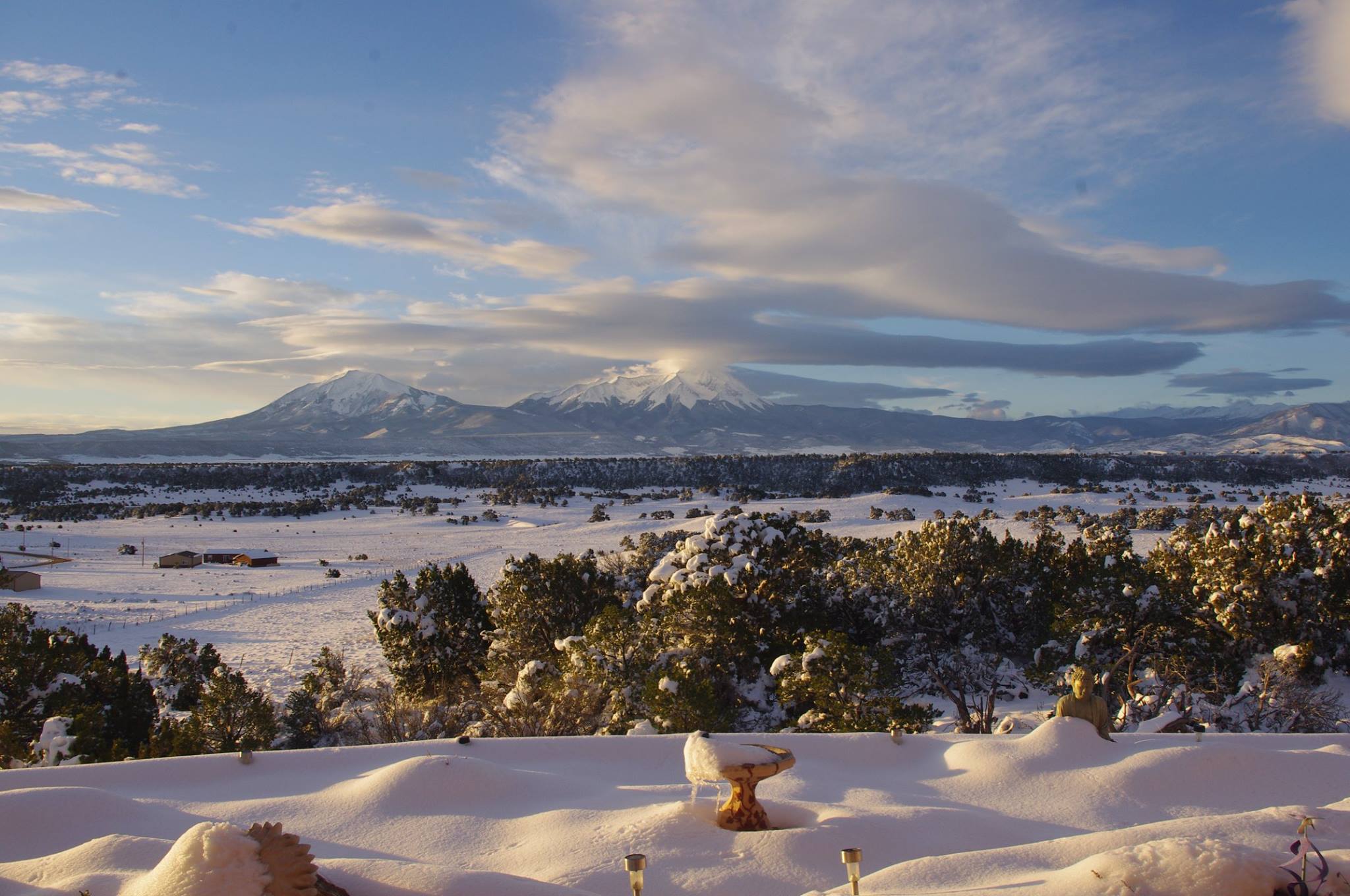
The winter view from our south-facing windows

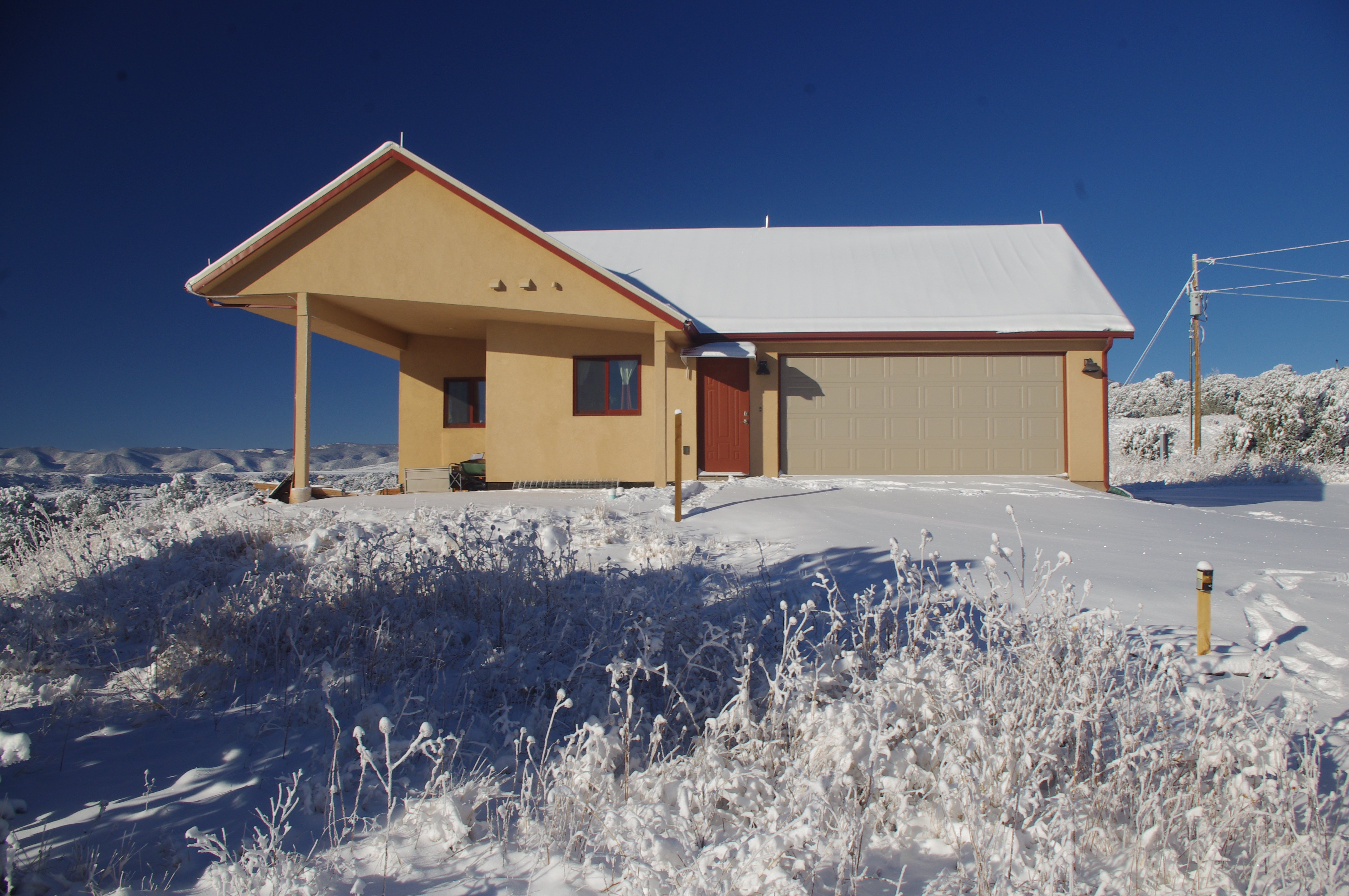
The changes are so gradual that at first you don’t notice them. After we completed our passive solar home in 2015, it took months for us to truly relax. While it was being built it felt more like the workmen owned it instead of us! Then, after we moved in, it felt like an expensive foothills retreat. I kept waiting for the manager to arrive and kick us out. But it did finally get finished, and then we rested.

Construction in mid-winter 2014-15

I would say it took at least a year to totally accept that this was our new home. It didn’t feel like anywhere I had ever lived before. The lack of neighbors and the absolute silence took my breathe away. When we first started building I felt like we lived so far out in the country, but after a year or so, it all felt so normal to not be around others.

The Final Product!

How did this new lifestyle change me over the next few years? I slowly learned what true relaxation is all about. I noticed that I stopped feeling so fearful all the time, a feeling I hadn’t even noticed before. The calm and quiet made me realize that our bodies feel the need to be ever vigilant in cities. All of that traffic, noise, over-crowding, and just being around other people constantly, causes us to be ever attentive to who knows what might happen next. Yes, we do still watch the news, which I’m not sure is good for us, but it feels millions of miles away!

I would say retiring to the countryside is particularly pleasant because we don’t need to worry about getting to work and all the stresses of being at work. Certainly, no one is go to fire us. Then the “problem” becomes:

How will I fill my time in a way that satisfies me?

Mike has been a master at solving this problem. He has been waiting his whole life to have the time to pursue various motorcycle and art projects. I have had to learn the fine art of doing nothing, after a lifetime of forced “productiveness.” Now I’m ready to pursue a few new avocations more seriously, like gardening and photography.

My commute to town

One of the best parts of our life now? After a lifetime of moving from place to place constantly, I now know that we will never move again. This is the end of the road for us. and what a lovely end it is!

If you would like to learn more about this challenging transition from my perspective, please consider purchasing my book: A Memoir of Retirement: From Suburbia to Solar in Southern Colorado.

BIRTHDAY JOY and how to get some!

Some might say celebrating turning 64 is crazy. What can be great about being 64? Number one, I made it this far without losing too many parts or major skills. There’s something to celebrate! Second, my Mom (who is 85!) is thrilled. And finally, we already have social security and Medicare is coming soon, hopefully before Trump kills off our Obamacare.

But in my case I have found a number of other things to celebrate. For one, the guy who has been making everybody miserable around here has finally sold his house and moved away! YES! And it’s almost springtime in the Rockies too! My tiny perennials are showing signs of new life after a cold, windy winter.

In the meantime, I feel complete gratitude for the sun coming back our way for another spring and summer. It doesn’t take much to make me happy, especially when I live in a solar home!

“What’s it like to move to the Colorado countryside to build solar?”

A Memoir of Retirement: From Suburbia to Solar in Southern Colorado by Laura Lee Carter, M.A. Librarianship, History and Transpersonal Counseling, is a book that attempts to answer that question…

In June 2014 we packed up or got rid of most of our worldly goods, sold our nice house in suburbia (Fort Collins) and took off to stay in an old miner’s cabin, while we built a direct-gain passive solar home with spectacular views of the Sangre de Cristos, west of Walsenburg, Colorado…

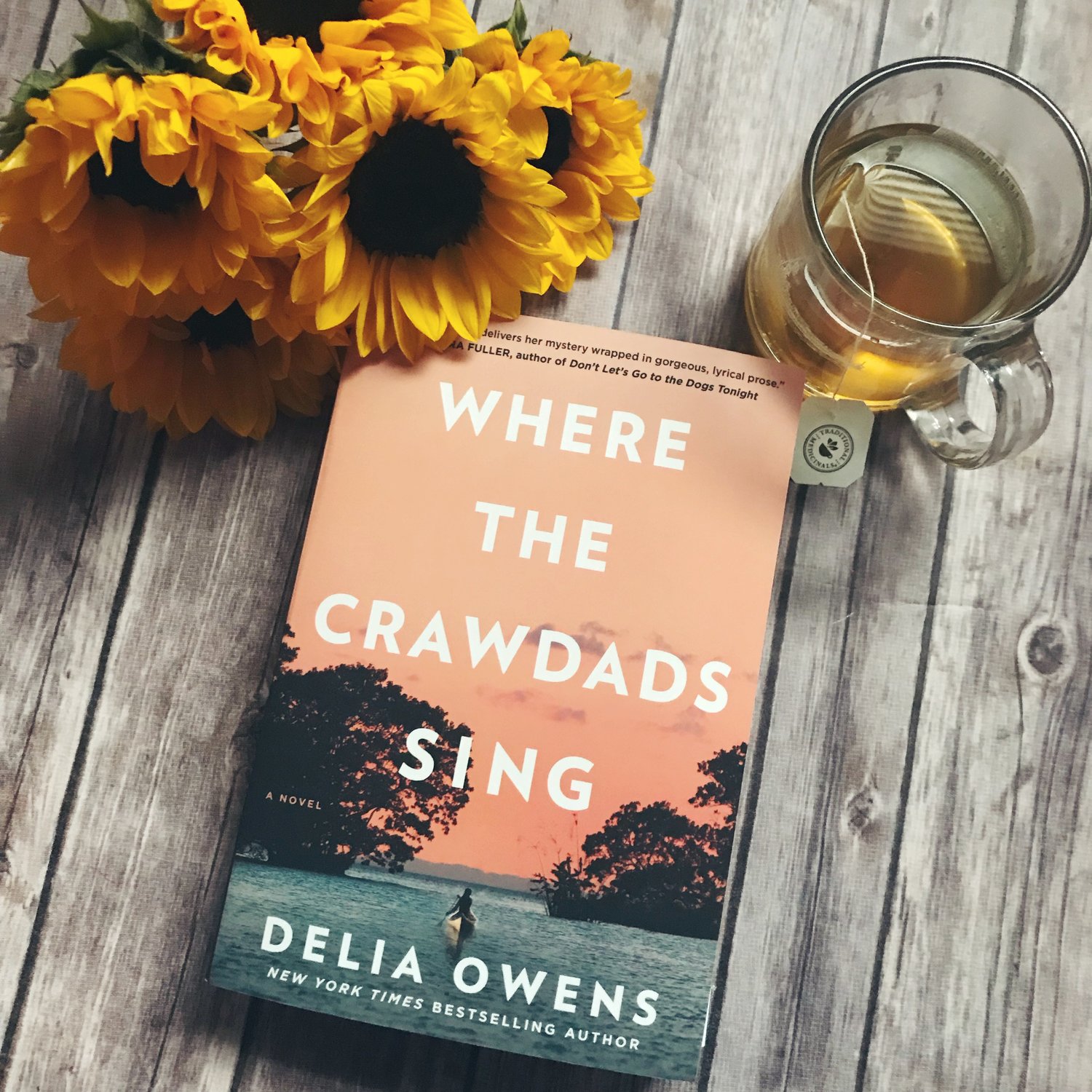
A Review of “Where the Crawdads Sing” from a Naturalist and Psychotherapist’s Perspective

I just finished reading this novel yesterday, and I would name it the best nature-focused novel I have ever read, this from a reviewer who idealized Jane Goodall as a teenager and wanted to grow up to study animal behavior just like her, in nature’s most beautiful and wild places. The author, Delia Owens, shows such sensitivity and intelligence in describing the natural setting as well as her main character, Kya.

where the crawdads sing

Kya was left to raise herself in the swamp country of South Carolina, to fill her days with survival skills as well as precise observations of the natural world around her. She loves her animal friends like the gulls. They are her only companions. We slowly see how Kya is uniquely qualified for this vocation as a natural loner who lives to be encapsulated in pure nature. As she grows and spends time with only a few other people, she learns to read and then she learns more and more about animal behavior.

Chimpanzee 2012 filmOne aspect of Kya’s life I found easy to relate to, was how she observed or read about animal behavior to inform her about human behavior. This comes through clearly as she describes the behavior of the lawyers during her trial. Ever since I saw the short nature documentary film Chimpanzee in 2012, released by Disneynature, I see most human behavior through that lens. Most human behavior can be understood by observing chimps in the wild, where they can truly be who they are. Males are naturally more aggressive, females protective of their young. Try watching a football game sometime through this lens and you will see that we are not so different as we think!

After decades of city living, I moved to a home in rural Colorado five years ago, where I find myself quite close to nature. Here I so enjoy the experience of observing changes in myself and how I see and feel the world around me. The best part is the complete silence here and with less reason for fear and daily vigilance, the natural world has unfolded before me, showing that we were made to live close to nature, not close together in cities. I have learned that city life can literally drive us mad. The perceived threats are everywhere in cities so we naturally keep our guard up at all times, not a healthy or natural way to exist.

IMGP7760

Now that I live out in the country, I feel like I have finally begun to live in harmony with each sunrise and sunset. Now I notice the birds’ songs as spring arrives, free from tension and anxiety, a feeling I have never felt before. That often unconscious and yet ever present stress felt in cities is simply gone.

How we steal the bright side from ourselves everyday: Try some cognitive reframing

reframing your life

The most fortunate are those who have a wonderful capacity to appreciate again and again, freshly and naively, the basic goods of life, with awe, pleasure, wonder and even ecstasy. — ABRAHAM MASLOW

Although I learned this psychological tool decades ago, I am always re-learning its usefulness in my own life. What is cognitive reframing? Here’s a definition from an article by social worker Amy Morin:

“Reframing is a technique used in therapy to help create a different way of looking at a situation, person, or relationship by changing its meaning. Also referred to as cognitive reframing, it’s a strategy therapists often use to help clients look at situations from a slightly different perspective.”

I have found that choosing a “different perspective” can also be the opposite of what I automatically go to in my own mind.

The point is that we can and do choose how we see ourselves and our lives everyday. 

If we were raised with a critical or negative view of ourselves and how the world works, the way we will see our lives may be destined to be critical or negative, but that is not the only way to see ourselves. That is not the only reality behind our circumstances.

Here is an example from my own life:

In my present life I may tend to focus on all of the difficult challenges Mike and I have faced since we decided that we needed to leave Fort Collins behind for many good reasons. I may choose to focus on how much money we left on the table by selling our Fort Collins home before prices went way up up there, how expensive and stressful it was to build down here in a rural area, etc, making me critical of our past decisions. Or, I may choose to see exactly how fortunate I have been in spite of many tough misfortunes in the past few decades; to be here now, retired comfortably and happily, and most importantly together!

In addition there are the greater misfortunes of Mike’s horrible experience with CFS for decades, my inability to find another job in libraries at age 49, my traumatic head injury at age 53, and many more difficulties that just come up as we age. Considering all of these factors, we are more than fortunate. How can we be anything but filled with GRATITUDE that we made it to this soft place to fall in this beautiful place?

That is how reframing works, and it can be used in all parts of your life on a daily basis…

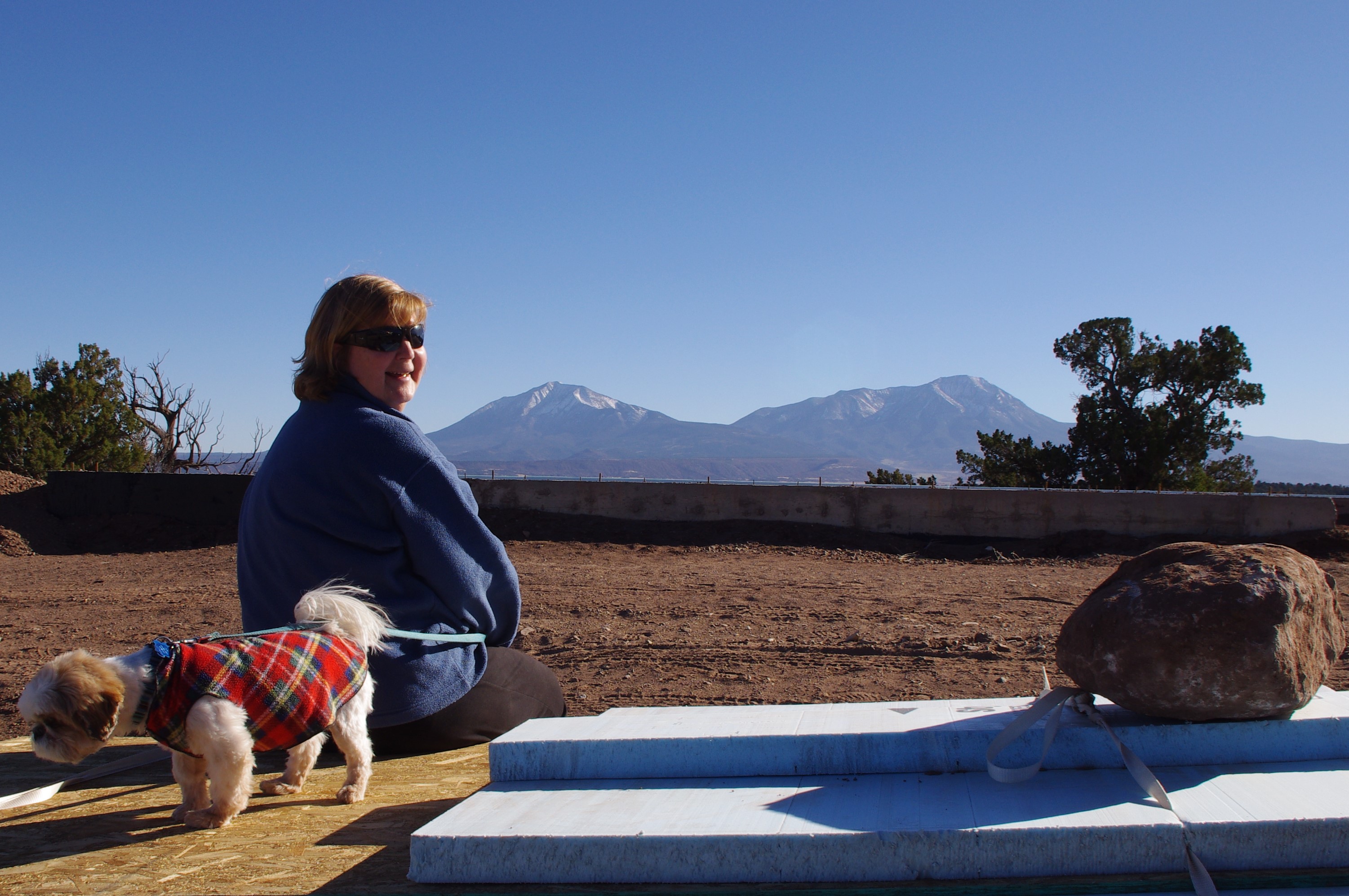
laura and rasta on insulation 2014 (2)

leading to overwhelming feelings of gratitude, a feeling we could all use more of!

Colorado Rocky Mountain High!