Is early retirement on your to do list?

They had a thought-provoking lead story on CBS Sunday Morning this week: “I quit! The joys of leaving your job for good” There they said more than half of Americans dream of saying, “Take this job and shove it!” One statement that was made was the realization by so many workers that we are all expendable, so why offer up our loyalty to the place where we work? I learned the hard way how that works in my last position as an academic librarian! But before you quit your job, here are some things to think about. The fantasy of quitting before normal retirement age should include:

  • Don’t have kids
  • Buy a small house or condo
  • No big, expensive vacations or fancy lifestyles
  • The ability to ignore all commercials!

I especially enjoyed a statement by a surgeon who quit her job in her 50s to pursue her love of art. I related to her best. The interviewer ask her how she felt when she left her job for the last time. She said, “They don’t control me anymore!” She had been saving half of her income for years to accomplish her goals. Her mother’s response was even more interesting, reflecting major generational differences. Instead of congratulating her, her mother was embarrassed and told her friends she had to quit because she was sick. The previous generation generally believes that winners don’t quit. I found this true of my parents too. They couldn’t believe we would be able to pull this off.

Mike and I were relieved of the tough decision to quit our last jobs in our 50s. Mike’s job in solar engineering got sent to China and I was fired by Regis University in Denver. I was devastated for less than a year, until I met Mike through my own dating service. We joined forced, determined to prove that those assholes weren’t going to get the best of us! Luckily we had checked all of the boxes above and saved like crazy starting in our early 20s, so we have been able to convert the lack of jobs into our own version of success. Moving to a beautiful, but less expensive area and building a direct gain solar home also helped a lot!
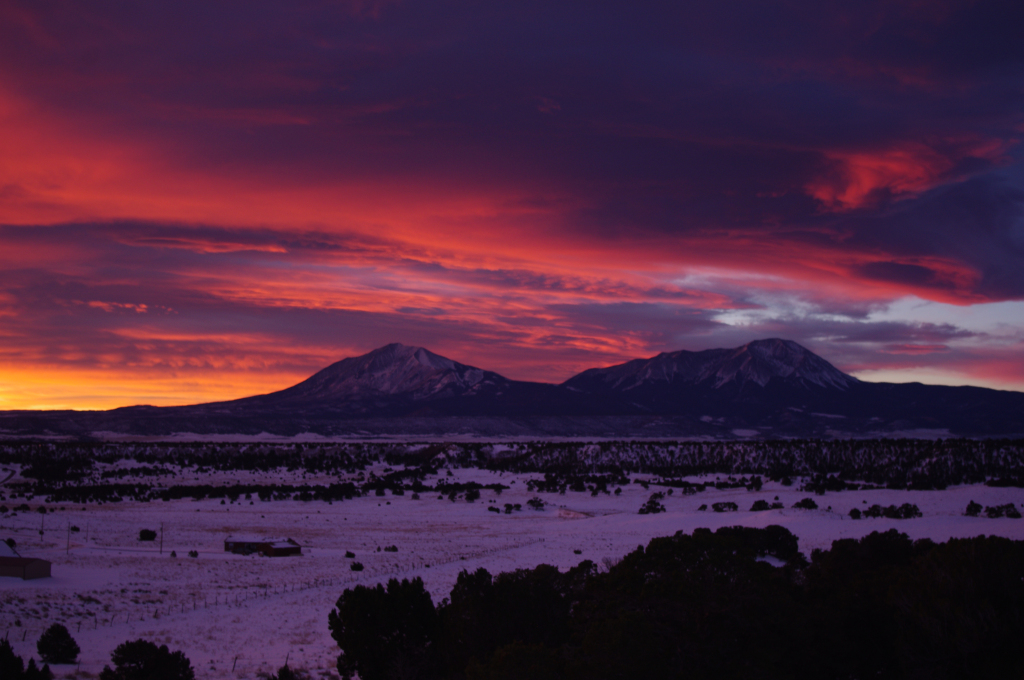
Our view in retirement

We completely agree with the guy in the CBS story who followed his gut and his dreams and said, “I would never go back.” In retrospect, we wouldn’t change a thing either…
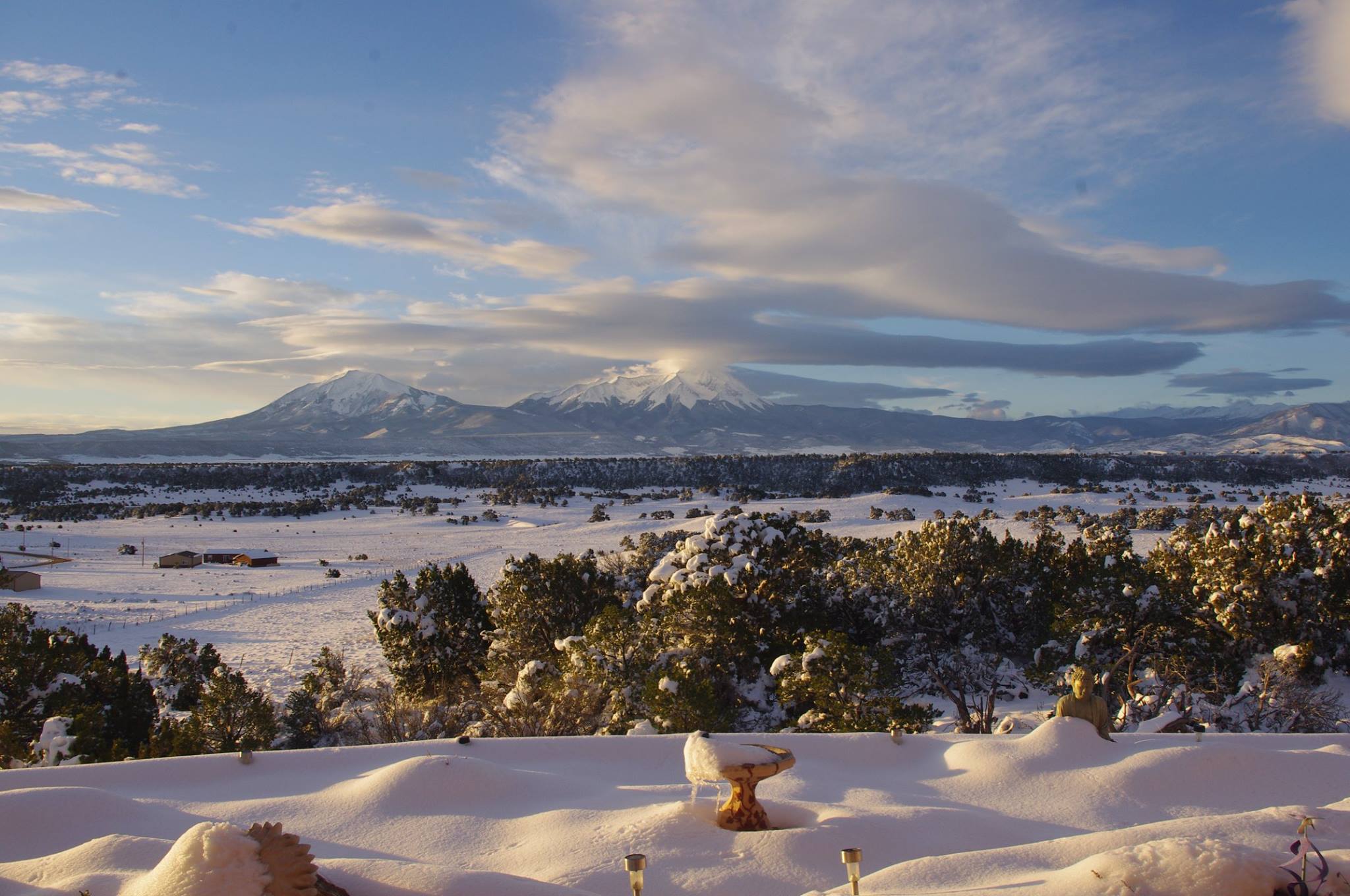
After a lifetime of living in cities, how has country life changed me and my interests?

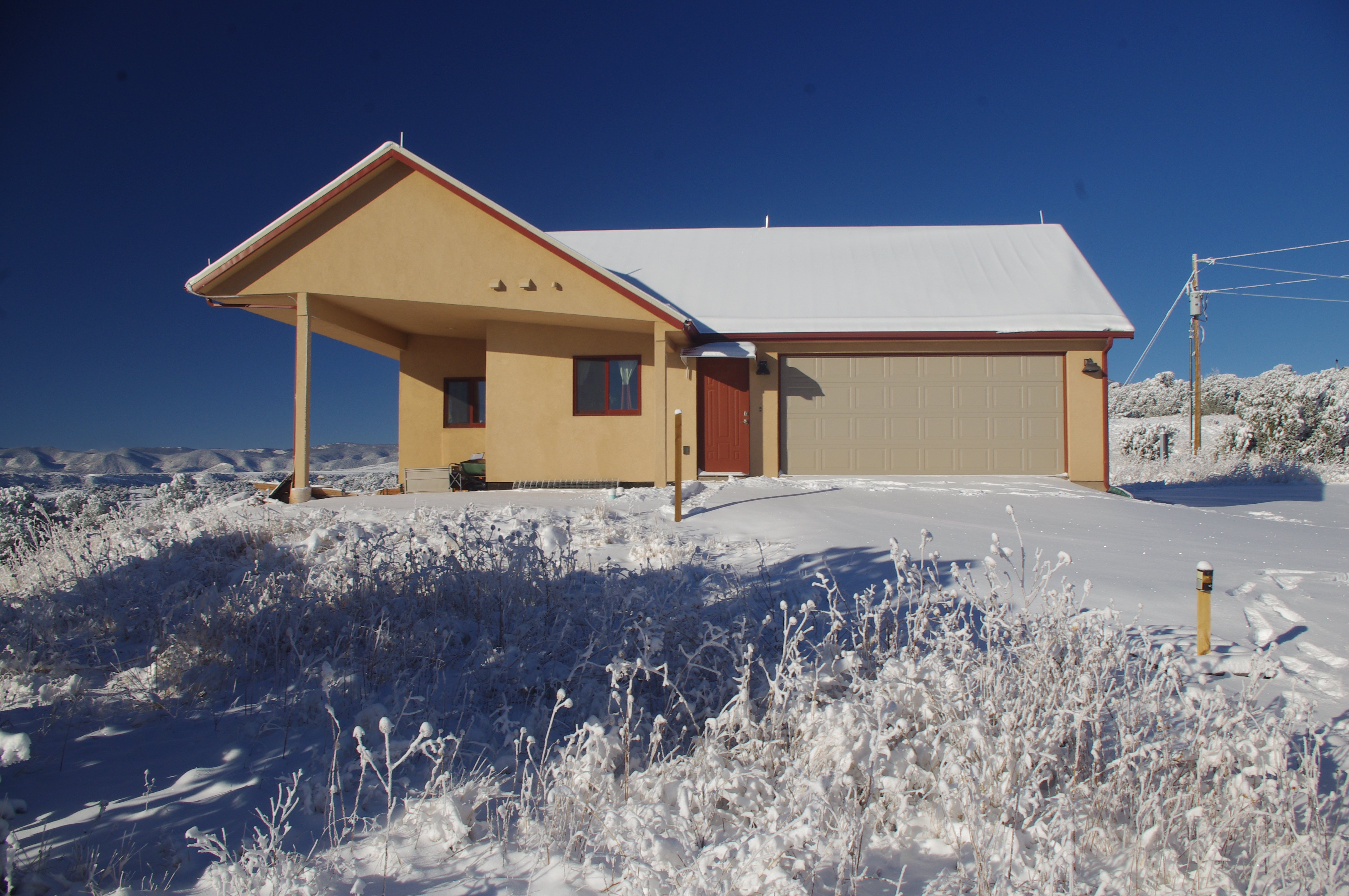
The winter view from our south-facing windows

The changes are so gradual that at first you don’t notice them. After we completed our passive solar home in 2015, it took months for us to truly relax. While it was being built it felt more like the workmen owned it instead of us! Then, after we moved in, it felt like an expensive foothills retreat. I kept waiting for the manager to arrive and kick us out. But it did finally get finished, and then we rested.

Construction in mid-winter 2014-15

I would say it took at least a year to totally accept that this was our new home. It didn’t feel like anywhere I had ever lived before. The lack of neighbors and the absolute silence took my breathe away. When we first started building I felt like we lived so far out in the country, but after a year or so, it all felt so normal to not be around others.

The Final Product!

How did this new lifestyle change me over the next few years? I slowly learned what true relaxation is all about. I noticed that I stopped feeling so fearful all the time, a feeling I hadn’t even noticed before. The calm and quiet made me realize that our bodies feel the need to be ever vigilant in cities. All of that traffic, noise, over-crowding, and just being around other people constantly, causes us to be ever attentive to who knows what might happen next. Yes, we do still watch the news, which I’m not sure is good for us, but it feels millions of miles away!

I would say retiring to the countryside is particularly pleasant because we don’t need to worry about getting to work and all the stresses of being at work. Certainly, no one is go to fire us. Then the “problem” becomes:

How will I fill my time in a way that satisfies me?

Mike has been a master at solving this problem. He has been waiting his whole life to have the time to pursue various motorcycle and art projects. I have had to learn the fine art of doing nothing, after a lifetime of forced “productiveness.” Now I’m ready to pursue a few new avocations more seriously, like gardening and photography.

My commute to town

One of the best parts of our life now? After a lifetime of moving from place to place constantly, I now know that we will never move again. This is the end of the road for us. and what a lovely end it is!

If you would like to learn more about this challenging transition from my perspective, please consider purchasing my book: A Memoir of Retirement: From Suburbia to Solar in Southern Colorado.

BIRTHDAY JOY and how to get some!

Some might say celebrating turning 64 is crazy. What can be great about being 64? Number one, I made it this far without losing too many parts or major skills. There’s something to celebrate! Second, my Mom (who is 85!) is thrilled. And finally, we already have social security and Medicare is coming soon, hopefully before Trump kills off our Obamacare.

But in my case I have found a number of other things to celebrate. For one, the guy who has been making everybody miserable around here has finally sold his house and moved away! YES! And it’s almost springtime in the Rockies too! My tiny perennials are showing signs of new life after a cold, windy winter.

In the meantime, I feel complete gratitude for the sun coming back our way for another spring and summer. It doesn’t take much to make me happy, especially when I live in a solar home!

“What’s it like to move to the Colorado countryside to build solar?”

A Memoir of Retirement: From Suburbia to Solar in Southern Colorado by Laura Lee Carter, M.A. Librarianship, History and Transpersonal Counseling, is a book that attempts to answer that question…

In June 2014 we packed up or got rid of most of our worldly goods, sold our nice house in suburbia (Fort Collins) and took off to stay in an old miner’s cabin, while we built a direct-gain passive solar home with spectacular views of the Sangre de Cristos, west of Walsenburg, Colorado…

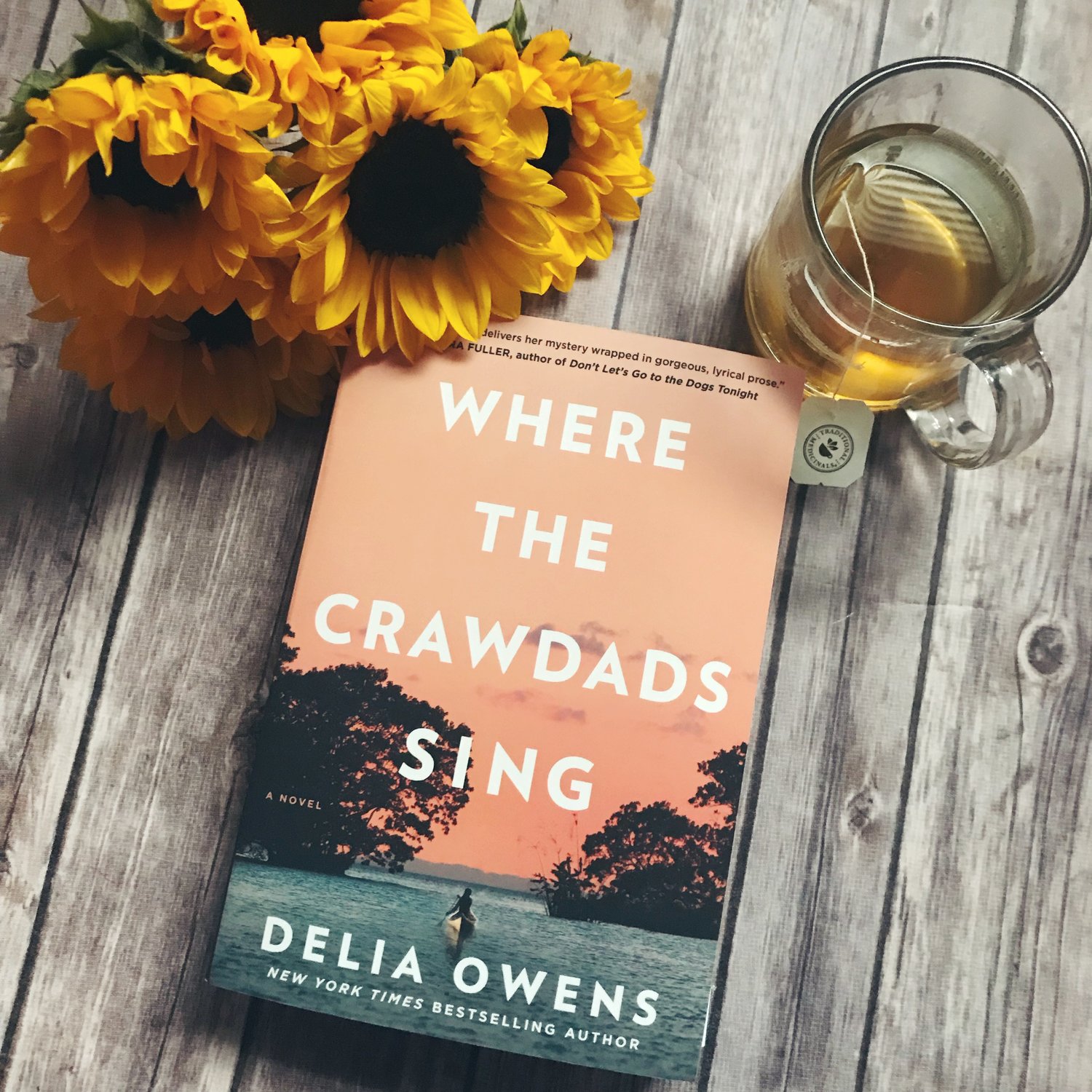
A Review of “Where the Crawdads Sing” from a Naturalist and Psychotherapist’s Perspective

I just finished reading this novel yesterday, and I would name it the best nature-focused novel I have ever read, this from a reviewer who idealized Jane Goodall as a teenager and wanted to grow up to study animal behavior just like her, in nature’s most beautiful and wild places. The author, Delia Owens, shows such sensitivity and intelligence in describing the natural setting as well as her main character, Kya.

where the crawdads sing

Kya was left to raise herself in the swamp country of South Carolina, to fill her days with survival skills as well as precise observations of the natural world around her. She loves her animal friends like the gulls. They are her only companions. We slowly see how Kya is uniquely qualified for this vocation as a natural loner who lives to be encapsulated in pure nature. As she grows and spends time with only a few other people, she learns to read and then she learns more and more about animal behavior.

Chimpanzee 2012 filmOne aspect of Kya’s life I found easy to relate to, was how she observed or read about animal behavior to inform her about human behavior. This comes through clearly as she describes the behavior of the lawyers during her trial. Ever since I saw the short nature documentary film Chimpanzee in 2012, released by Disneynature, I see most human behavior through that lens. Most human behavior can be understood by observing chimps in the wild, where they can truly be who they are. Males are naturally more aggressive, females protective of their young. Try watching a football game sometime through this lens and you will see that we are not so different as we think!

After decades of city living, I moved to a home in rural Colorado five years ago, where I find myself quite close to nature. Here I so enjoy the experience of observing changes in myself and how I see and feel the world around me. The best part is the complete silence here and with less reason for fear and daily vigilance, the natural world has unfolded before me, showing that we were made to live close to nature, not close together in cities. I have learned that city life can literally drive us mad. The perceived threats are everywhere in cities so we naturally keep our guard up at all times, not a healthy or natural way to exist.

IMGP7760

Now that I live out in the country, I feel like I have finally begun to live in harmony with each sunrise and sunset. Now I notice the birds’ songs as spring arrives, free from tension and anxiety, a feeling I have never felt before. That often unconscious and yet ever present stress felt in cities is simply gone.

How we steal the bright side from ourselves everyday: Try some cognitive reframing

reframing your life

The most fortunate are those who have a wonderful capacity to appreciate again and again, freshly and naively, the basic goods of life, with awe, pleasure, wonder and even ecstasy. — ABRAHAM MASLOW

Although I learned this psychological tool decades ago, I am always re-learning its usefulness in my own life. What is cognitive reframing? Here’s a definition from an article by social worker Amy Morin:

“Reframing is a technique used in therapy to help create a different way of looking at a situation, person, or relationship by changing its meaning. Also referred to as cognitive reframing, it’s a strategy therapists often use to help clients look at situations from a slightly different perspective.”

I have found that choosing a “different perspective” can also be the opposite of what I automatically go to in my own mind.

The point is that we can and do choose how we see ourselves and our lives everyday. 

If we were raised with a critical or negative view of ourselves and how the world works, the way we will see our lives may be destined to be critical or negative, but that is not the only way to see ourselves. That is not the only reality behind our circumstances.

Here is an example from my own life:

In my present life I may tend to focus on all of the difficult challenges Mike and I have faced since we decided that we needed to leave Fort Collins behind for many good reasons. I may choose to focus on how much money we left on the table by selling our Fort Collins home before prices went way up up there, how expensive and stressful it was to build down here in a rural area, etc, making me critical of our past decisions. Or, I may choose to see exactly how fortunate I have been in spite of many tough misfortunes in the past few decades; to be here now, retired comfortably and happily, and most importantly together!

In addition there are the greater misfortunes of Mike’s horrible experience with CFS for decades, my inability to find another job in libraries at age 49, my traumatic head injury at age 53, and many more difficulties that just come up as we age. Considering all of these factors, we are more than fortunate. How can we be anything but filled with GRATITUDE that we made it to this soft place to fall in this beautiful place?

That is how reframing works, and it can be used in all parts of your life on a daily basis…

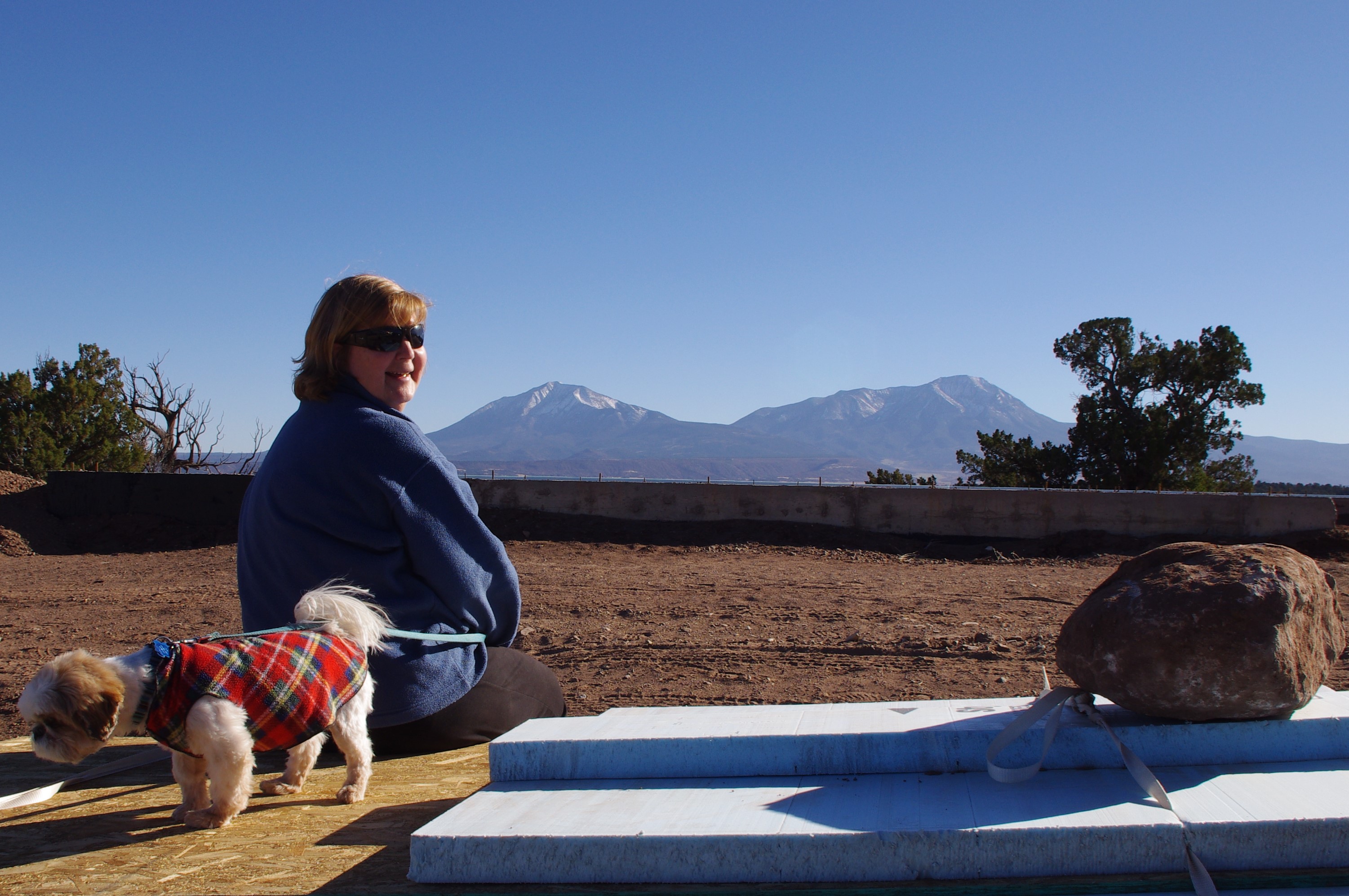
laura and rasta on insulation 2014 (2)

leading to overwhelming feelings of gratitude, a feeling we could all use more of!

Colorado Rocky Mountain High!

Do you have four really good friends?

Laura standing at build site before slab 2014

The topic of the lead story on today’s CBS Sunday Morning, “Going It Alone”, is one of my favorite life-long lines of research: loneliness. There we meet a man who, at age 27, chose to not speak to a single human being for 17 years! He eventually concluded, at age 72, that if you have four really good friends, who understand and appreciate your authentic self, you are truly lucky.

According to a recent Cigna study, loneliness is at epidemic levels in our country.

Their 2018 survey of more than 20,000 U.S. adults revealed some alarming findings:

  • Nearly half of Americans report sometimes or always feeling alone (46 percent) or left out (47 percent).
  • One in four Americans (27 percent) rarely or never feel as though there are people who really understand them.
  • Two in five Americans sometimes or always feel that their relationships are not meaningful (43 percent) and that they are isolated from others (43 percent).
  • One in five people report they rarely or never feel close to people (20 percent) or feel like there are people they can talk to (18 percent).
  • Americans who live with others are less likely to be lonely (average loneliness score of 43.5) compared to those who live alone (46.4). However, this does not apply to single parents/guardians (average loneliness score of 48.2) – even though they live with children, they are more likely to be lonely.
  • Only around half of Americans (53 percent) have meaningful in-person social interactions, such as having an extended conversation with a friend or spending quality time with family, on a daily basis.
  • Generation Z (adults ages 18-22) is the loneliest generation and claims to be in worse health than older generations.

How much do YOU need quality connections?

This all brings back my own gradual transition in my 30s and 40s from a true loner, who didn’t trust anyone completely, to a happily married woman in my 60s. After a traumatic betrayal in my 20s I also gave up on people. I did allow a few acquaintances in after counseling in my early 30s, but trust was not my best quality.

My first marriage was a lonely tangle of struggle, criticism and disempowerment. I gradually realized that I would probably be spending the rest of my life alone unless something changed. What changed was a divorce in 2001 and then job/career loss in 2004. Living on severance with only two good friends I saw maybe once a month plus my dogs, I faced loneliness most of the time, providing ample opportunity to consider my options for my future.

At age 49 I decided loneliness was my worst problem and I did not want to live the rest of my life if it was going to be this lonely indefinitely.

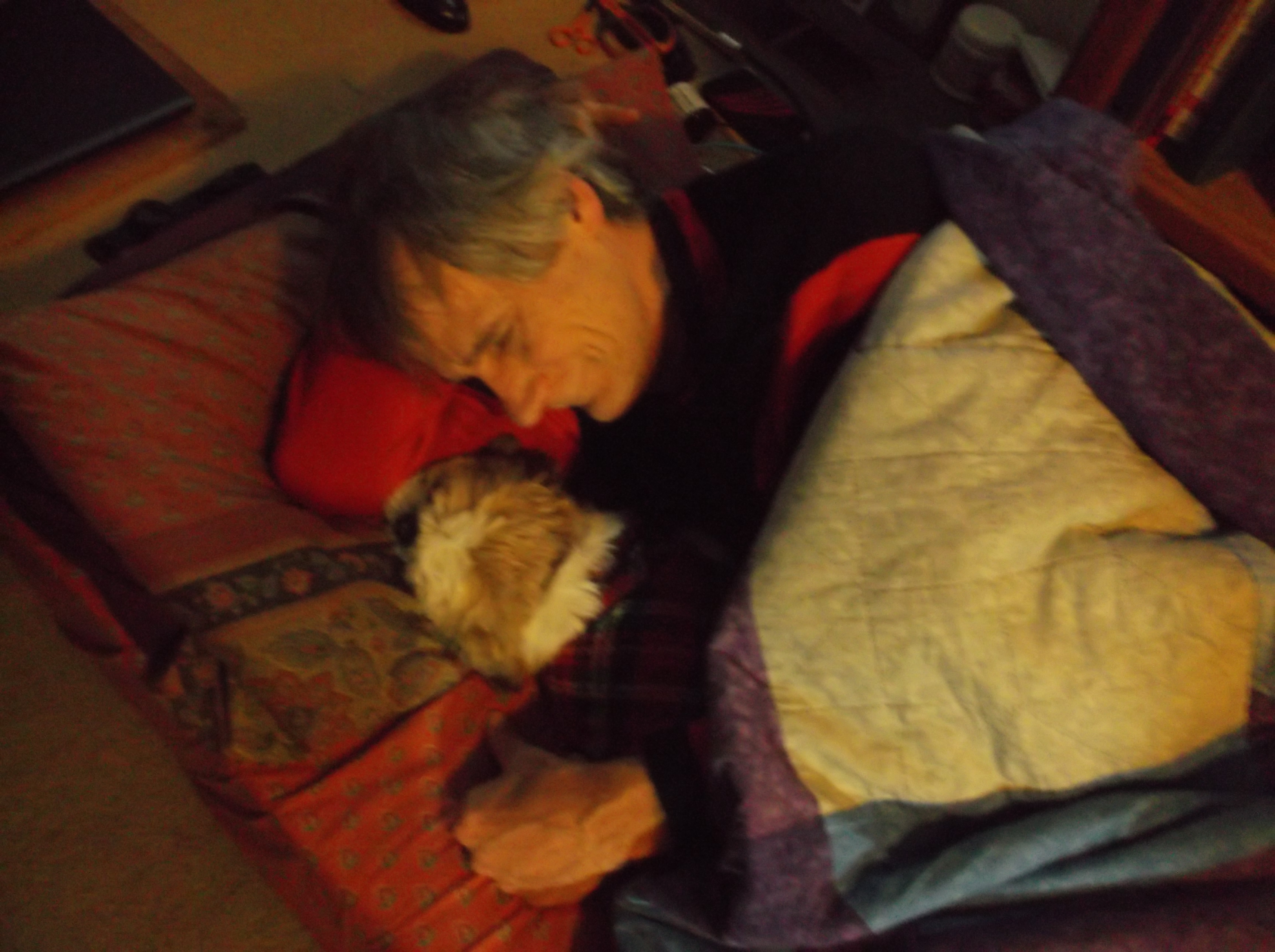
Mike snuggling with Rasta 2013

My solution? Since I could not find another job in libraries, I started my own offline dating service where I interviewed local midlifers who were also looking for love after widowhood or divorce. In that way I studied our group problem and decided it wasn’t just me. Then when I found many more cool single women looking for partners, I joined Match.com to attract more cool men for my women. Yep, the first man I met this way was my future husband and partner in crime, Mike. We have been joyfully married fourteen years now.

How to Believe in Love Again! blog sizeMike supported me in a way I have never experienced before, with unconditional loyalty, affection and appreciation. He offered full support to my dream of becoming a professional writer at age 50, back in 2005. This I did with enthusiasm, first as a freelance writer, then as a blogger and finally as an author. In fact, his support led to my second book: How To Believe In Love Again: Opening to Forgiveness, Trust, and Your Own Inner Wisdom, the story of how I transitioned from a sad, miserable loner to a trusting, loving person who admits to a need for support from others. 

Since then I am rarely lonely, but moving to this rural area in 2014 has been a challenge in that department. I so rarely meet someone here I can truly relate to, partially because of differences in upbringing and education levels. In the past I made friends at work and in my exercise classes. I still miss a few good friends I made at the Senior Center in Fort Collins.

I’m now retired so I have tried to make friends in my La Veta yoga class, which I attended for a few years, but to no avail. I have also tried a few other groups like writing groups, support groups, etc. No friendships have emerged. Quality connections are hard for me to find in this environment, but I will continue my efforts. Afterall, I just need one or two more friends to have “four really good friends!”