The Legacy of American Lawns & “Lawn Nazis”

I got a few interesting responses to my last post about re-wilding areas destroyed by farming or other forms of human landscape “improvements.” The 4th episode of PBS “Human Footprint” this week caused me to think further about our American addiction to lawns and lawn care.
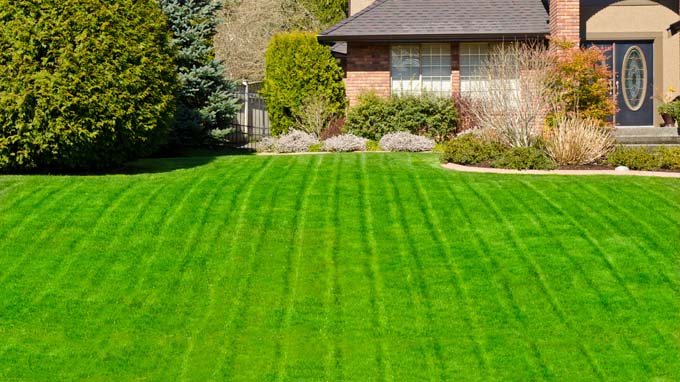
Did you know one 400 acre golf course uses 358,000 gallons of water every day? We have more than 40 million acres of turf in the United States that use over 80 millions pounds of fertilizer per year.

Grass is the most resource intensive plant in our country today.

In a country where we so highly value productivity, lawns are the ultimate in unproductive.

The story goes that we can apparently blame the Brits originally. The old idea of owning your own manor and “estate” added to our own brand of individualism in the USA caused many of us to want to own a home on maybe a quarter acre in suburbia. Our home was our castle, and the surrounding space was our territory to improve and maintain. Although some grasses have American-sounding names like Kentucky bluegrass, most of the turf-grass species we plant in the United States are native to Europe.

We also have a strong tradition from our earliest days of feeling like we had “too much land” (after we stole it from the native Americans). If we farmed it, or ranched it, or timbered it for five years than that land was ours. This set the precedent that we should not just sit on land, we should “improve it.” Every place humans inhabit is made artificial in some way, and in our country that usually involves lawns.

The Lawn is the Ultimate Male Status Symbol, showing how deeply grass is rooted in the American psyche.

Thinking about these American traditions reminded me of how proud my Grandpa Carter was of his small home and yard outside of Kansas City, Kansas. He took so much pride in keeping it perfect with his walking mower and lots of watering. And my own Dad the botanist, a lifelong advocate of leaving things natural, still worked hard to keep a nice lawn around his home.

The younger generations may not be so convinced that lawns are a good thing.

To quote that PBS special: “Grass is a signal. Just having it says that we are part of a community.”

And yet, as Nancy Hill pointed out after reading my last piece, those who don’t choose to maintain traditional yards in suburbia may be ostrasized by HOAs and other nasty neighbors. Covenants can be legally enforced. I had never before heard of the term “Lawn Nazis.” In a country that prides itself in offering “freedom of choice,” when it comes to the land around our own homes, we can be forbidden to plant native plants or go natural.

Rewilding, some positive nature news at last!

If you tire of hearing ever more negative news about how we humans continue to pollute and destroy the earth we depend on for life itself, try watching this five minute story from this week’s CBS Sunday Morning. Trust me, you will be glad you did!

Rewilding: Letting nature take over

Rewilding is a progressive approach to conservation. It’s about letting nature take care of itself, enabling natural processes to shape land and sea, repair damaged ecosystems and restore degraded landscapes. Through rewilding, wildlife’s natural rhythms create wilder, more biodiverse habitats.

By growing native, drought-tolerate plants here, we have encouraged the return of wildlife, birds, bees, etc.

This idea/story offered me a sign of relief, showing me that sometimes nature wins in a great win-win way for people too. This is what my late father was always talking about, letting nature take over, because she did a great job up until now! This is also what we have tried to do on our own three acres in southern Colorado. I just do not comprehend those who buy land in the country and begin mowing the crap out of it immediately. We hated “yard work” when we lived in suburbia, and guess what, all the birds and bees and other wildlife there also could not tolerate it. They need biodiversity to thrive. Rewilding is a form of ecological restoration aimed at increasing biodiversity and restoring natural processes to the land.

Why is it so hard for man to simply leave nature alone to take care of itself? Why are we so convinced that we need to “improve” it? We as a species must learn the answer to this question before we “improve” ourselves into complete extinction.

What is great about Spanish Peaks Living?

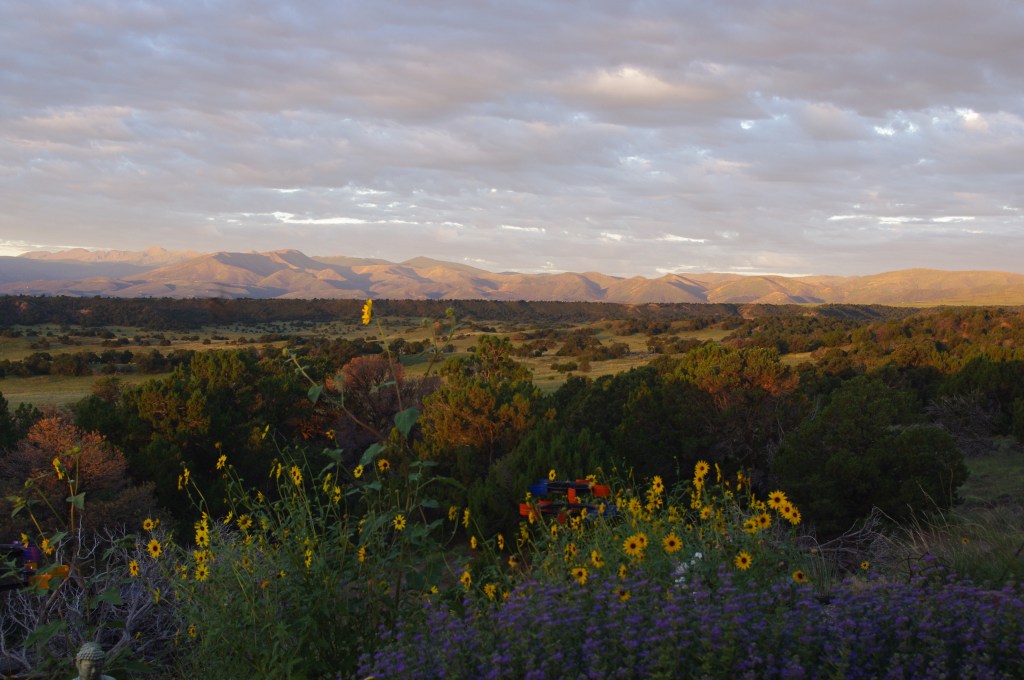
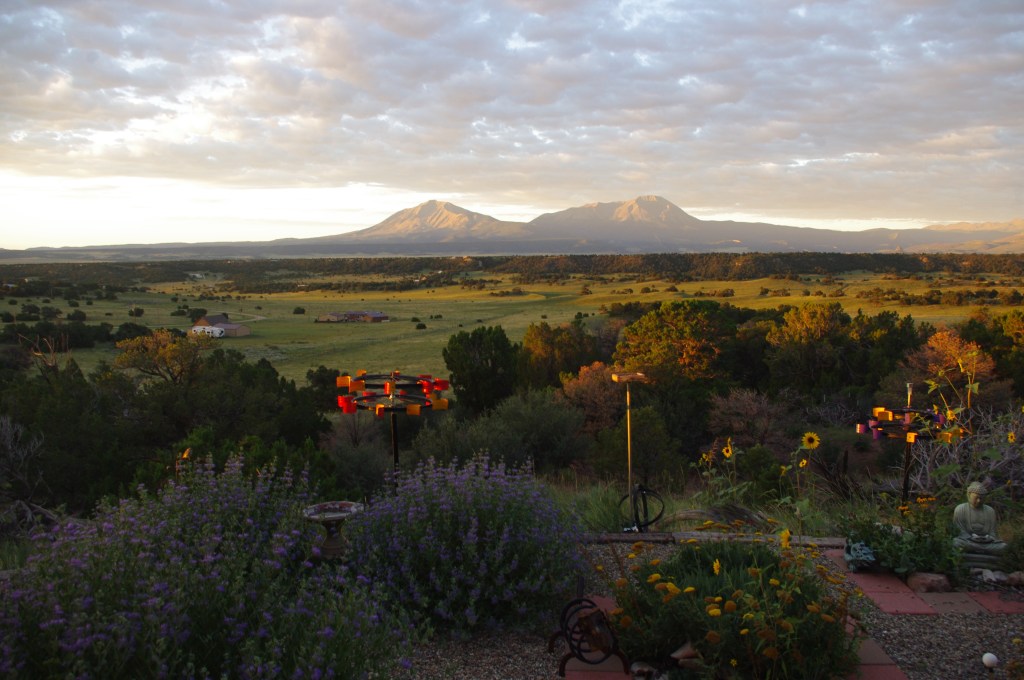
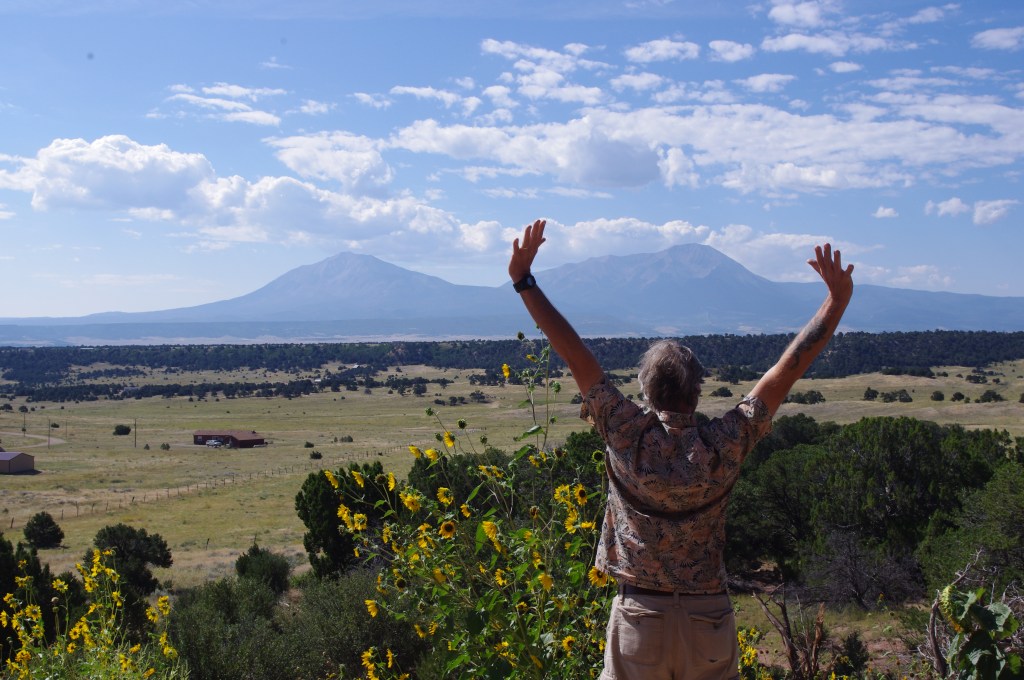
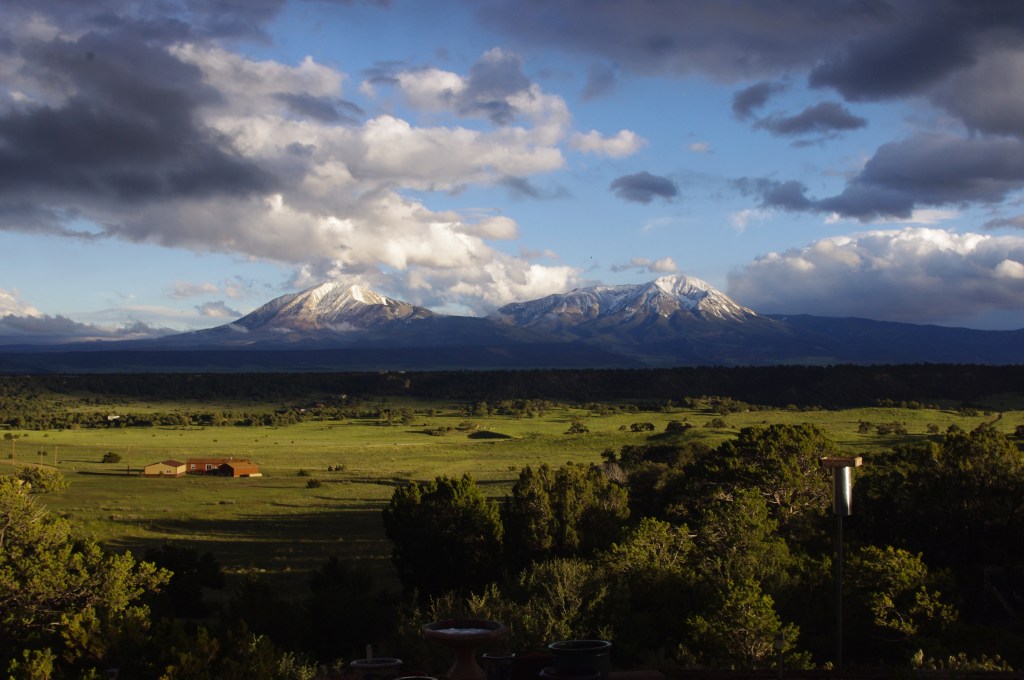
Nine years ago this month, Mike and I drove down from Fort Collins to choose a few acres in Navajo to buy. We didn’t know much about this area, only that we loved how it felt to our suburban souls. It took us another year to build our passive solar home facing the Spanish Peaks and the Sangre de Cristo Mountains with Mount Mestas to our west.

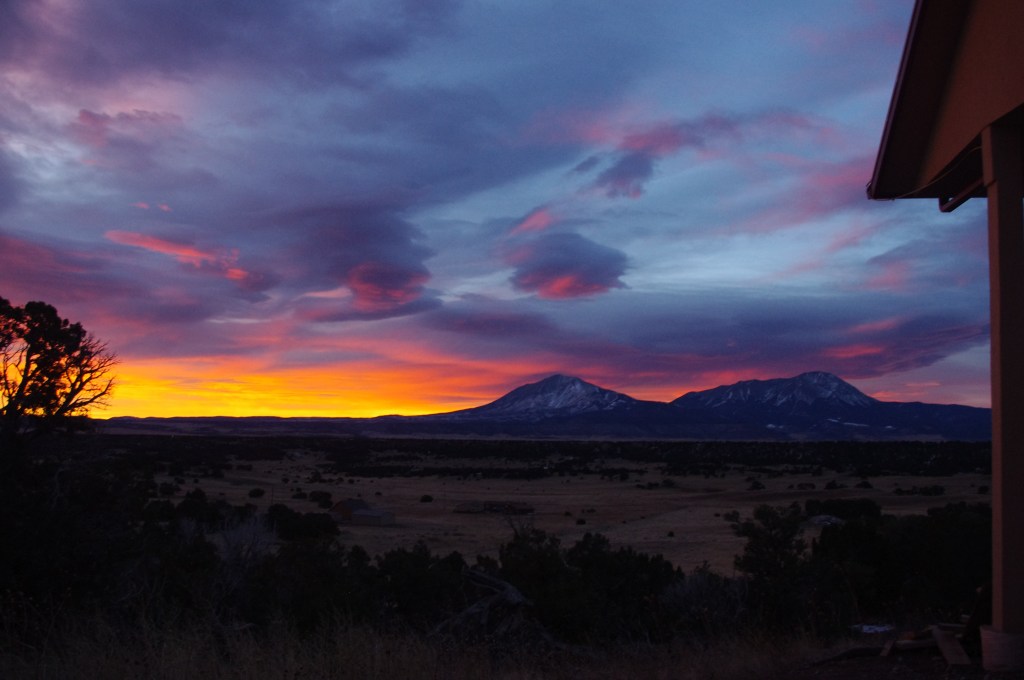
I was reminded again early this morning why I love living here. I woke up around 6:30 AM to see an unobstructed view of a bright red sunrise to our southeast. This is BIG SKY country to me, where the landscape and the silence are the main characters! Every time I go outside in the morning I stop and feel astounded by the silence. This is what the earth used to be like. Maybe a few bird sounds, but otherwise perfect silence…

Sure there are also unattractive features to this area, but the land is encouraging and haunting all at once, and the summers are glorious!

Our first summer here we had so much fun exploring the back roads and back stories, like this dilapidated adobe schoolhouse slowly sinking back into the earth west of here…

or taking the train up to Fir to hear the Nitty Gritty Dirt Band play in a big mountain meadow.

When I first met Mike he said he wasn’t moving again until he could look at something besides the house across the street.

We found this cartoon in a magazine and laughed together about it. Then we went in search of someplace with truly ‘spectacular views.’

We found those here and so much more…

The rewards are in the journey!

I only wish I would have known long before I did, that the more interesting life you lead, the more fun you will have remembering it in your 60s. To celebrate my birthday this year, I have decided to share with you a few of the crazy adventures I have had through the years. These are the things I enjoy thinking about today. Sometimes it feels a bit like reading someone else’s tales, but I’m not making any of this up!

Early in my time at Colorado College, a few of us decided to go backpacking in Canyonlands in southern Utah in August of 1973. BTW, it’s super hot and dry there in August! Showing further bad judgment, we decided to split up into three separate groups.

My friend Margie and I decided to follow a trail that led to Peek-a-boo Springs and near there we found a cave with some amazing artifacts in it! We camped there for a couple days and then headed back to meet up with the other two groups, but they never arrived. We decided to talk to the rangers who were quite concerned because of the heat and extreme lack of water at that time of year. We ended up flying over the entire Salt Creek Canyon in a helicopter searching for our friends. In the meantime, the rangers got confused and called my parents to report that I was lost in Canyonlands. It all ended up fine. The one friend ran into a rattlesnake and decided to turn around. The other two hiked the whole Salt Creek Canyon and came out the other end none too worse for wear.

Then there was the time a friend and I joined up with her boyfriend and another guy who said they were being paid to move a sailboat from the west end of Puerto Rico (Mayaguez) all the way to Tortola in the British Virgin Islands. For future reference, this is NOT a good plan. We were going against the wind the whole time and only made it as far as Ponce before we decided it was basically an impossible task. But three of us still wanted to see Tortola so we took a flight there for a week. We stayed on Cane Garden Bay and loved every minute of it! There were very few tourists because Hurricane Hugo had come through in September 1989, so we had the place to ourselves.

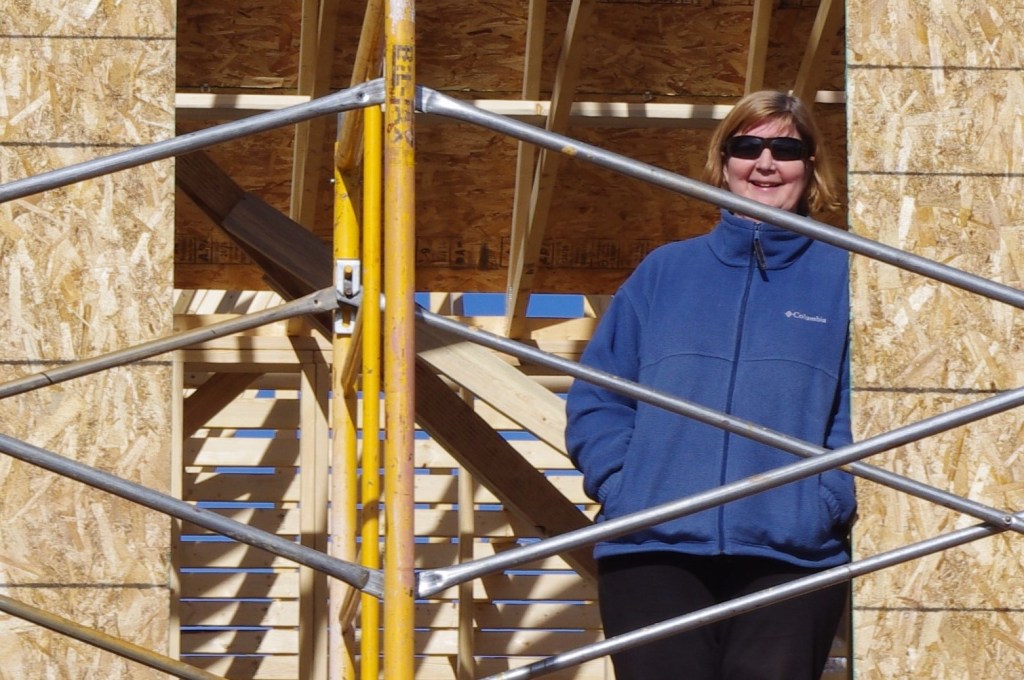
To tell you the truth, building this rural passive solar home in southern Colorado was also more of an adventure than either Mike or I were looking for. Being new here, we had no idea what we were up against, like only one building inspector for the entire county, and it just went on and on with an amazing number of major obstacles and delays. Sometimes it felt like a hopeless battle just finishing it, because our builder kept putting us off. Finally we dead-lined him with, “We’re not paying you until it’s finished.” and “We need to move out of our rental the end of July.” Finally something worked!

All in all I feel super lucky with how my life has gone. So many of the circumstances seemed like that old Chinese tale about deciding too soon that an apparent misfortune is in fact a blessing in disguise. I loved all of my river trips, backpacking trips, adventures abroad, various chance meetings and romantic liaisons, because they led me to this exact moment in this tremendously beautiful place with the love of my life. I am quite content with that.

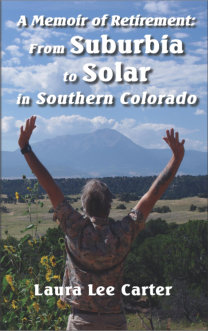
Shoot me an e-mail if you would like to learn more about our decision to move south and our experience with building a solar home west of Walsenburg. My book: A Memoir of Retirement: From Suburbia to Solar in Southern Colorado.

Contact me at: MidlifeCrisisQueen@gmail.com

Find A Healing Environment For Retirement

In my last post I wrote about healing relationships, relationships that truly saved my life. But I have not yet shared one of the most important transitions I have gone through in the past eight years. I hear so much these days about Boomers who are trying to find the best place to retire. Of course, that will be different for each of us, but for me, retiring as close to nature as possible has transformed me. And the irony is that I was not certain at all whether I wanted to come here in the first place.

Eight years ago at this time, Mike and I was crazy busy preparing to sell our beautiful home in the Fort Collins suburbs so we could build a passive solar home on three acres west of Walsenburg, Colorado. Mike was always convinced that this was his ideal retirement plan. I was not so sure. Still surprised that I would even be able to retire by age 60, our options still hadn’t struck me. Then, after we moved into a rundown old miner’s home in town while we built our new home 13 miles west of there, I became really worried. I could not figure out where I was for a while. You try moving from a big cosmopolitan city to a tired old town of less than 3,000 souls, then you tell me if you don’t feel a whole lot of culture shock.

Our first year down here was difficult. So many disappointments and worker slow downs in construction, not to mention health concerns. But we did prevail and moved into our brand new home a little over one year later…

Oh, did I mention the view of the Spanish Peaks and the Sangre de Cristo Range from our new home?

When we first moved in, nothing seemed real. I felt like I had moved into a fancy foothills resort and the management would be coming soon to kick us out. After living in cities and suburbia for most of my life, this felt a bit like make-believe. To finally live in a naturally warm, energy-saving home that we had designed specifically for our needs and up to our standards with a view like that? Wow! But the best was yet to come.

The escape from the frenetic energy of cities was the best! I don’t know that I can properly describe exactly how peaceful this place felt after living with all of that crowding and traffic my whole life. The silence was astounding! I loved to go out in the morning, sit down and just soak it all in; the sunrises, the bird songs, the trees, the mountains. How did I end up here?

In the years since, my love of this place has grown and grown along with my sky garden, dedicated to my brother. How was I ever so lucky? With many new health challenges including head injuries and the need for permanent supplemental oxygen, I still feel so content to watch the sunrise each morning and look out over that tremendous view, knowing that I have finally found the place I belong.

In June 2014 we packed up or got rid of most of our worldly goods, sold our home in Fort Collins, and took off for an ancient rental in Walsenburg, Colorado. It was then we named ourselves the “NEW Old Farts” because we were barely 60 years old. I have been sharing our retirement story here on this blog since October 2014; the year long passive solar construction wins and losses, the big move in and our gradual adjustment to life in rural Colorado. We have fallen in love with living in tune with the sun and seasons, waking up each day amazed to find ourselves in such a beautiful, quiet, natural place. Good luck choosing the perfect place to make your own retirement dreams come true!

Please contact me at MidlifeCrisisQueen@gmail.com to purchase copies of any of my books. Thanks!