“Writers & Lovers” by Lily King, a review

Reading a novel is so personal, rather like watching a movie. We all relate to the story in different ways, depending on the various parallels between ourselves, the author’s life and the main character. My new favorite author is Lily King. Her life, her stories and my own life experiences coalesce in many interesting ways.

I already told you about her novel “Euphoria” ten days ago. This week I was lucky enough to be the first one to check out her new book from 2020: “Writers & Lovers” from the La Veta Public Library.

For me, this book is about the complexity and confusion of being an independent woman with goals and a dream, in a world where most are giving up their dreams as unrealistic. The main character, Casey, is a 31 year old writer who is as afraid of risking her dream of being a writer, as she is of falling in love. Along the way she provides what seems like casual, but enduring insights into counseling, dealing with the sudden death of her mother, and the mysteries of love.

Much like myself, Casey’s 31st year is particularly challenging, with the theme of “What am I supposed to be doing with my life?” If a woman does not follow the traditional path of marriage and children, what then? What if you are determined to follow your own unique path wherever that leads you?

“Only those who risk going too far can possibly find out how far one can go…”  -T.S. Eliot

My 31st year was one of my most difficult. Like a dream, I still remember particularly well one afternoon driving through Denver on I-25, certain that my life had absolutely no meaning, but also certain that I would eventually find out why I was here. I had always dreamt of becoming a writer and yet I did not have the confidence or courage to pursue that dream yet.

Lily King on becoming a writer:

“Then I understood how hard it is to re-create in words what you see and feel in your head.” pg. 270, “Writers & Lovers”

Lily King on counseling:

“You don’t realize how much effort you’ve put into covering things up until you try to dig them out.” pg. 168

Lily King on breaking up:

“I don’t normally have to break up with anyone. Usually they do it for me, or I leave the state or the country. I don’t have to spell it out very often.” (pg. 291)

These quotes all reminded me of my turbulent 30s, and in turn showed me how grateful I am to be past all of that chaos. I am now ensconsed in such a beautiful, comfortable, safe place. Lucky me! Those turbulent times resulted in enduring love & happiness.

“Make yourself useful!” A post for overly responsible boomers

Two themes have been competing in my brain for decades:

Do we need to “make ourselves useful” all the time? Or is it OK to simply relax and enjoy our lives?

Let me begin by acknowledging that I was brainwashed as a child that everything we do should be “useful.” Laziness was not allowed, and laziness was very broadly defined. Pursuits like games, art, music, cinema, anything that was simply pleasurable and not academically motivated was a waste of time. Productivity was key, but only certain types of productivity. Now I find some of these same strict definitions among my fellow Boomers, who are having trouble getting comfortable with aging, illness and retirement.

First of all, I have studied the psychology of American boomers for years. One conclusion I came to is that we have been identified unfairly as an extremely self-centered and irresponsible generation. The boomers I know are now taking care of their parents if they are still alive, environmentally aware and responsible, and feel a strong need to feel useful in this world. That flower child, druggy image does not stick. Perhaps we are more self-aware than our parents, and more aware of our impact on this planet, but totally irresponsible, no.

Speaking for myself, I grapple daily with guilt over my own idleness even though I also struggle with hypoxia and the long-term affects of a traumatic brain injury. Besides the usual, “Why me?” questions, I feel lazy if I cannot complete at least a few household chores every day. Guilt feels like a permanent companion to my illnesses. Luckily my husband Mike is the direct opposite of my inner critic. He encourages me to feel good about simply still being here, and helps me make the most of it. He keeps our vehicles and home running smoothly…

while encouraging me to focus on hobbies that give me pleasure like photography,

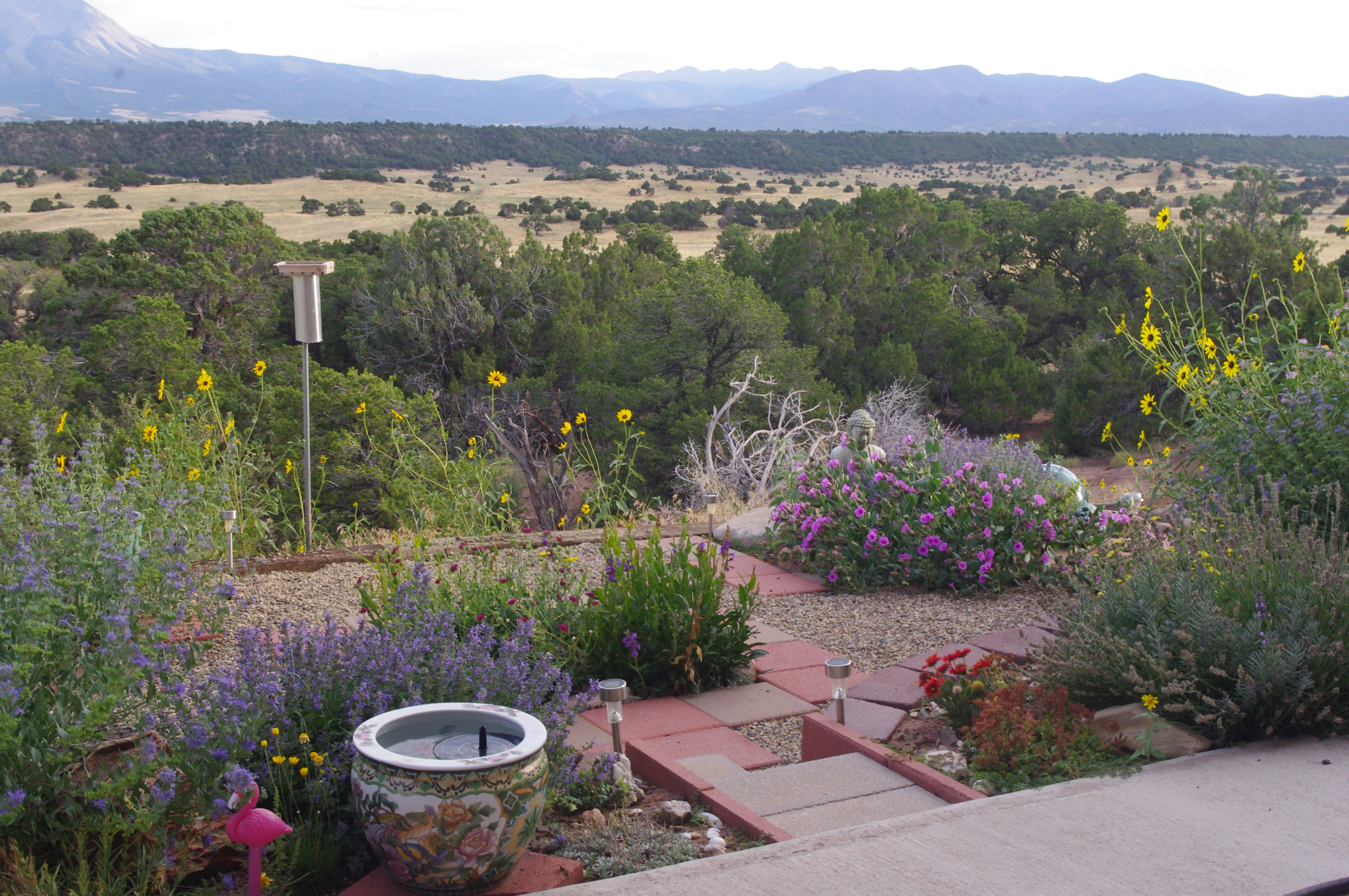
gardening,

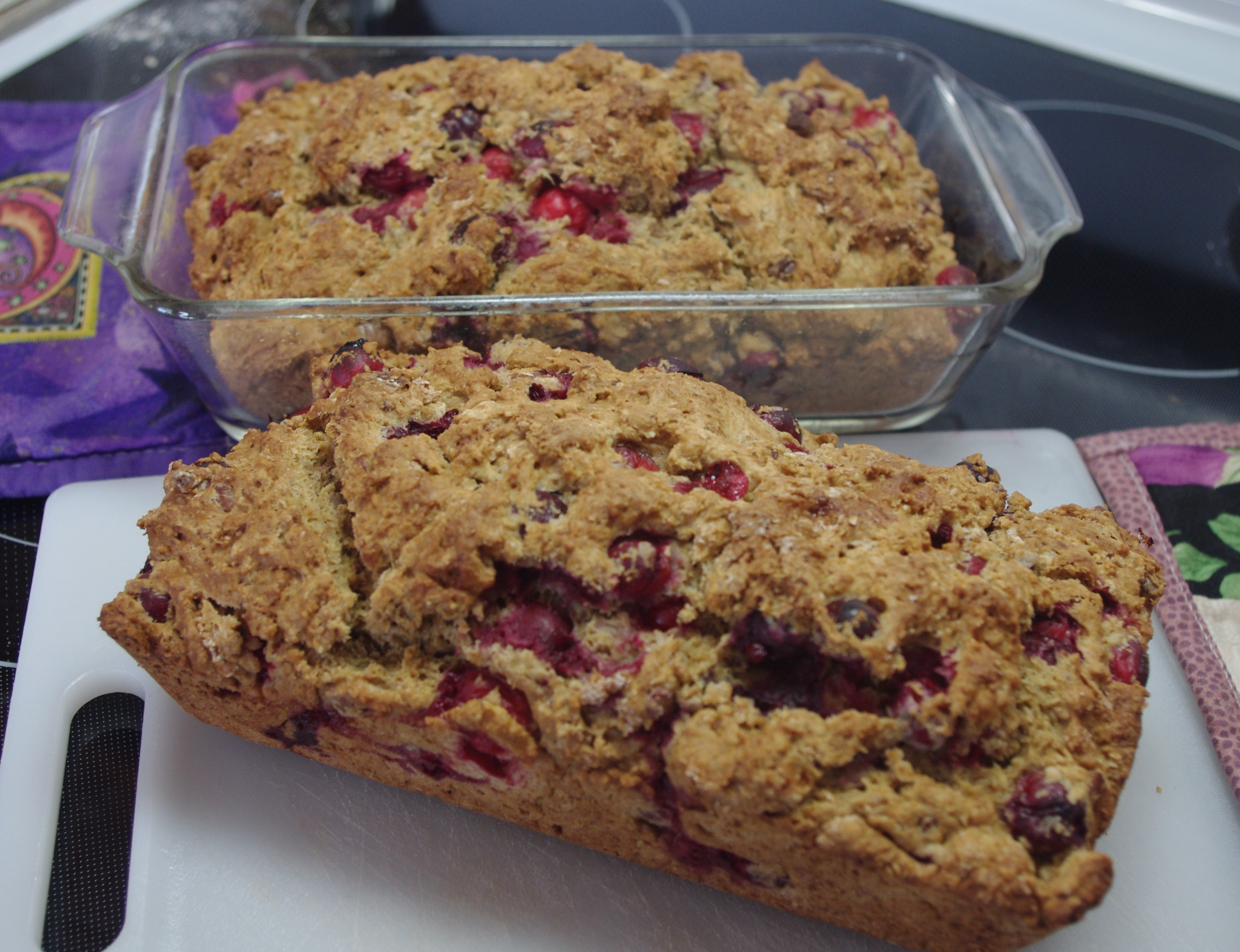
cooking and writing this blog.

Mike also understands my struggle with every day guilt, partially because he was not raised that way. He believes that retirement should be joyful and guilt-free. He believes we earned it “after slaving away our entire working life!” I can learn a lot from him.

What it looks & feels like to be SNOWED IN in the Colorado Foothills west of Walsenburg

As many of you already know, I am pretty obsessed with weather watching! I have been reporting daily precipitation to COCORAHS and the Weather Service since the Fort Collins Spring Creek flood in July 1997.

But last night was a lifetime record for me!

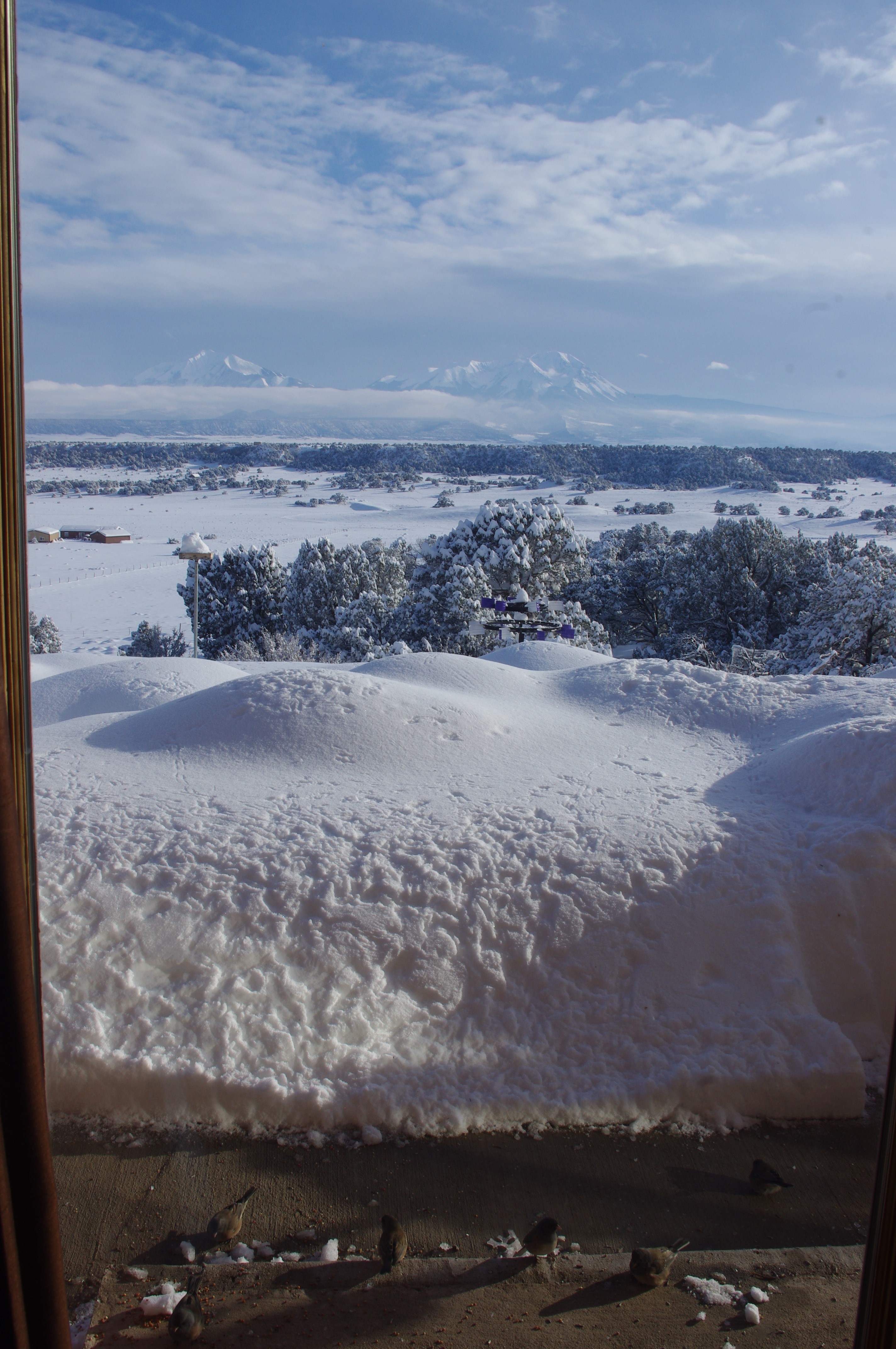
This morning I looked out at 23 inches of snow, and it’s still coming down!

Mike went out at 7 AM to measure it for me…

and get our overflowing rain gauge. Yep, 1.23 inches of precipitation!

Yep, it’s really 25 inches total!

Needless to say, Rasta and I have decided to stay in today…

The storm is over and the Juncos are HUNGRY!

Doo doo doo lookin’ out my back door

How realistic are our memories of early adulthood?

Now to answer the question: Were we always this stupid, from my last post? The answer is, we were much dumber in high school and college. I have medical proof!

I’ve been reading a FASCINATING BOOK called “The Body” by Bill Bryson. So many new and interesting facts about this crazy body we call home. I HIGHLY RECOMMEND IT!

For example, one of his most memorable moments while researching this book, was when an English surgeon peeled back a sliver of skin a millimeter thick from the arm of a cadaver for him and said:

“That is where all your skin color is. That’s all that race is – a sliver of epidermis.”

But the section on the brain was even more interesting! Brains have always interested me. But then when I got a couple brain injuries, I became even more focused on learning more about how they work.

OK, so here’s why we did some really stupid things in our teens and early twenties and now remember them far too fondly:

“The brain takes a long time to form completely. A teenager’s brain is only about 80% finished…[and] a region of the forebrain associated with pleasure, grows its largest size in one’s teenage years. At the same time, the body produces dopamine, the neurotransmitter that conveys pleasure, more than it ever will again.”

I knew before that our frontal lobe isn’t fully developed until our twenties, thus less impulse-control, but I have never heard that our teens and twenties were our best chance to experience extreme pleasure. Now, as we age, do you ever wonder if your memory is playing tricks on you? Could those early memories be real? This finding suggests our memories of the best sex in our life in our teens and twenties could be correct! Who knew?

This explains a lot. Memories can be so uncertain and unclear. They can also be manipulated and change through time. So find ways to enjoy your memories, but don’t count on them all being correct.

How to cheer yourself up!

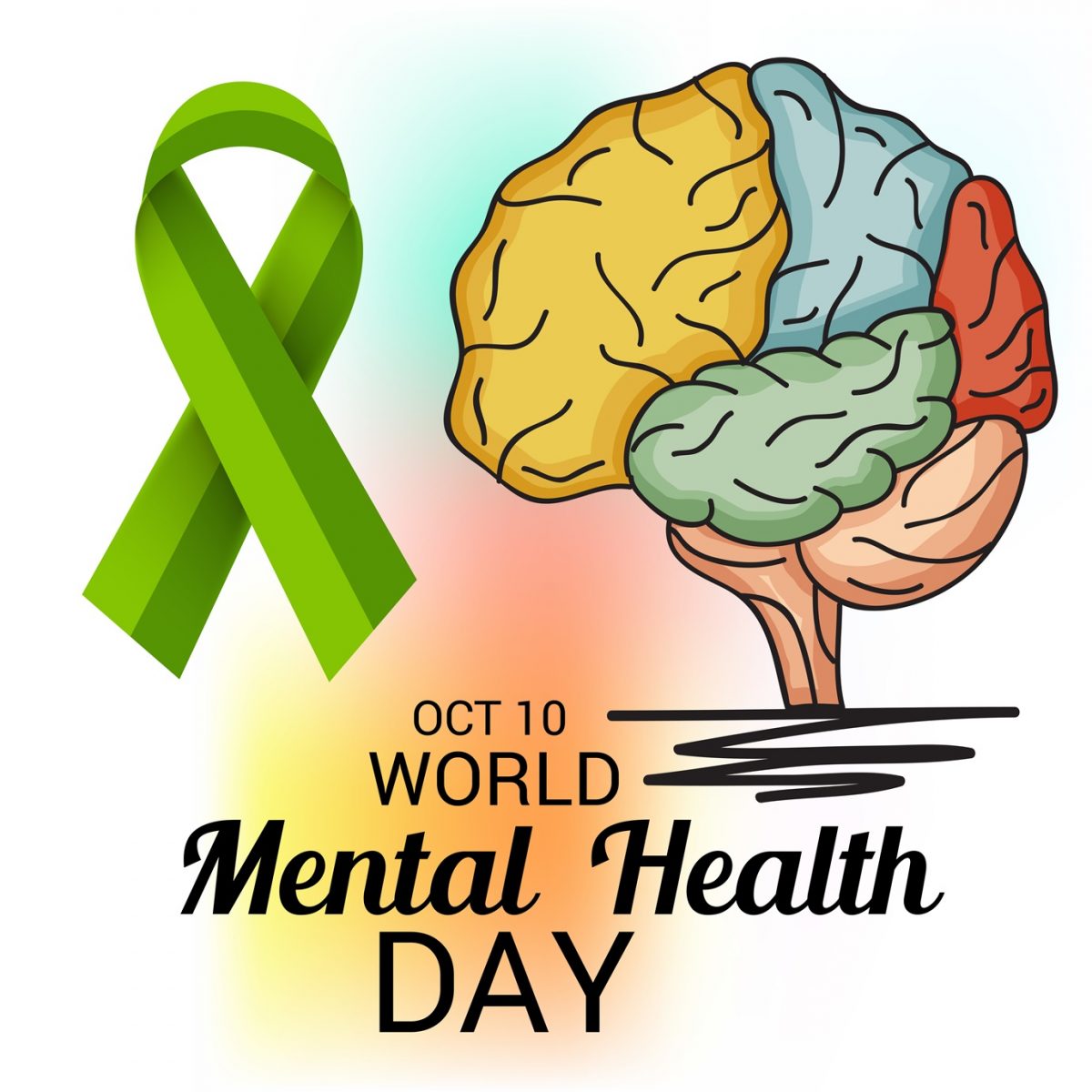
Here it is 2020 World Mental Health Day in the midst of too many good reasons to feel bad. Mental health is one of the most neglected areas of public health. Close to 1 billion people are living with a mental disorder, 3 million people die every year from the harmful use of alcohol and one person dies every 40 seconds by suicide. And now, billions of people around the world have been affected by the COVID-19 pandemic, which is having a further impact on people’s mental health.

Five Warning Signs of Mental Illness

Long-lasting sadness or irritability.

Extremely high and low moods.

Excessive fear, worry, or anxiety.

Social withdrawal.

Dramatic changes in eating or sleeping habits.

Unfortunately, I have plenty of experience with these signs, but that also means I have experience in dealing with them successfully. After years of depression, five years of great counseling in my thirties, and a degree in counseling psychology, I have learned how to take better care of my own mental health. That is not to say I don’t have my down days, especially under the present circumstances!

Here are some ways I have learned to combat the blues:

Never underestimate the power of finding a GREAT therapist. I know it isn’t easy shopping for the best therapist for you when you feel bad, but trust your feelings in selecting the right person to help you over this difficult time in your life.

Mental health days have been important to me throughout my life. While in therapy and feeling deeply sad about understanding my past, my therapist encouraged me to take a day off now and then to be with my feelings. This was essential in helping me feel better. I was severely co-dependent at that time. I remember one day I said to my therapist I felt bad about feeling sorry for myself. She quickly responded with:

“At least you are feeling something for yourself!”

Then, when you start feeling better, start taking mental health days to celebrate feeling better! A few times I needed to call in and say: “I’m feeling too good to come to work today!” No not really, but that’s the way I felt… I remember one day I went out and bought myself some great new furniture. Now, every time I look at that dresser, I remember how great it made me feel to give myself a nice gift.

These days I have been trying a new affirmation out. Every morning when I wake up the first thing I see is my little sign across the room that says:

Today I’m going to love my life!

I find that when I focus on what I am grateful for, I truly have so many reasons to love my life. Consider the fact that we are alive in a great country at one of the BEST times in human history. At least you weren’t born in the 17th century, when “life was nasty, short and brutal.” Today many Americans have the opportunity to live long, pain-free lives. We have the benefits of medicine and science helping us to improve our lives and the lives of others. LUCKY US! We truly do have good reasons to love our lives, and if we don’t we are quite free to change them! This is what I learned from my own midlife crisis. Whatever you are not changing, you are choosing.

If none of this works, try chocolate. It works for me!

You’ve got to go crazy sometimes, or you might go crazy!

The history of human use of psychoactive plants: See “The Stoned Ages” and learn more!

Have you ever thought you would like to learn more about the history of the use of psychoactive plants and botanicals in world history? I just saw a GREAT film about this on the History Channel this week!

Here’s few fun facts from this documentary:

From the beginning of the human race to the present, the human race has been using plants to feel better. From early man (& women), the Egyptians, and the Mayans (Pre-Columbian societies) there has been a constant search for medicinal plants. For example, the Mayans were quite familiar with plants in their environment. They regularly used tobacco in enemas, (bowel is blood rich) and ritual practices. Another example, their use of a solution with ayahuasca done in the presence of a Shaman. It’s purpose was to create a heightened perception of reality, creating a visionary state where one might commune with the gods. They believed these plant rituals gave them a unique gateway to the spiritual realm and the substances used were sacred tools to help them connect. They also used performance enhancing drugs in sports and many other pharmaceutical products.

The Ancient Greeks, especially the philosophers, used pharmaceuticals to create altered states, have out-of-body experiences and to journey to other worlds to meet their gods. Mushrooms and ergot (barley fungus) were used with no moral stigma, with the full realization that plants can heal and harm us. Drugs were about pleasure in the right circumstances and context, not about right and wrong. They felt, if the people were using plants to experience a union with God, what did they need with organized religion?

The Age of Religious Judgment: The Christians

After the Romans were converted to Christianity, their use of psychotropic substances became illegal. Early Christian history shows anxiety and suspicion when it came to pleasures of the body. According to them, faith in Christ is the only road to salvation, therefore an interest in alternative realities became a problem. The sense of puritanical self-denial was an important part of early Christian views. Denial of the pleasures of the body was essential in conversion to Christian spirituality, and this became the dominant value system in the West.

The Age of Discovery

Exploration of new worlds led to the discovery of new psychotropic substances, for example tobacco and cannibis. Since most drugs come from plants, international travel led to a confluence of drug products transferred to Europe in the early modern world. In addition, with the introduction of tobacco to the New World, came a new way to administer drugs, by smoking them… What did the term “patent medicines” mean in the 1800s in the USA? It meant they didn’t need to tell you what was in them. “Medicines” like morphine, cocaine, heroin, and aspirin.

Drink your Coca-Cola and you’ll feel so much better!

How has our society defined some psychoactive plants as “medicines” through the ages, and others as bad for you? Learn more by watching this documentary: