Are all illnesses caused by our minds?

You cannot control how other people receive your energy. Anything you do or say gets filtered through the lens of whatever they are going through at the moment, which is NOT ABOUT YOU.

I met a new person this week who has me quite perplexed. After speaking to her for only a few minutes, she offered me quite a bit of advice. She diagnosed my problems as, “You need to get out of your head to attract good health and healing.” Her swiftness and certainty was disturbing and mildly annoying considering the fact she does not know me at all. She apparently believes all physical ailments are simply a manifestation of emotional problems. Solve those and the illness disappears. This left me wondering, if I told her I have lung cancer, would she recommend better counseling?
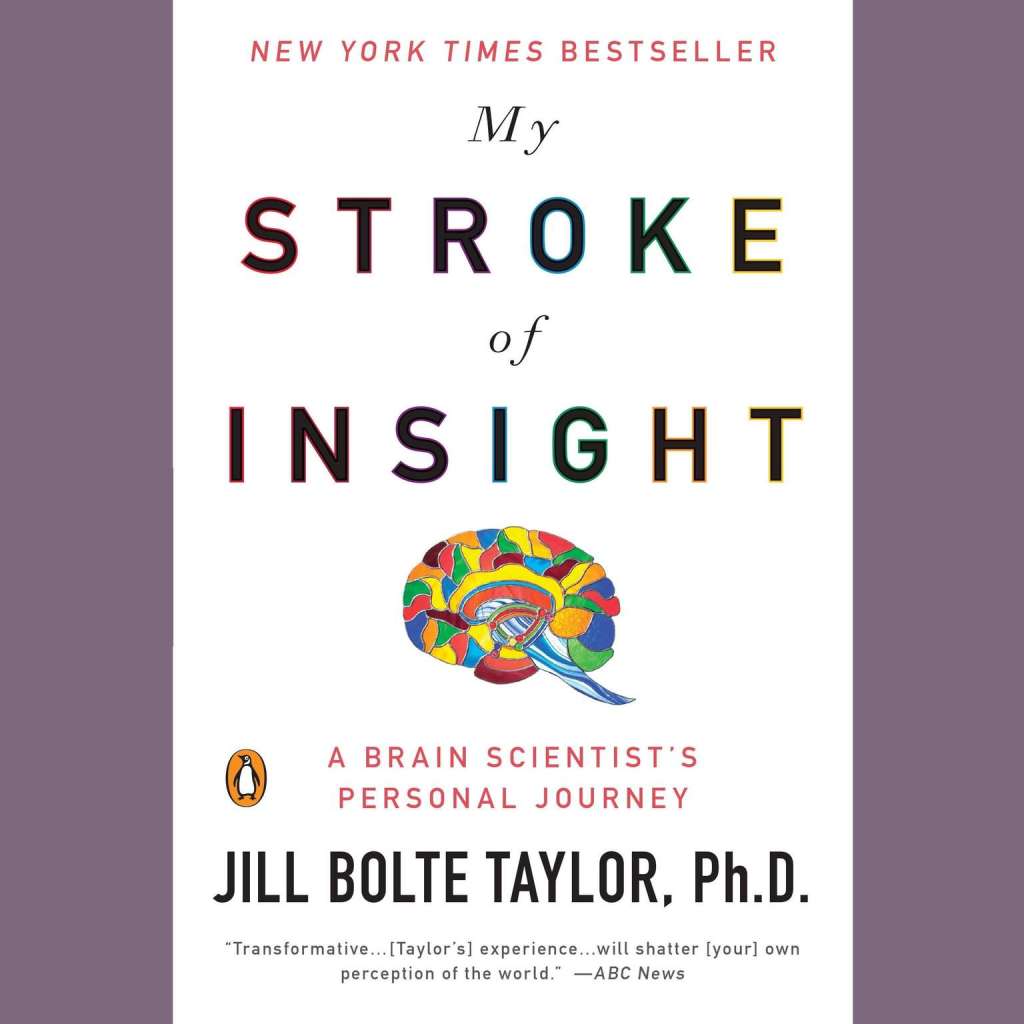
To deal with my confusion I spent some time today talking with my favorite health professional about my exchange with this self-defined “healer.” She first emphasized to me that there is no certainty in the field of medicine. That is why they call themselves “practitioners.” Even what may seem like a perfect diagnosis after months of testing and analysis still has no certainty. So for someone who describes herself as a “healer” to decide after just a few minutes of conversation that she knows how to “fix” me is absurd. That same health professional I once told to “Walk a mile in my shoes!” when she suggested that she knew how it felt to be constantly out of breathe while dealing with a severe head injury. Since then my friend has read and recommended the book: “My Stroke of Insight: A Brain Scientist’s Personal Journey” by Jill Bolte Taylor Ph.D., who experienced a massive stroke at age 37. Now I believe my friend has a much better understanding of what I deal with every single day.

Blaming the victim?

I never forgot an image from my counseling internship at a rehab hospital 25 years ago. I went in to speak to an elderly lady and the first thing she said was, “Why is this happening to me? Doesn’t God love me anymore?” In other words, what did I do to deserve this illness? First of all, we all will die of something. I do not believe we “cause” everything that happens to us. Did Jill Bolte Taylor, a Harvard-trained brain scientist, cause her own stroke? Did I choose or cause myself decades of bronchitis and extreme breathing difficulties? Did I somehow choose to almost die numerous times from hypoxia? What about genetics, air pollution, and my choice to live a stress-filled life in a number of foreign countries?

What do we hope for when we make ourselves vulnerable to others?

What I need from others when I tell them about my difficulties in breathing and concentration is caring concern, non-judgment and, most of all, compassion. I crave exactly what David Richo lists in his book “How to Be an Adult in Relationships.” Drawing on the Buddhist concept of mindfulness, David recommends we offer others our attention (observing, listening, and noticing the feelings at play), acceptance of them just as they are, appreciation of their gifts, limits, longings and affection.

After a lifetime of carefully observing how others respond to pain, I was disappointed with this recent acquaintance. Some run away from pain or change the subject. Others immediately try to “fix” me. When they suggest that they have simple answers to complex problems I have been dealing with for decades, I know they do not know of what they speak.

Please prepare now for unexpected outcomes

I’m sad to learn that my friend Rena Kaplowski died yesterday, even though she went the way she wished, in her sleep. Her passing has been a bit of a wakeup call for me and perhaps should be for millions of us. Rena had just turned 67 when she suffered a devastating stroke. Weeks of unconsciousness and intensive care followed, and she had just been moved to a rehab center when she passed.

Rena had not signed an advance directive form like Five Wishes which allows each of us to guide important medical care decisions that might be made if we should become seriously ill, decisions like whether we would like to be given life-support treatments. You may think that your loved ones and doctors will know what you want when you are very ill, but in reality, everyone has different wishes and it’s important to make them clearly known. Expressing your wishes in an advance directive helps to empower your family and other loved ones, and your doctor to make the best decisions when the time comes, and avoid disagreements about what to do next. Completing a form like “Five Wishes” can help you and your loved ones gain peace of mind around difficult end-of-life decisions.

The best time to fill out an advance directive form is now, before you face a health crisis. Because life is unpredictable, it’s best to be prepared. Anyone over the age of 18 can use the “Five Wishes” form. It is also a good idea to review and possibly update your Five Wishes advance directive when you experience significant life events like marriage, divorce, having children, or being diagnosed with a major illness. “Five Wishes” was written with the help of the American Bar Association’s Commission on Law & Aging and is used widely in all 50 states. Federal law requires medical care providers to honor patient wishes as expressed.

Remember, you will always make your own health care decisions if you are able to talk with your doctor and understand what is being said. This directive only takes effect when you are too ill to understand or communicate. If you are unable to make your own decisions or speak for yourself, an advance directive and the person you chose to be your healthcare agent, can help direct your care with your doctor.

American drinking: Do you drink to feel good, or to take the edge off of feeling bad?

“From 1999 to 2017, the number of alcohol-related deaths in the United States doubled, to more than 70,000 a year—making alcohol one of the leading drivers of the decline in American life expectancy…” — “Alcohol-related deaths increasing in the United Statesby the National Institutes of Health, January 2020

“The damage done by alcohol is profound: impaired cognition and motor skills, belligerence, injury, and vulnerability to all sorts of predation in the short run; damaged livers and brains, dysfunction, addiction, and early death as years of heavy drinking pile up.” — “Drinking Too Much in America” in The Atlantic

I was raised by two serious alcohol drinkers. I have always wondered if my Mom’s tendency to drink to deal with her anxiety and depression led to breast cancer at an early age. Her brother died of alcoholism. I admit it, after watching my parents drink so much, I developed an aversion to that level of intoxication. I have never found it attractive or funny, perhaps partially because I don’t get drunk, I just fall asleep.

As a part of my counseling training, we spent time learning about alcoholism and addiction. At the first meeting I raised my hand and said, “I only have one question. I cannot get drunk, I fall asleep instead. Why is that?” There I learned exactly how genetic alcohol addiction is. Certain genetic groups can tolerate far higher levels of alcohol and therefore can drink more to achieve intoxication. The normal response to alcohol, which is a depressant, is tiredness and sleep.

Yes, I know. Some of us now us THC products to deal with anxiety and depression. I am one of them, and I see no reason to argue about which is better for you. But I would argue that THC kills a lot less Americans than alcohol, and yet drinking is also one of our favorite topics to joke about. To me, alcohol addiction is not funny. It’s deadly to both the alcoholic and those around them, especially on the highway.

Studying addiction and counseling was my first choice as a new college kid at Colorado College. But then the discussion always comes up, do you have to be a addict to help addicts? I still have no answer to that one except to say few of us aren’t addicted to something, even if it’s sugar, salt or something else. That’s how our brains work.

This fascinating article looks at why we drink as an evolutionary adaptation to stress, and why American drinking has increased quite a bit, especially since 9/11: The Atlantic: “Drinking Too Much In America”

A New Thanksgiving Gratitude Challenge!

I have been making Thanksgiving dinner for so many friends and family for most of the past fifty years of my life. It usually turns into a bit of a stress-fest trying to get everything done and on the table at the same time. When it’s time to make the gravy I am usually at wit’s end and exhausted! I guess I should add I am very controlling and bossy in the kitchen…

So last night Mike laid down this challenge to me: Let him do it all. He has done it before, before he met me, he reassured me. This blew my mind as I started taking it in fully. Could I let go of that much control? Could I trust him to do it right? This all blew my mind, because it showed me exactly what a control freak I still am. Did I trust Mike to do it well and do it “right?”

Of course, we do need to take into consideration that I am now on oxygen fulltime and even then sometimes short of breath. Since I first saw it, I have related too well to that new anti-smoking ad about starting in October if you are in charge of fixing Thanksgiving dinner this year. I have to admit it made me laugh because that was me! And no, I never did smoke, just crappy lungs, which no MDs so far can figure out.

As it turns out, I cannot turn the whole affair over to Mike, but he will be doing most of the work. I feel I need to make my cornbread dressing and the pie. Funny how we slowly give up control, and only when it becomes almost impossible to do it all yourself!

Now for one of my favorite stories about Thanksgiving. When I was in my late 20s I went to Taipei Taiwan to study Chinese language at the Stanford Center. Thanksgiving can be tough in a place where nobody even knows what a pumpkin or a turkey are. Soon after I got there in September, my grandmother died and I could not go home for her funeral. My brother-in-law did something really kind for me that year. He had his grade school kids make me Thanksgiving cards and sent them to me. They were all so cute and welcome, but one of them still comes to my memory every year.

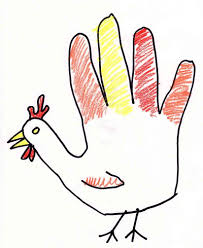
This kid had drawn a turkey and along the bottom he wrote the words:

“I am a turkey too yum yummy yum yum!”

to be sung to the tune of Little Drummer Boy!

“I am grateful for what I am and have. My Thanksgiving is perpetual.” — Henry David Thoreau

“Make yourself useful!” A post for overly responsible boomers

Two themes have been competing in my brain for decades:

Do we need to “make ourselves useful” all the time? Or is it OK to simply relax and enjoy our lives?

Let me begin by acknowledging that I was brainwashed as a child that everything we do should be “useful.” Laziness was not allowed, and laziness was very broadly defined. Pursuits like games, art, music, cinema, anything that was simply pleasurable and not academically motivated was a waste of time. Productivity was key, but only certain types of productivity. Now I find some of these same strict definitions among my fellow Boomers, who are having trouble getting comfortable with aging, illness and retirement.

First of all, I have studied the psychology of American boomers for years. One conclusion I came to is that we have been identified unfairly as an extremely self-centered and irresponsible generation. The boomers I know are now taking care of their parents if they are still alive, environmentally aware and responsible, and feel a strong need to feel useful in this world. That flower child, druggy image does not stick. Perhaps we are more self-aware than our parents, and more aware of our impact on this planet, but totally irresponsible, no.

Speaking for myself, I grapple daily with guilt over my own idleness even though I also struggle with hypoxia and the long-term affects of a traumatic brain injury. Besides the usual, “Why me?” questions, I feel lazy if I cannot complete at least a few household chores every day. Guilt feels like a permanent companion to my illnesses. Luckily my husband Mike is the direct opposite of my inner critic. He encourages me to feel good about simply still being here, and helps me make the most of it. He keeps our vehicles and home running smoothly…

while encouraging me to focus on hobbies that give me pleasure like photography,

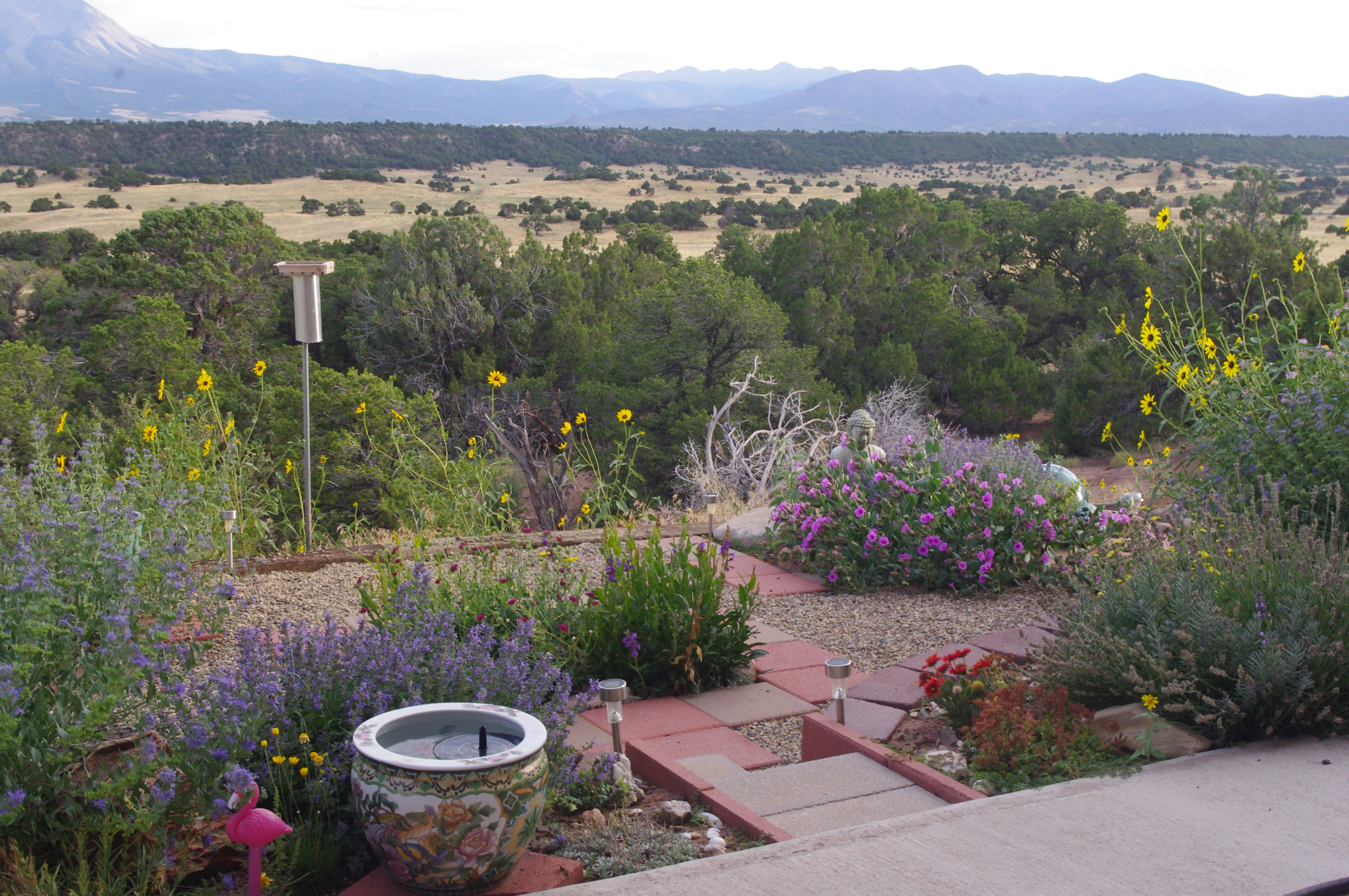
gardening,

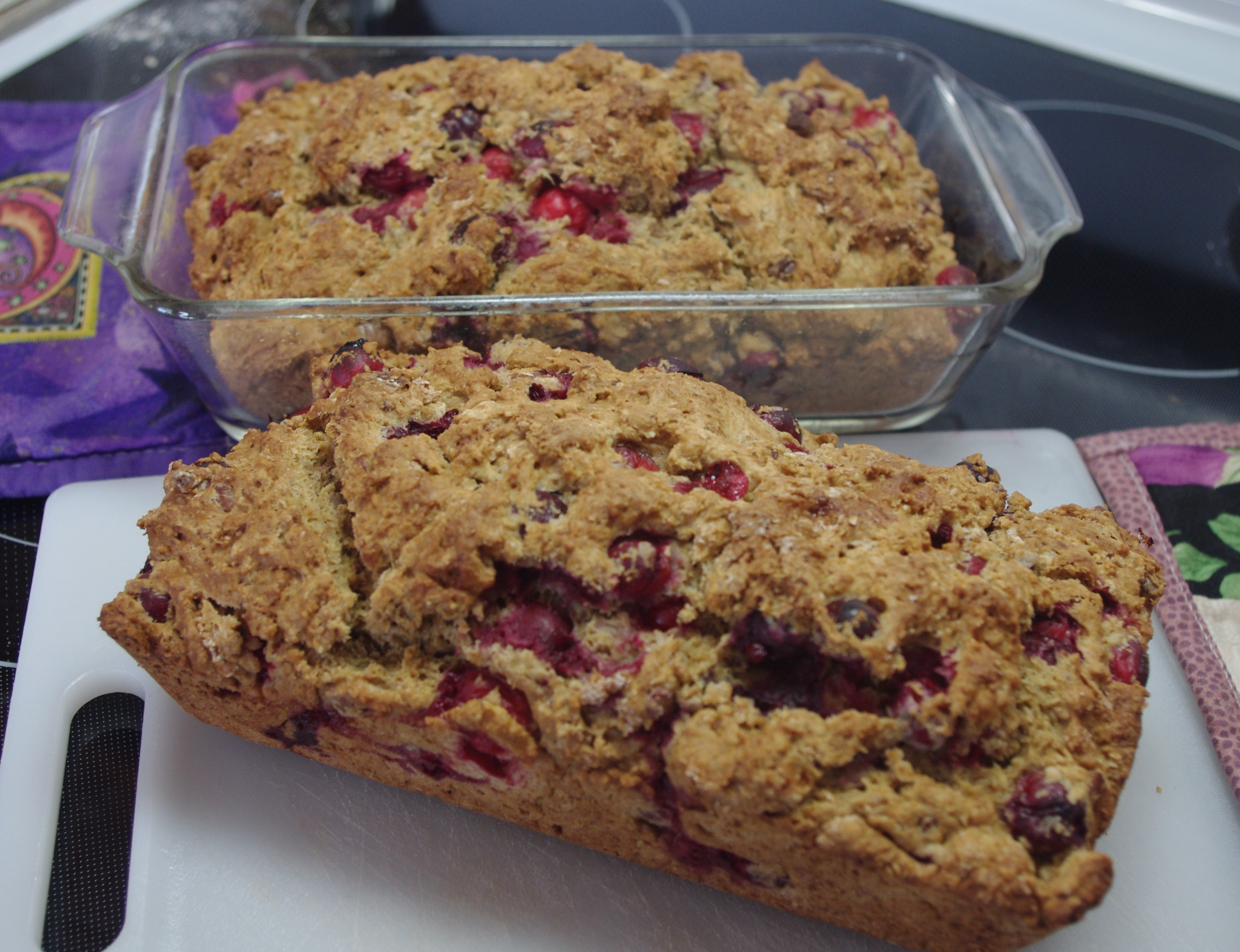
cooking and writing this blog.

Mike also understands my struggle with every day guilt, partially because he was not raised that way. He believes that retirement should be joyful and guilt-free. He believes we earned it “after slaving away our entire working life!” I can learn a lot from him.

Choose those who make your life BETTER!

This may seem like a no-brainer, but as I think back to so many of my early relationships I see how I did exactly the opposite. I swear I was looking for trouble in my past relationships, instead of a better life for myself. I was looking for someone to help. It wasn’t really conscious, but it was there. Somewhere inside I thought my only worth was in helping others. No one could possibly love me just for being me. I wasn’t worth that much.

Looking back I truly suffered in my early relationships, but I thought that was what being with others was all about. Where did I get this gigantic piece of misinformation? Why wouldn’t I choose to be with others who loved and wanted the best for me?

As crazy as this was, co-dependency works this way. And until I learned so much more about my emotional problems in counseling, I continued to torture myself with the same old assholes, even into my first marriage.

I guess I finally got tired of all the drama and sadness. I chose differently at age 49. I was not sure when I first met Mike. Was I making the same past mistakes? It took a year or so to know for sure. But I know now that I live within a relationship where my partner does everything he possibly can to make me a happier and healthier person. I have finally found my soft place to fall.

How to Believe in Love Again: Opening to Forgiveness, Trust and Your Own Inner Wisdom, by Laura Lee Carter, M.A. Transpersonal Counseling Psychology, Naropa University.

how-to-believe-in-love-again-between-tiny-and-blog-size

Most of us start out believing that love can transform our lonely lives into something better. When that doesn’t work out as hoped for or planned, do we dare dream again? After 25 years, I lost my job back in 2004.  At age 49, divorced with no kids, no job and no career, I began to totally focus on “What’s next?” The rational, practical side of my brain told me to go get another crappy job, but my inner wisdom begged to differ.  It kept prodding me to open my own non-Internet-based matchmaking service. Eventually I agreed. I figured, what did I have to lose? I needed a date and a job.

Little did I know that this new business would unconsciously nudge me towards an even more profound use of my intuition and inner wisdom, guiding me towards a new life and new LOVE!