
Before I went to read (The 4 Things That Matter Most in Retirement) an article over at Next Avenue, by an expert on “the difficult transition from work life to an encore career in later life,” I made a list of what matters most to me as I turn 64. What’s on your list?
-
Health and physical comfort (I live with COPD and quite a bit of pain)
-
Lack of major worries like physical safety, money, feeling secure, etc.
-
Being surrounded by love and family
-
The enjoyment of being present with the natural world that surrounds me
-
I would want to add a mindfulness and gratitude practice here
I find the author of this article assumes too much, assumptions I made before I hit the ground face first in a serious bike accident and then turned 60. Assumptions like I would feel and be as healthy as I had been most of my life, or that I would be ready to take on a “new career in my third age.”
After a traumatic brain injury and COPD, a second career is out of the question for me. I do continue to write here for two reasons, I enjoy the brain challenge and I like to interact with others in this way. I find one major issue for many as they retire is the desire to “feel useful.” I know some need to feel useful much more than others. This I attribute to early brainwashing that says,
“You have no right to be here unless you are useful or productive in some way.”
Do you remember the first time you felt useful? When was the last time you felt truly useful? Do you need to feel useful to feel good about yourself?
I was raised with a strong work ethic. Feeling useful and especially “productive” has been what my life was about before we retired to rural Colorado in 2014. In the past few years, as my health declined, I fought a hard battle with myself and eventually came to the conclusion that being here and finding ways to be content was enough. Those of you who have the “feel useful” gene know exactly what I’m talking about here. How have you dealt with it?
Acceptance releases everything to be what it already is.
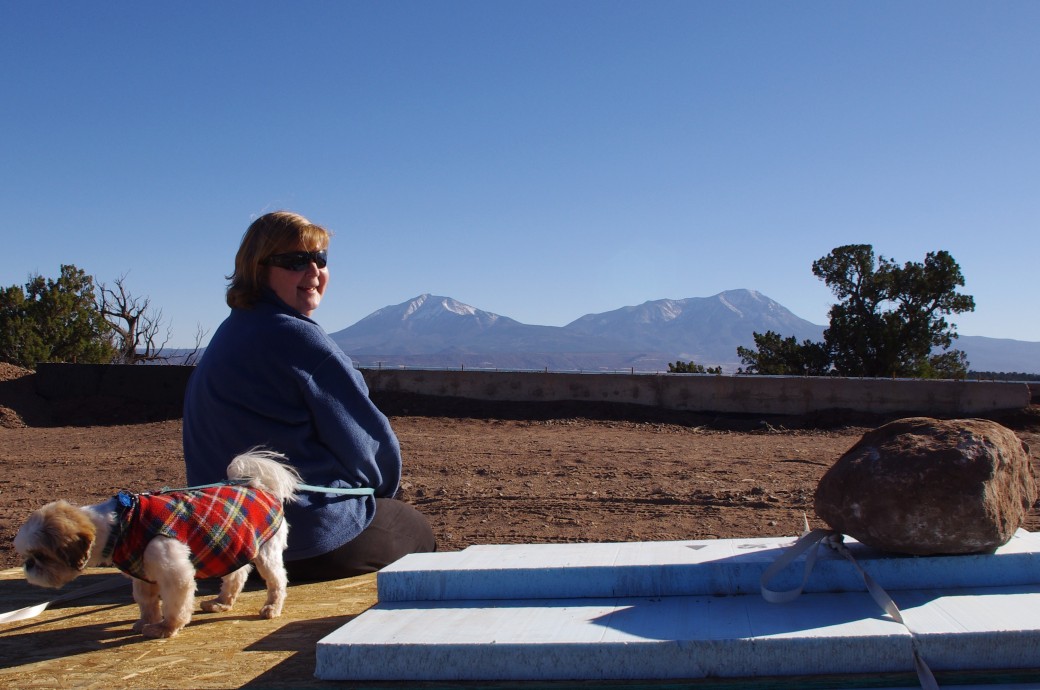
A Memoir of Retirement: From Suburbia to Solar in Southern Colorado by Laura Lee Carter, M.A. Librarianship, History and Transpersonal Counseling, is a book which answers the question: “What’s it like to move to the country to retire?” In June 2014, we packed up or got rid of most of our worldly goods, sold our nice house in suburbia (Fort Collins) and took off to stay in an old miner’s house while we built a direct-gain passive solar home with spectacular views of the Sangre de Cristos, just west of Walsenburg in Navajo Ranch, Colorado. It was not without fear and trepidation that we landed here, ready to invest our life savings into Huerfano County, the place of the orphans.
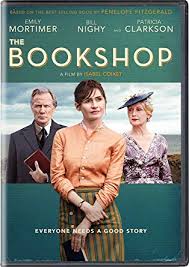 Set in the small coastal town of Hardborough, Suffolk, in 1950s England, Florence Green, a WWII widow, sets her sights on making her home and opening a small bookshop in an old, abandoned property. This has always been her dream. Along the way we observe the ins and outs of being new to a small village much like my own experiences since we moved here in 2014. She does make a few good friends, most notably an old, bookish recluse gentlemen played by one of my favorite actors, Bill Nighy (he reminds me of my husband a bit) and a young girl named Christine, who she hires to assist her in her shop.
 From the very beginning of this film I was reminded how strongly I feel about promoting intelligence and freedom of information, going back to my first jobs as a Government Information Librarian in the 1980s. I see myself now as a crusader for books, the power of words, writing, knowledge and intelligence. I have found that there can be a tendency, especially in small towns and in rural America, to criticize those who are better educated. This does not serve any of us.
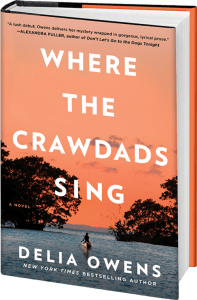
 One aspect of Kya’s life I found easy to relate to, was how she observed or read about animal behavior to inform her about human behavior. This comes through clearly as she describes the behavior of the lawyers during her trial. Ever since I saw the short nature documentary film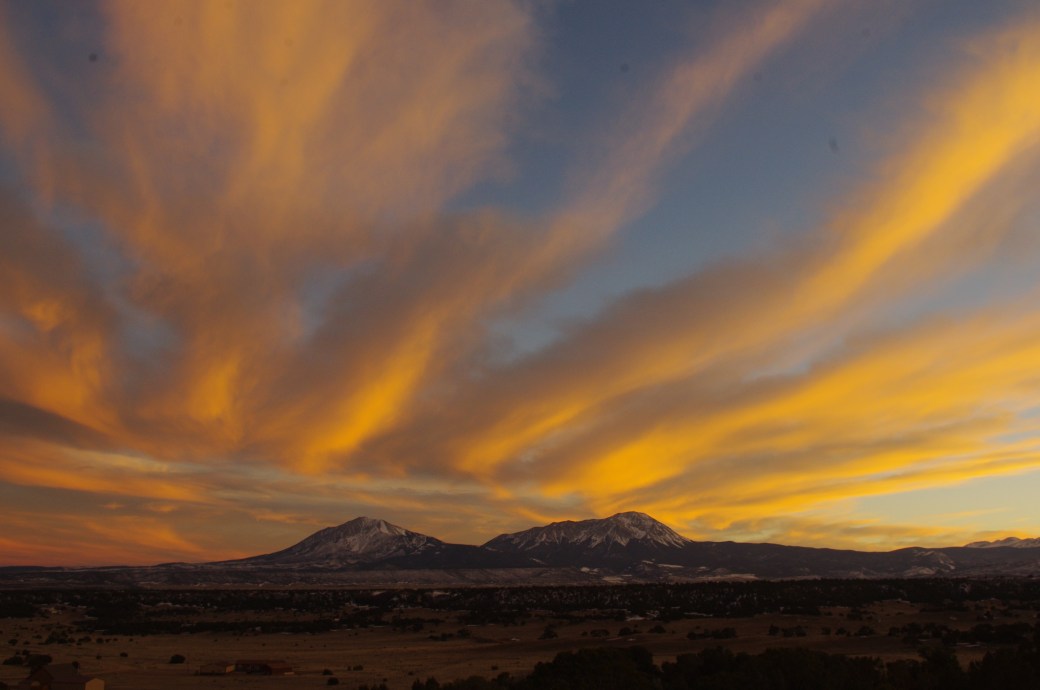
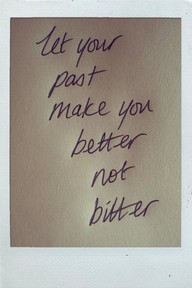 Let it go. Everyone has regrets, but don’t live a life of sorrow. The past is gone; find a way to come to terms with it. If you need to call up those from your past, do it and get it over with. Today is all we really have.

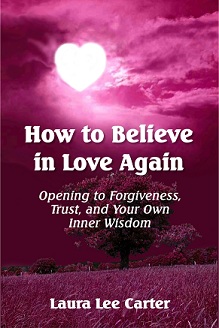 Mike supported me in a way I have never experienced before, with unconditional loyalty, affection and appreciation. He offered full support to my dream of becoming a professional writer at age 50, back in 2005. This I did with enthusiasm, first as a freelance writer, then as a blogger and finally as an author. In fact, his support led to my second book:
  Adventures of the NEW??? Old Farts