What matters most to you in retirement? Do you need to feel useful?

retirement living for yourself

Before I went to read (The 4 Things That Matter Most in Retirement) an article over at Next Avenue, by an expert on “the difficult transition from work life to an encore career in later life,” I made a list of what matters most to me as I turn 64. What’s on your list?

  1. Health and physical comfort (I live with COPD and quite a bit of pain)

  2. Lack of major worries like physical safety, money, feeling secure, etc.

  3. Being surrounded by love and family

  4. The enjoyment of being present with the natural world that surrounds me

  5. I would want to add a mindfulness and gratitude practice here

I find the author of this article assumes too much, assumptions I made before I hit the ground face first in a serious bike accident and then turned 60. Assumptions like I would feel and be as healthy as I had been most of my life, or that I would be ready to take on a “new career in my third age.”

After a traumatic brain injury and COPD, a second career is out of the question for me. I do continue to write here for two reasons, I enjoy the brain challenge and I like to interact with others in this way. I find one major issue for many as they retire is the desire to “feel useful.” I know some need to feel useful much more than others. This I attribute to early brainwashing that says,

“You have no right to be here unless you are useful or productive in some way.”

Do you remember the first time you felt useful? When was the last time you felt truly useful? Do you need to feel useful to feel good about yourself?

I was raised with a strong work ethic. Feeling useful and especially “productive” has been what my life was about before we retired to rural Colorado in 2014. In the past few years, as my health declined, I fought a hard battle with myself and eventually came to the conclusion that being here and finding ways to be content was enough. Those of you who have the “feel useful” gene know exactly what I’m talking about here. How have you dealt with it?

Acceptance releases everything to be what it already is.
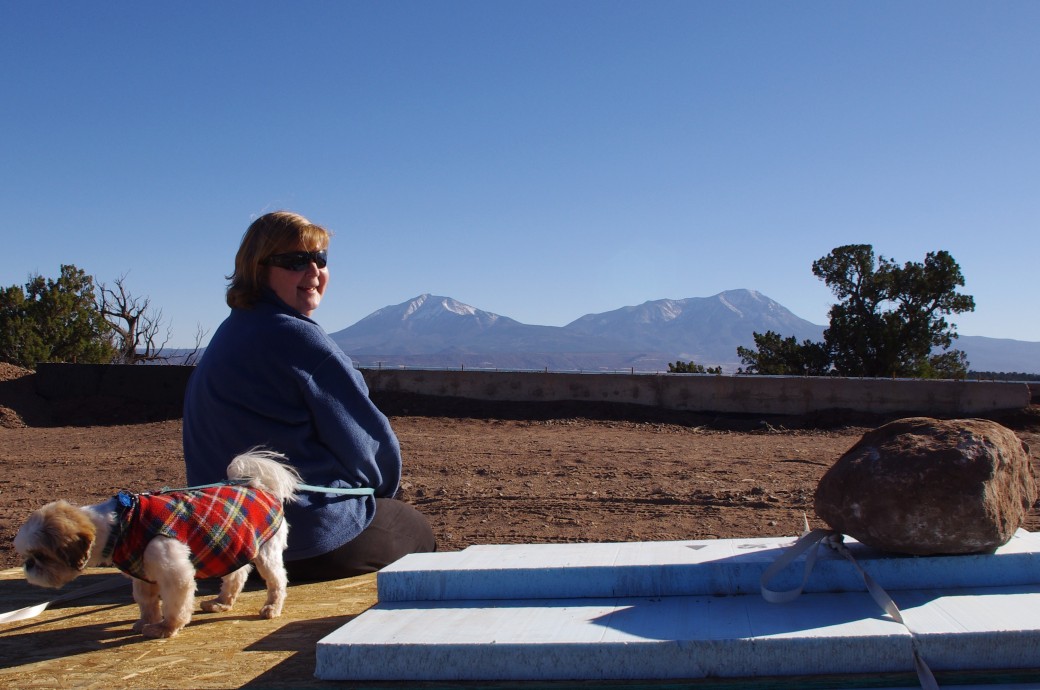
laura and rasta on insulation 2014 (2)

A Memoir of Retirement: From Suburbia to Solar in Southern Colorado by Laura Lee Carter, M.A. Librarianship, History and Transpersonal Counseling, is a book which answers the question: “What’s it like to move to the country to retire?” In June 2014, we packed up or got rid of most of our worldly goods, sold our nice house in suburbia (Fort Collins) and took off to stay in an old miner’s house while we built a direct-gain passive solar home with spectacular views of the Sangre de Cristos, just west of Walsenburg in Navajo Ranch, Colorado. It was not without fear and trepidation that we landed here, ready to invest our life savings into Huerfano County, the place of the orphans.

 

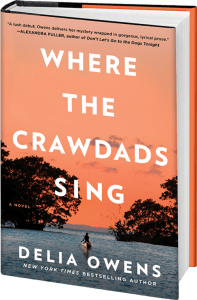
A Review of “Where the Crawdads Sing” from a Naturalist and Psychotherapist’s Perspective

I just finished reading this novel yesterday, and I would name it the best nature-focused novel I have ever read, this from a reviewer who idealized Jane Goodall as a teenager and wanted to grow up to study animal behavior just like her, in nature’s most beautiful and wild places. The author, Delia Owens, shows such sensitivity and intelligence in describing the natural setting as well as her main character, Kya.

where the crawdads sing

Kya was left to raise herself in the swamp country of South Carolina, to fill her days with survival skills as well as precise observations of the natural world around her. She loves her animal friends like the gulls. They are her only companions. We slowly see how Kya is uniquely qualified for this vocation as a natural loner who lives to be encapsulated in pure nature. As she grows and spends time with only a few other people, she learns to read and then she learns more and more about animal behavior.

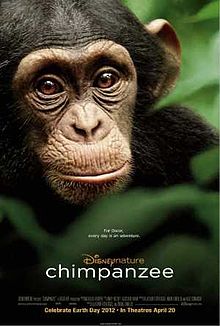
Chimpanzee 2012 filmOne aspect of Kya’s life I found easy to relate to, was how she observed or read about animal behavior to inform her about human behavior. This comes through clearly as she describes the behavior of the lawyers during her trial. Ever since I saw the short nature documentary film Chimpanzee in 2012, released by Disneynature, I see most human behavior through that lens. Most human behavior can be understood by observing chimps in the wild, where they can truly be who they are. Males are naturally more aggressive, females protective of their young. Try watching a football game sometime through this lens and you will see that we are not so different as we think!
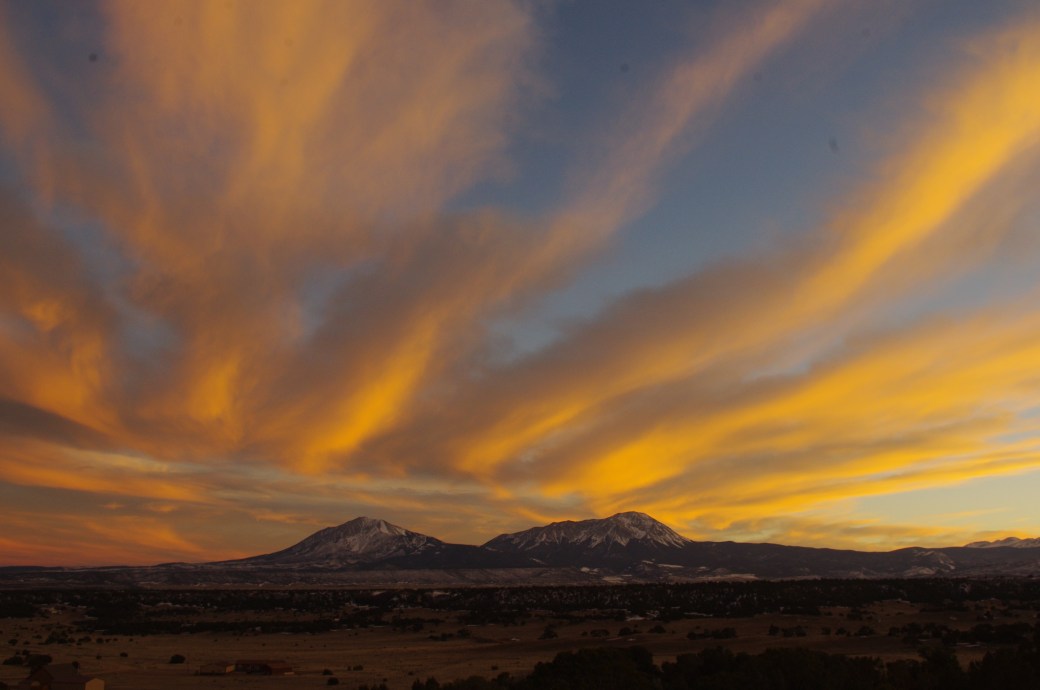
After decades of city living, I moved to a home in rural Colorado five years ago, where I find myself quite close to nature. Here I so enjoy the experience of observing changes in myself and how I see and feel the world around me. The best part is the complete silence here and with less reason for fear and daily vigilance, the natural world has unfolded before me, showing that we were made to live close to nature, not close together in cities. I have learned that city life can literally drive us mad. The perceived threats are everywhere in cities so we naturally keep our guard up at all times, not a healthy or natural way to exist.

IMGP7760

Now that I live out in the country, I feel like I have finally begun to live in harmony with each sunrise and sunset. Now I notice the birds’ songs as spring arrives, free from tension and anxiety, a feeling I have never felt before. That often unconscious and yet ever present stress felt in cities is simply gone.

Inspiration for uncertain older writers (like me!)

Where Crawdads Sing

Have you heard yet the story of Delia Owens? I happened across her story on CBS Sunday Morning yesterday and felt new encouragement. She’s 70 and a loner from way back. Her new and first novel is Where the Crawdads Sing, although she has published non-fiction before (like me). This novel is tough to categorize; it’s a love story, a murder mystery, a courtroom drama, and an ode to the outdoors – all in one. It took her the better part of a decade to write, inspiration coming whenever it came.

I love the way she waits for wisdom even in her sleep:

 “I sleep at night with a little pad of paper in my bed with a flashlight and a pen, and I wake up in the middle of the night and write something down,” she said. “Something that I think is brilliant! And then when I wake up in the morning I’ll look at it and half the time I can’t read what I wrote.” A thousand such moments became little scraps of gold, like this one:

“Sand keeps secrets much better than mud.” That one made it into her book.

I found her whole story so inspirational. I also constantly find ideas or quotes popping into my head, especially in the shower, the source of my greatest inspiration. I must have a million snippets of paper like that, and never use these in my books, and the freedom of writing fiction also excites me.

We’ll see if any of these ideas go anywhere, but in the meantime, I love the fantasy!

New Rules for Retirement: Do it NOW!

No one gets out of this alive. With retirement, you have more time to do the things you love, but the extra time is wasted unless you use it productively and actually live your dreams. Make that phone call to let someone know you are thinking of them. Better yet, go visit. Mend fences, hug, show appreciation, be kind to people. Don’t be complacent; you never know when the people you thought would be there forever will be gone.

Money is overrated. Money is a tool. To see it as anything else is folly. Yes, we all need some, but money is a means to an end, not an end in itself. Spend wisely and then let it go.

Time is your most valuable asset. You only get so much, and that is it. You can’t hoard it. You can’t get it back. You can’t turn back the clock. The best you can do is to start investing your time wisely.

Stop searching for happiness. The only place you can be happy is in the present. Stop chasing tomorrow and fully experience happiness today.

Your bucket list is crap. Putting things on a bucket list can be just another way of deferring your aspirations. Sure, go ahead and make a list but remember: Life goes on while you are busy making other plans.

Comfort is overrated. Keep pushing yourself and trying new things. Challenge yourself to more growth, not less. If you get disabled in one area, develop other ones!

Go with your feelings. No need to justify anything you want to do. It is OK to do things solely because you want to. Take dance lessons. Learn to play the zither. Who cares about the critics?

You are responsible. You get to choose how you respond to everything. Yes, everything. Your response to anything is a choice. You get to choose what matters. You didn’t get this far to keep jumping through other people’s hoops. Don’t forget the importance of yourself.

You can’t make others happy. You can listen. You can be kind. You can smile. You can respect. You can offer assistance. You can contribute tools, but everyone is responsible for their own happiness.

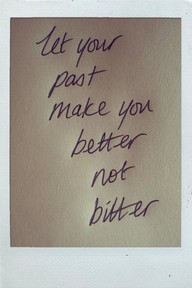
past better not bitterLet it go. Everyone has regrets, but don’t live a life of sorrow. The past is gone; find a way to come to terms with it. If you need to call up those from your past, do it and get it over with. Today is all we really have.

Stop complaining. Most people don’t care about your problems; some are happy you have them. Complaining only serves to keep negatives at the center of your life.

Your aspirations mean nothing if you don’t make an effort to realize them. Take action to get the things you want TODAY.

Ambition can be a killer. I hate to break it to you, but you aren’t going to be No. 1 in everything you do. Breathe, and be satisfied, with the act of living today. Don’t let blind ambition cause you to lose sight of what is important. Savour all of life’s moments, even the bad ones, because you only get so many and you may wish you had paid more attention.

Take care of yourself. You aren’t much use to yourself or anyone else if you don’t. Looking out for your health and happiness is not the same as being selfish. This is fundamental.

It is OK to fail. Failure is part of life. Failure teaches us valuable lessons. In fact, we learn more from our failures than our successes.

You don’t have to wait for an apology to forgive. We have all been wronged at one time or another. Waiting for an apology from someone who may never offer one is a waste of life. Who cares? Hell, if this is a gray area and it’s possible the other person is waiting for an apology from you, apologize first. What does it matter? Life is too precious to play those kind of games.

Negativity wastes life. Being positive and optimistic in the present has a favorable impact on the future. Yes, bad things happen, but so do good ones. Remember, what you focus on grows.

Be curious. See both sides. Stubbornness is not strength. When given new information, intelligent people research it further. Is it true? Spend the time to read, develop and evolve your opinions. We grow when we can admit we are wrong. Your life stagnates when you are wrong, but you refuse to admit it.

Do you have four really good friends?

Laura standing at build site before slab 2014

The topic of the lead story on today’s CBS Sunday Morning, “Going It Alone”, is one of my favorite life-long lines of research: loneliness. There we meet a man who, at age 27, chose to not speak to a single human being for 17 years! He eventually concluded, at age 72, that if you have four really good friends, who understand and appreciate your authentic self, you are truly lucky.

According to a recent Cigna study, loneliness is at epidemic levels in our country.

Their 2018 survey of more than 20,000 U.S. adults revealed some alarming findings:

  • Nearly half of Americans report sometimes or always feeling alone (46 percent) or left out (47 percent).
  • One in four Americans (27 percent) rarely or never feel as though there are people who really understand them.
  • Two in five Americans sometimes or always feel that their relationships are not meaningful (43 percent) and that they are isolated from others (43 percent).
  • One in five people report they rarely or never feel close to people (20 percent) or feel like there are people they can talk to (18 percent).
  • Americans who live with others are less likely to be lonely (average loneliness score of 43.5) compared to those who live alone (46.4). However, this does not apply to single parents/guardians (average loneliness score of 48.2) – even though they live with children, they are more likely to be lonely.
  • Only around half of Americans (53 percent) have meaningful in-person social interactions, such as having an extended conversation with a friend or spending quality time with family, on a daily basis.
  • Generation Z (adults ages 18-22) is the loneliest generation and claims to be in worse health than older generations.

How much do YOU need quality connections?

This all brings back my own gradual transition in my 30s and 40s from a true loner, who didn’t trust anyone completely, to a happily married woman in my 60s. After a traumatic betrayal in my 20s I also gave up on people. I did allow a few acquaintances in after counseling in my early 30s, but trust was not my best quality.

My first marriage was a lonely tangle of struggle, criticism and disempowerment. I gradually realized that I would probably be spending the rest of my life alone unless something changed. What changed was a divorce in 2001 and then job/career loss in 2004. Living on severance with only two good friends I saw maybe once a month plus my dogs, I faced loneliness most of the time, providing ample opportunity to consider my options for my future.

At age 49 I decided loneliness was my worst problem and I did not want to live the rest of my life if it was going to be this lonely indefinitely.

Mike snuggling with Rasta 2013

My solution? Since I could not find another job in libraries, I started my own offline dating service where I interviewed local midlifers who were also looking for love after widowhood or divorce. In that way I studied our group problem and decided it wasn’t just me. Then when I found many more cool single women looking for partners, I joined Match.com to attract more cool men for my women. Yep, the first man I met this way was my future husband and partner in crime, Mike. We have been joyfully married fourteen years now.

How to Believe in Love Again! blog sizeMike supported me in a way I have never experienced before, with unconditional loyalty, affection and appreciation. He offered full support to my dream of becoming a professional writer at age 50, back in 2005. This I did with enthusiasm, first as a freelance writer, then as a blogger and finally as an author. In fact, his support led to my second book: How To Believe In Love Again: Opening to Forgiveness, Trust, and Your Own Inner Wisdom, the story of how I transitioned from a sad, miserable loner to a trusting, loving person who admits to a need for support from others. 
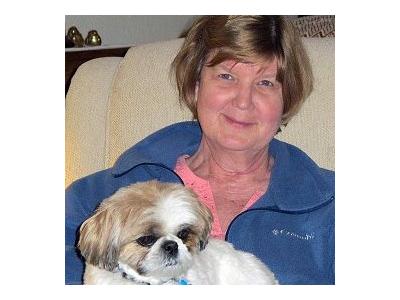
Since then I am rarely lonely, but moving to this rural area in 2014 has been a challenge in that department. I so rarely meet someone here I can truly relate to, partially because of differences in upbringing and education levels. In the past I made friends at work and in my exercise classes. I still miss a few good friends I made at the Senior Center in Fort Collins.

I’m now retired so I have tried to make friends in my La Veta yoga class, which I attended for a few years, but to no avail. I have also tried a few other groups like writing groups, support groups, etc. No friendships have emerged. Quality connections are hard for me to find in this environment, but I will continue my efforts. Afterall, I just need one or two more friends to have “four really good friends!”

A few things I can never do again…

The interview with Linda Ronstadt on CBS Sunday Morning this week was poignant. She learned that she had Parkinson’s Disease in 2000 and has since lost her ability to sing. She is however making the most of it:

“These days she spends much of her time reading. “I can’t do a lot of things that are active,” she said. “I can’t spend very much time on my feet, or even very much time sitting up. I have to kind of lounge around. But I’m lazy, so it’s a good thing that I lounge! So, I’m glad to have the leisure time. I have a huge stack of books that I need to read.” 

 Does she think much about singing now?

“Oh, I can sing in my brain; I sing in my brain all the time. But it’s not quite the same as doing it physically. You know, there’s a physical feeling in singing that’s just like skiing down a hill, except better, ’cause I’m not a very good skier!”

This is how I feel about so many activities I did in my previous life as a long-distance walker and high elevation hiker. Not to mention the many things I loved like yoga before my arm and shoulder began hurting constantly.

Laura and rasta close upThis is one part of aging that is very hard to take, and yet it reminds me how fortunate I was to have at least experienced these things at some point in my life. And for all of you who feel what I call ‘pathologically optimistic’ about my limitations, between a traumatic brain injury, fractured ribs and COPD which barely allows me to live at 7000 feet, these disabilities will not be changing in this lifetime.

What I find particularly difficult to deal with are the doubters and blamers I sometimes run into. They have no compassion for my losses, but instead blame me for my injuries. They judge me instead of supporting my difficulties, perhaps because they have not experienced any serious limitations yet themselves.

I felt quite strong through most of my 50s. I injured my brain and my ribs on a bike ride through Fort Collins in 2008. My 60s have been extremely challenging so far, and it doesn’t help when I feel criticized and judged for my limited ability to be active. Now I must carefully pick and choose which activities I can complete and enjoy. Everything takes more breathe and effort than in the past.

We will all experience disabilities as we age. We will all die. Please don’t blame others for reminding you of that.