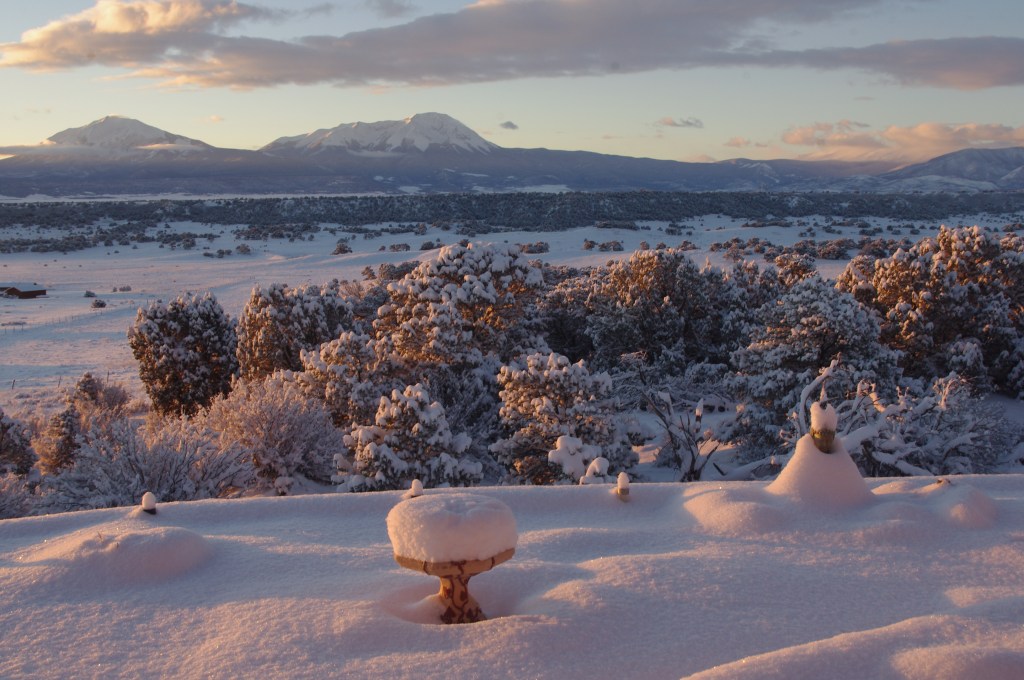
How Native American traditions could help us

“Doctor my eyes, I cannot see the sky. Is this the price for having learned how not to cry?” -Jackson Browne
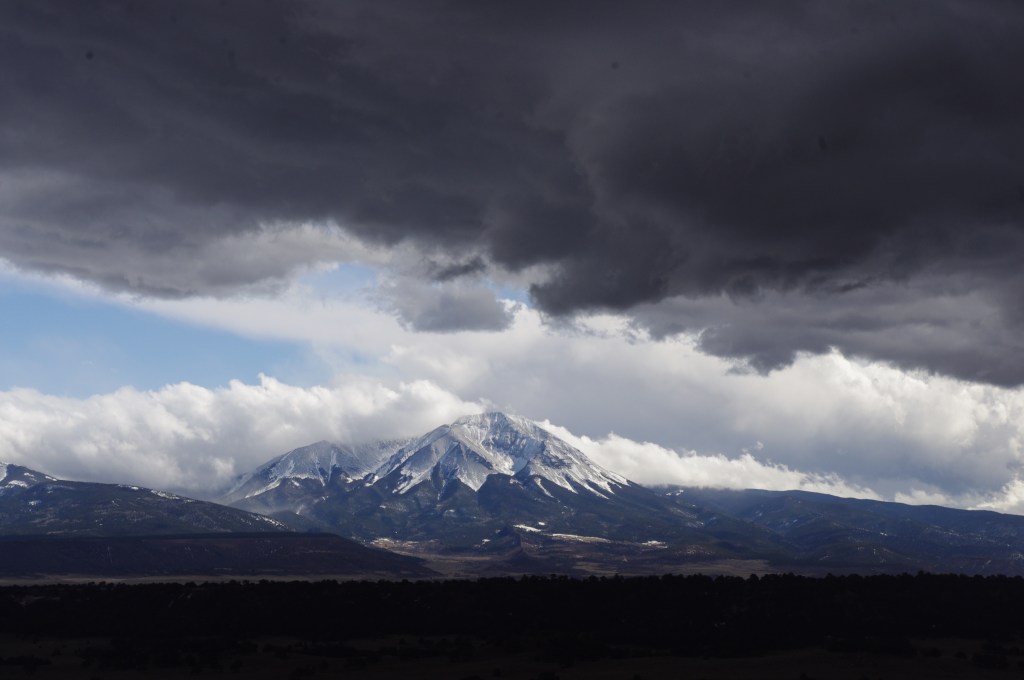
Losing my father has brought up so many new thoughts about my upbringing. Strange how I feel freer to question all this after his death. Lately I feel like I may have been raised in the wrong family at the wrong time in history. What has stimulated this thought? Watching a new series called “Native America” on PBS. I can highly recommend it!

When I started watching this program I got lost in it immediately. Everything they were saying rang true and captured my imagination. Did I mention the first stories I ever enjoyed reading, writing or drawing were about Native Americans and their ponies?
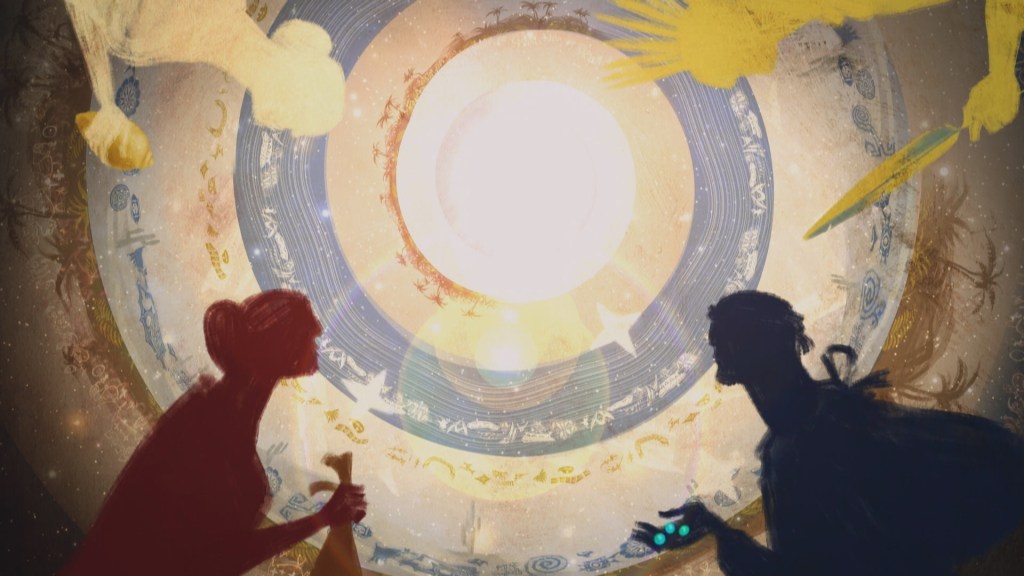
Native American creation stories are wonderful. So much imagination, something I was not allowed as a child...

Most importantly, the concept our European-American culture has so completely missed is that we should all see ourselves as ‘Caretakers of the Earth.’

How can we honor our true Mother? By taking good care of her.

I also so related to the first episode: “From Caves to Cosmos.” It is about how the ancient Amazon Peoples slowly migrated up through the Americas, always seeking the right place, or what they called “the center place.” This is the place where we feel most centered with the landscape, the weather and the cosmos. I never completely understood this concept until I found my ‘center place’ here in southern Colorado. This is a spiritual concept, not to be understood until you feel it viscerally. I felt I had to write down this phrase immediately:

“When you enter a new landscape, you become a new kind of person.”

This best describes how different I felt after settling into our high desert perch. I felt at home in a way I could not even have fathomed before. The silence, the direct connection with nature, the overwhelming sense of belonging, were instantly clear to me.

The other concept our culture has so woefully forgotten or ignored is a strong and positive sense of community. When we confronted those ‘savage’ Native Americans, we were well into the “ruggedly independent” American phase, especially out West, the Manifest Destiny and all that crap. We saw ourselves as stronger and smarter so we should certainly defeat these weaker Native peoples. Of course we weren’t the only country who massacred or subjugated indigenous tribes. It happened all over the world with colonialism. That does not, however, make it a good thing!

In fact, I see so many of our cultures’ worst problems being caused by no sense of community or belonging. The epidemic of loneliness, drug addiction and now high levels of suicide reflect how alone so many of us feel in a culture that encourages independence instead of interdependence. I was raise to be super independent and it took many decades and a lot of counseling for me to realize that this strong sense of independence and lack of trust was not serving me. I found my life far too lonely so I changed.

We have lost and continue to lose so much wisdom by ignoring the teachings of the Native Americans who are left on this earth. This PBS series is proof of that. See it and expand your mind. While you’re at it, send PBS some money so we can continue to enjoy these alternative viewpoints.
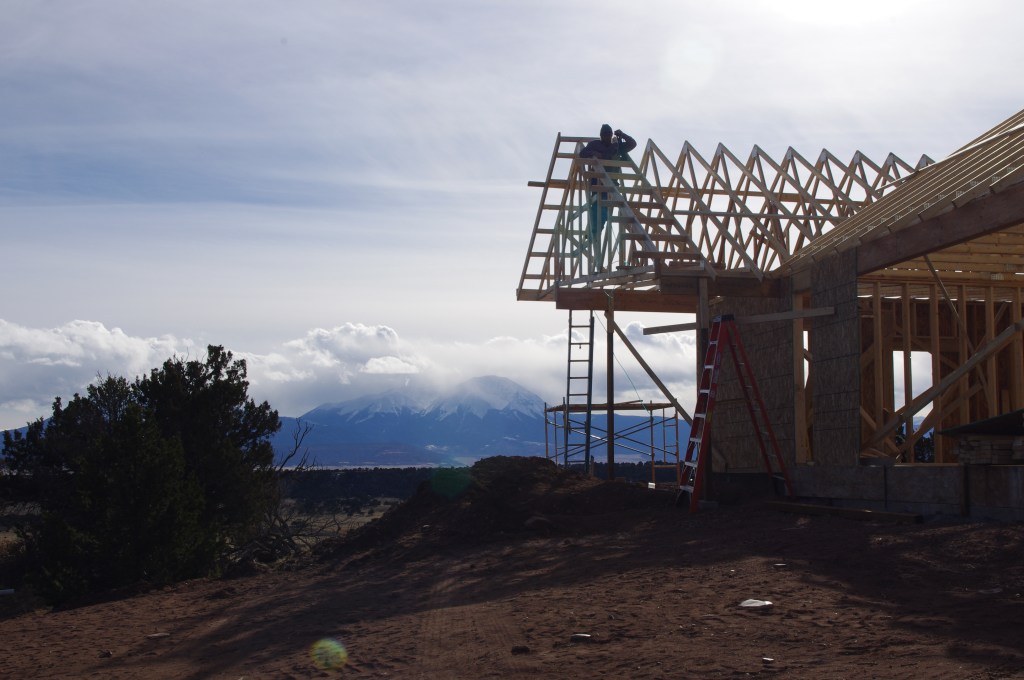
Pandemic leads to increasing interest in rural living… and I know why!

AS soon as this worldwide pandemic hit, I thought to myself, we could not be in a better place to sit this one out. This has turned out to be so true! First of all, we do not normally see other people all that much. We have a few acres around our home and rarely need to go into town, which is only a few thousand people strong (Walsenburg, CO), and as it turns out, we only have one case of Covid-19 so far in our entire county.

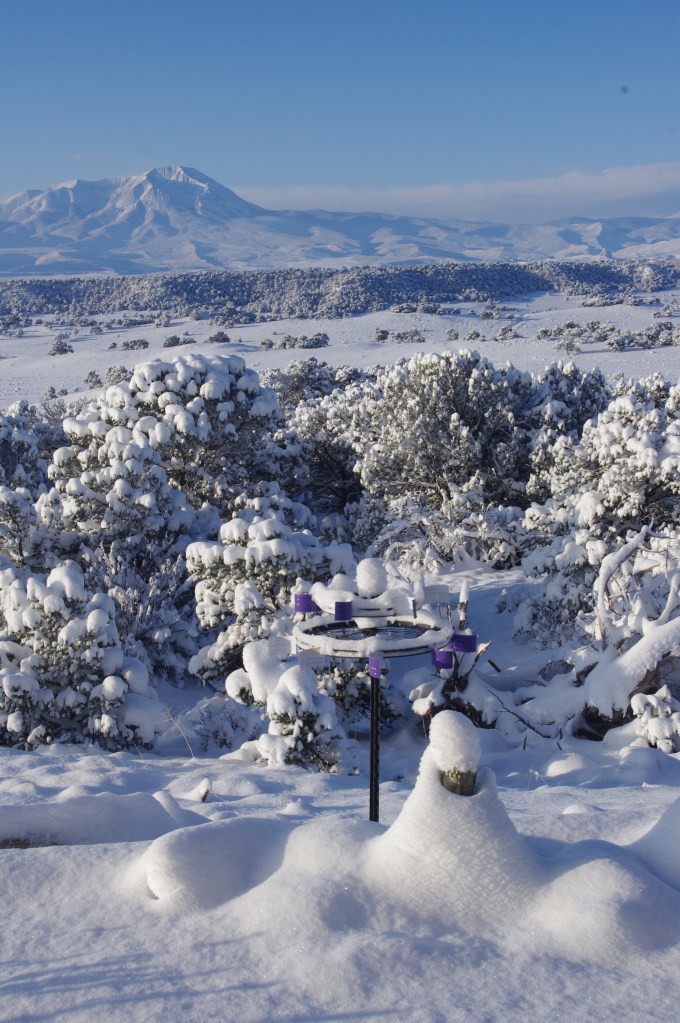
We started building a passive solar home in 2014, with a 180 degree view of the Sangre de Cristo Mountains

Officials have severely limited the number of people who can come into our county and if anyone turns up with the virus, they are immediately transferred to a county north of us for treatment. We do not have the proper facilities to treat such a serious illness here. This has all been great considering I am now over 65 and have severe lung disease.

So yesterday I read a real estate article that states:

“Rural demand is much stronger right now than urban demand, and that’s a flip from where it’s been for the longest time, where everybody wanted to live in the city. We’ll see how it comes back, but there seems to be a profound, psychological change among consumers who are looking for houses.” 

My May 2019 garden looking towards the snow-capped Spanish Peaks

We moved down here to southern Colorado for many reasons, and a pandemic was not one of them. We were sick and tired of sitting in traffic up in Fort Collins and hearing traffic noise CONSTANTLY!

I figured I only had so many years to live, and I didn’t want to spend one more minute of that time sitting in TRAFFIC!

We found we loved the clean air, the natural silence, native plants and wildlife here in this pinon juniper woodland area. At first I thought I might find the lack of people here difficult, but that simply was not so. I found a few friends out here and others in town.

I also gravitated to a few new hobbies like landscape photography and native plants gardening. All in all this has been a great choice for our retirement…and to sit out an international pandemic!

We have fallen in love with living in tune with the sun and seasons, waking up each day amazed to find ourselves in such a beautiful, quiet, natural place…

Are you ready to follow your dreams of country living? Go read my memoir to help YOU decide!

Please feel free to contact me: MidlifeCrisisQueen@gmail.com

follow us on TWITTER!

The Power of Music

“I get knocked down, but I get up again, cause you’re never going to keep me down!” – Tubthumper by Chumbawamba

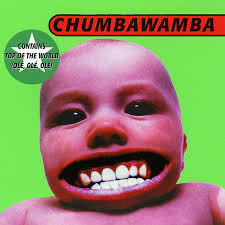
Do you need a great cheer leader right about now to pick up the old spirits? Go listen to this song….NOW! This is one of my personal favorites, the album TubThumper by Chumbawamba. I first heard about this album via our old friend Tarryne who told Mike about it ages ago. Then he played it for me when we first met, and it soon became one our favorite rebellion records. I find it perfect for the Baby Boomer generation. Of course it came out in the USA in 1997.

Chumbawamba was a British rock band that formed in 1982 and ended in 2012. The band constantly shifted in musical style, drawing on genres such as punk rock, pop, and folk. They even shift musical style in the middle of songs, but their lyrics are the BEST! Very catchy to me.

Words like these from the song Amnesia:

Do you suffer from long-term memory loss? I don’t remember…

See what I mean? I can relate! And the words in the song “One by One” seem especially appropriate to what we are facing today:

If any ask us why we died, tell them that our leaders lied. Sold us out down the riverside. Whose side are you on?

Did I mention this album is about revolution? Even more appropriate in these times when we witness supreme idiocy at the top, tell me, who do these lyrics make you think of?

Believe every half-whispered half-remembered lie, where truth is a luxury they can’t afford to buy. Scapegoat. Looking for a Scapegoat.

There’s always someone else for you to blame…

Reminds me of my ex, and especially Donny dumb dumb, you know who I mean!

A Celebration of 65!

Somehow, I never saw myself looking forward to turning 65, but I feel great about it. I am now happier with my life than I’ve ever been. I find aging liberating! One important lesson I have learned through my past 64 years, is how great challenges can lead to great awakenings.

My first major lesson in this was when my life fell apart around age 49. A few years after my divorce I lost my job, which then led to to the end of my 25-year career as an academic librarian. Depression and devastation soon followed. Then I got creative and started my own version of a dating service as a distraction from my sadness. That turned out to be lots of fun and then, through those efforts, I met my new husband Mike.

Having time to think, seek career counseling, and experiment opened my mind up to everything new I had ignored up until then, like the career I had always desired. I became a writer, with books and a killer blog called “Midlife Crisis Queen!”

Five years after that Mike’s job got sent to China, so what did we do? We sold our beautiful home in the Fort Collins suburbs and moved down south to rural Colorado to build a passive solar home with a killer view!

Even in the past few years I have worked hard to change a few difficult bad diagnoses into a total appreciation of health. Yes, I struggle to breathe at times, but I’m still here enjoying our new home with its fantastic sunrises and sunsets everyday.

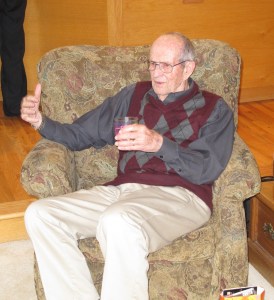
This week my father died. My Dad, Dr. Jack L. Carter, led a truly amazing and powerful life. He believed fiercely in SCIENCE and came to be known as a proselytizer for scientific and rational thought. He taught biology and botany classes at Colorado College for decades, wrote BSCS high school biology textbooks, and then started writing his own books like “Trees and Shrubs of Colorado.” Yes, his death is very sad for my family and others who knew him, but it helps me to appreciate my own life even more.

Daily I appreciate the fact that I have lived long enough to see how life works. Yes, life includes periods of great pain and suffering. That’s the challenge that makes the successes even more joyful!

That’s what makes me want to go on…

Fort Collins versus life outside of two small Colorado towns

Yesterday, while waiting for Mike in the car at the Big R store in La Veta, I started thinking about how our lives would be different if we still lived in Fort Collins. We only go into Walsenburg or La Veta Colorado every few days when we need to do something or buy something. We generally go to Walsenburg for groceries and La Veta for the library, the great bakery, yoga or to see my one friend there.

It seems funny that after over five years I still compare in my mind how my life has changed by moving to rural Colorado. If we were still in Fort Collins we would be spending a lot more time standing in line in traffic. That’s for sure! And that is what I so wanted to leave behind. Of course I rarely had trouble breathing in Fort Collins, but I was breathing in lots more toxins everyday there.

Mainly I remember standing in line for just about everything in cities. Sure there are lots more choices of placing to go to buy things, but there were almost always lines at the grocery store or anywhere else. I have had to get used to NOT HAVING crowds and lines here. I still sometimes think, “We better hurry. There might be trouble parking or lines…” But then I remind myself that there never are lines, even at the two stoplights in Walsenburg, which we can generally avoid by going a different way.

Mike and I talked about it on the way home from La Veta yesterday. We agreed that the only time this rural area gets “busy” is in the summer. That is when the city people come down to escape the city. Then things do change a bit. The summer busyness sometimes reminds me of cities, because city people are so pushy and anxious all the time. Their life back home does that to them. How do I know this? Because I used to feel this way myself.

Especially with the difficult changes in my health in the past few years, I feel I belong in a place where things move much slower and the people I meet are more likely to help me when I need it. It is definitely less of a ‘dog eat dog’ world down here. It’s like when we still lived in Fort Collins and we would drive down here for a few days. I always noticed when the traffic on I-25 switched from “Get the f*** out of my way!” to a more relaxed, non-judgmental style of traffic. I still notice that now when I need to go up north. I truly dread the traffic up there now.

That is one of the many reasons I LOVE coming back home.

Surprise! None of us get out of this alive…

“America is the only country in the world that looks upon death as some kind of personal failure.”

As we age, it is natural to contemplate more often the inevitable consequence of life, our own death. I know that since I experienced a serious brain injury at age 53, with hours of spontaneously moving in and out of consciousness, death has become a fascinating topic for me. I often wonder if unconsciousness is what death feels like. If so, it may not be so bad.

Then as I entered my 60s and personally experienced too many new ailments and disabilities, I wondered again when and of what I would die. I also learned something important about our culture: Even if we Americans don’t see death as a personal failure, we most certainly see illness as one. Ever since I moved from the healthy column to the older, not so healthy column, I have noticed many treat me quite differently. But aren’t I the same person with equal potential?

This all reminds me of a patient I treated in my counseling internship in a rehab hospital. When this elderly woman became ill and ended up in the hospital, the only question on her lips was,

“What did I do to deserve this?”

That has been the realm of religious leaders and philosophers forever. How do we make sense of this thing called life and death? That must be where our judgment of those “failures” who have the indecency to die comes from. When we are still among the living and healthy, it rarely seems likely that we will die someday.

I am reminded of a very cynical MD I met once in Boulder decades ago. I remember him telling a story about one of his theoretically healthy patients. The doc was given the unenviable task of telling this person that they had cancer. The patient’s response?

“I can’t have cancer! I run ten miles a day!”

If you like to play the odds game, the top 10 causes of death in the USA are heart disease, cancer, unintentional injuries, chronic lower respiratory diseases, stroke, Alzheimer disease, diabetes, influenza and pneumonia, kidney disease, and suicide.

Please note number ten on this list, the rate of suicides among Americans. This rate has risen since these statistics came out in 2017. And speaking of suicide, let’s give Camus the final word on this topic:

“There is but one truly serious philosophical problem, and that is suicide. Judging whether life is or is not worth living amounts to answering the fundamental question of philosophy…These are facts the heart can feel; yet they call for careful study before they become clear to the intellect.” -Albert Camus