Winter Solstice & Gratitude

In the cool darkness of the early morning, my thoughts turn to the billions of people who have come before me. How difficult must their lives have been. I am reminded of the quote from Thomas Hobbes (5 April 1588 – 4 December 1679), considered to be one of the founders of modern philosophy. Back then, he described human life as ‘nasty, brutish and short,’ which serves to remind us of what a good time and place we were born into.

In spite of my own very human problems, I feel fabulously lucky to have lived the life I have been given. Living in a time with access to nutritional food, heat in our homes, nice clothes, vaccines, comfortable transportation to almost anywhere and access to an excellent education, books, media, wonderful music, we must be some of the most fortunate humans in history! And yet, all we do is complain… We seem to lack perspective.

The Shortest Day

The Winter Solstice in Human History

The winter solstice was a special moment in the annual cycle for most ancient cultures back to the neolithic. Astronomical events were often used to guide activities, such as the sowing of crops and the monitoring of winter food reserves. Many cultural mythologies and traditions are derived from this.

This is attested to by physical remains in the layouts of some ancient archaeological sites, such as Stonehenge in England and ceremonial structures in New Mexico’s Chaco Canyon. The primary axis of these monuments seem to have been carefully aligned on a sight-line pointing to the winter solstice sunrise and the winter solstice sunset at Stonehenge.

To the Ancient ones, the winter solstice was immensely important. They were economically dependent on monitoring the progress of the seasons. Starvation was common during the first months of the winter, January to April (northern hemisphere) or July to October (southern hemisphere), also known as “the famine months.” In temperate climates, the midwinter festival was the last feast, before deep winter began. Most domestic animals were slaughtered because they could not be fed during the winter, so it was the only time of year when a plentiful supply of fresh meat was available. The majority of wine and beer made during the year was finally fermented and ready to drink at this time.

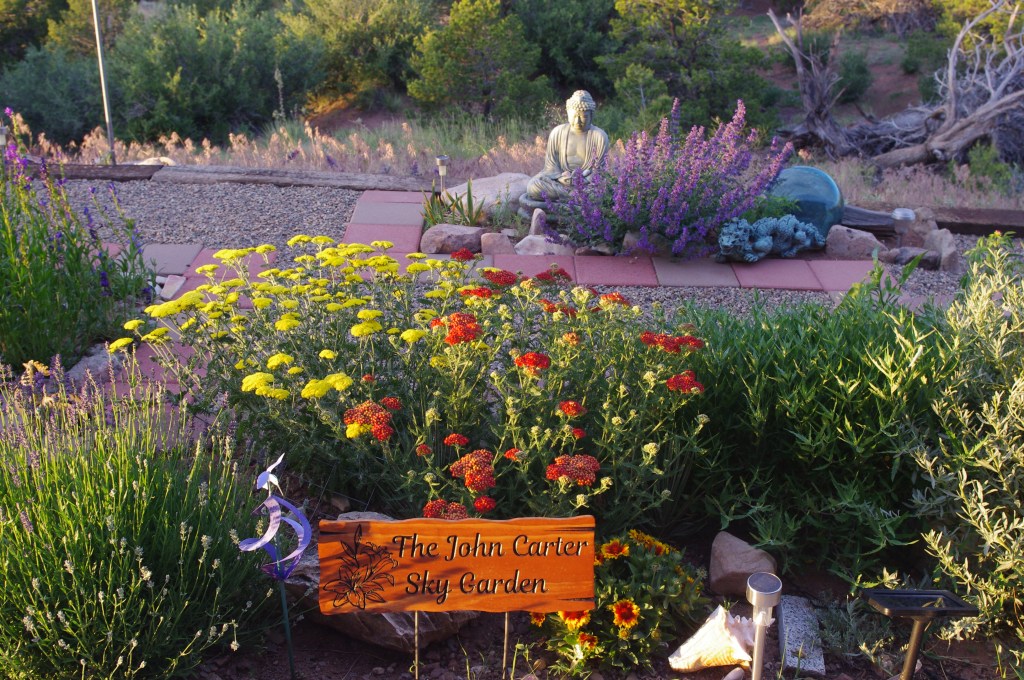
I have found this day to be a good time to count my many blessings. The sun will return to bring spring to warm the earth and make my sky garden bloom again. So yes, we do have so much to be thankful for. Let us all rejoice!

What have I found to be healing?

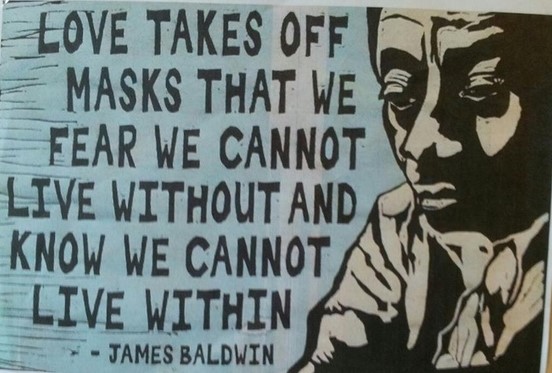
I’ve been thinking a lot lately about our use of the word “healing” in normal conversations. There can be no doubt that many who have defined themselves as spiritual healers have plundered this word to gain the trust of those who feel unhealthy, unhappy or incomplete in their lives, but what does it really mean?

Definition of healing: according to the Oxford English Dictionary, the process of becoming or making somebody/something healthy again, OR with physical damage or disease suffered by an organism, healing involves the repair of living tissue, organs and the biological system as a whole and resumption of functioning.

I have been incredibly lucky to have experienced mostly good health in my life. Even as I suffered from many emotional challenges, I kept my physical health, mostly. It has only been in the past six years that the physical difficulties arrived. In my past, my struggles have tended towards emotional.

This morning’s sunrise from our home in rural southern Colorado

Emotional Healing

I finally found a truly ‘healing’ therapist in my thirties in Boulder and met with her for over five years. She provided for me my first trustworthy relationship in my life and then proceeded to offer me reframing and reparenting therapy, which showed me why I had suffered so much in my past and how to move forward in a more healthy way. This is why I believe strongly that most could benefit from finding the proper psychotherapist and spending a few years building trust with them. There is no doubt in my mind that this therapist saved my emotional life and set me on a much healthier path towards full-personhood. But this healing therapy required much trust and time to occur. I paid cash for those five years of counseling, and to this day I feel those were the best dollars I ever spent!

Spiritual Healing

In addition to a number of positive counseling relationships with others, I used the skills I gathered from studying counseling at Naropa University for five years, to learn to love and accept my Self, so much so that when I hit a major midlife crisis at age 49, I was properly prepared to change many aspects of my Self. When I got divorced, lost my job and then my career, I found I had the time, the need and energy to spend a year or so alone, deciding what was next for me. That was when I made a conscious decision that my highest priority for the rest of my life was to experience genuine love and loyalty from another person. As soon as that became my most honest and powerful priority, I met someone worthy of my love and trust.

This has been my second most powerful healing experience for the past seventeen years. Learning trust on deeper and deeper levels has made me feel truly safe and happy for the first time ever.

The Healing Power of Nature

My final healing experience might at first appear contradictory. We moved to a rural space in southern Colorado in 2014. At first I was resistant because it was all so foreign to me. I had always lived in cities for my career as a University Librarian. Now I found myself in a bit of a foreign land and it took me a few years to adjust to the peace and beauty of this land…

From the beginning it was the silence that seduced me. Observing sweeping, majestic sunrises and sunsets also gave me a new sense of purpose and peace. I found my city-induced, unconscious level of vigilance slowly melting away as I relaxed into the safety and peace of Mother Earth.

Today I rejoice in the fact that I have found my sacred place to throw my ashes when I die…

In contrast, my health has slowly dwindled by living at 7,000 feet. It took me a long time to accept that I would need supplemental oxygen to continue to live here. Falls and concussions have become more common. No, life is not perfect, but this place still feels like home in the best sense of that word.

When I look out over the Sangre de Cristo Mountains numerous times each day I feel certain I am home…

So, as I look back over my life I see that I needed to learn lessons in loving my Self, loving others and loving the silence and solace of living closer to nature to heal my life. All of these avenues to better health were chosen by me either unconsciously or on a fully conscious level. All I feel is gratitude at this point in my life…

Postscript: After further thought I realized I need to add a few more important avenues to my own healing: pets, art, music, travel, writing, reading, art, color, my still lifes, the weather, photography, gardening, and especially the SUN!

Are all illnesses caused by our minds?

You cannot control how other people receive your energy. Anything you do or say gets filtered through the lens of whatever they are going through at the moment, which is NOT ABOUT YOU.

I met a new person this week who has me quite perplexed. After speaking to her for only a few minutes, she offered me quite a bit of advice. She diagnosed my problems as, “You need to get out of your head to attract good health and healing.” Her swiftness and certainty was disturbing and mildly annoying considering the fact she does not know me at all. She apparently believes all physical ailments are simply a manifestation of emotional problems. Solve those and the illness disappears. This left me wondering, if I told her I have lung cancer, would she recommend better counseling?

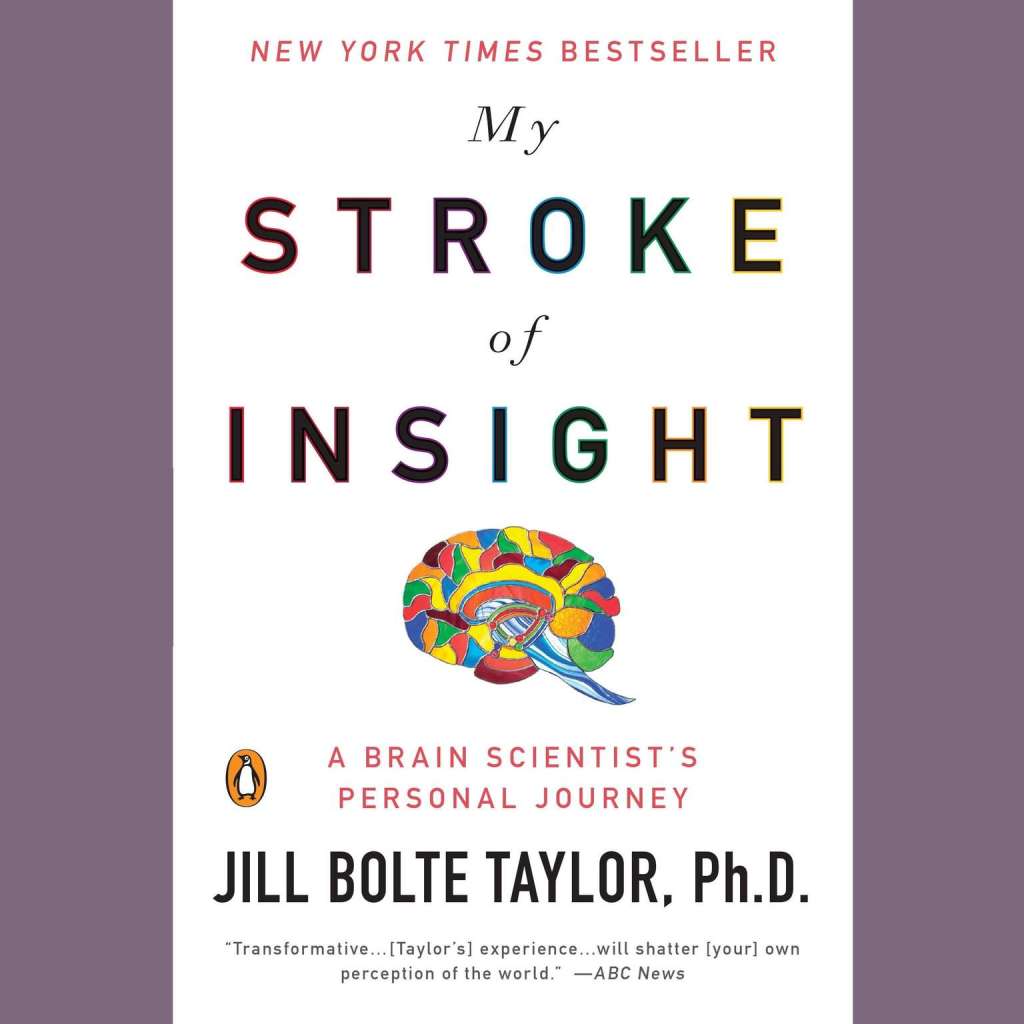
To deal with my confusion I spent some time today talking with my favorite health professional about my exchange with this self-defined “healer.” She first emphasized to me that there is no certainty in the field of medicine. That is why they call themselves “practitioners.” Even what may seem like a perfect diagnosis after months of testing and analysis still has no certainty. So for someone who describes herself as a “healer” to decide after just a few minutes of conversation that she knows how to “fix” me is absurd. That same health professional I once told to “Walk a mile in my shoes!” when she suggested that she knew how it felt to be constantly out of breathe while dealing with a severe head injury. Since then my friend has read and recommended the book: “My Stroke of Insight: A Brain Scientist’s Personal Journey” by Jill Bolte Taylor Ph.D., who experienced a massive stroke at age 37. Now I believe my friend has a much better understanding of what I deal with every single day.

Blaming the victim?

I never forgot an image from my counseling internship at a rehab hospital 25 years ago. I went in to speak to an elderly lady and the first thing she said was, “Why is this happening to me? Doesn’t God love me anymore?” In other words, what did I do to deserve this illness? First of all, we all will die of something. I do not believe we “cause” everything that happens to us. Did Jill Bolte Taylor, a Harvard-trained brain scientist, cause her own stroke? Did I choose or cause myself decades of bronchitis and extreme breathing difficulties? Did I somehow choose to almost die numerous times from hypoxia? What about genetics, air pollution, and my choice to live a stress-filled life in a number of foreign countries?

What do we hope for when we make ourselves vulnerable to others?

What I need from others when I tell them about my difficulties in breathing and concentration is caring concern, non-judgment and, most of all, compassion. I crave exactly what David Richo lists in his book “How to Be an Adult in Relationships.” Drawing on the Buddhist concept of mindfulness, David recommends we offer others our attention (observing, listening, and noticing the feelings at play), acceptance of them just as they are, appreciation of their gifts, limits, longings and affection.

After a lifetime of carefully observing how others respond to pain, I was disappointed with this recent acquaintance. Some run away from pain or change the subject. Others immediately try to “fix” me. When they suggest that they have simple answers to complex problems I have been dealing with for decades, I know they do not know of what they speak.

One of my favorite movies EVER!

Raised in small towns in Iowa and Kansas, my first memories of Asia were greeting my Dad when he returned from his regular journeys to India. He always brought back beautiful souvenirs and slides to show us. As a child, the strangeness of this very different culture halfway around the world, fascinated me. I was also introduced to Indian music and food very early. To this day they are my favorites!

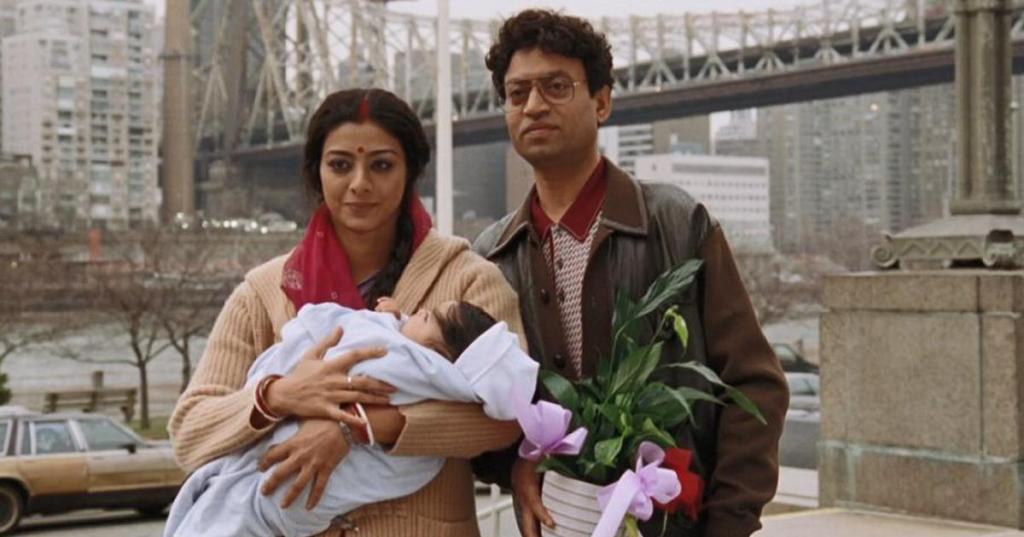
This is all to show you why I fell in love with the film “The Namesake” at first sight this week. The music, from the very beginning, with Tabu’s incredible voice(!), is exquisite. I couldn’t help but wish that this experience came with a lovely, big Indian meal. Mira Nair is my new favorite director. I must see more of her films! But what struck me the most was the emotional depth of her style of storytelling and the beauty of the people of India. That and how much I was drawn to the actor Irrfan Khan, who died this year at 53. He was truly “distinguished and charismatic” and “an enormously valuable bridge between South Asian and Hollywood cinema,” according to Peter Bradshaw of the “The Guardian.” I also loved him in the film “Puzzle” from 2018.

Coming to America….

The story is quite simple. The Namesake depicts the struggles of Ashoke and Ashima Ganguli, first-generation immigrants from West Bengal to the United States, and their American-born children Gogol and Sonia. The film takes place primarily in Kolkata India and the New York City area. I was constantly reminded of generational differences in my own family growing up, as this first generation American family struggled with the different cultures of India and America. And we thought our Dad didn’t understand our generation! Imagine what is must be like if your parents are from a culture a world away.

The film is also an excellent example of the contrasts between Eastern and Western cultures. The East is far more family and community oriented. They find Americans self-centered and even selfish. In the West we do what we please, especially when we are young. Family may become important later for us. I found this film to be a commentary on the toxic loneliness of American society today.

Northern Thailand, 1973

Ever since I lived in Bangkok in 1973-74, I have found Asia to be so different and yet so fascinating. As a teenager I felt almost like I had gone to the moon, everything was just so different compared to Kansas and Colorado. In college, graduate school and in my career as a librarian, I worked to bring these two worlds closer together in the eyes of Americans…

but now I can see that movies like this do the most for us all to truly understand and appreciate our own shared humanity. There is no world that needs this more now than the human race. I found this film so soothing…

Please prepare now for unexpected outcomes

I’m sad to learn that my friend Rena Kaplowski died yesterday, even though she went the way she wished, in her sleep. Her passing has been a bit of a wakeup call for me and perhaps should be for millions of us. Rena had just turned 67 when she suffered a devastating stroke. Weeks of unconsciousness and intensive care followed, and she had just been moved to a rehab center when she passed.

Rena had not signed an advance directive form like Five Wishes which allows each of us to guide important medical care decisions that might be made if we should become seriously ill, decisions like whether we would like to be given life-support treatments. You may think that your loved ones and doctors will know what you want when you are very ill, but in reality, everyone has different wishes and it’s important to make them clearly known. Expressing your wishes in an advance directive helps to empower your family and other loved ones, and your doctor to make the best decisions when the time comes, and avoid disagreements about what to do next. Completing a form like “Five Wishes” can help you and your loved ones gain peace of mind around difficult end-of-life decisions.

The best time to fill out an advance directive form is now, before you face a health crisis. Because life is unpredictable, it’s best to be prepared. Anyone over the age of 18 can use the “Five Wishes” form. It is also a good idea to review and possibly update your Five Wishes advance directive when you experience significant life events like marriage, divorce, having children, or being diagnosed with a major illness. “Five Wishes” was written with the help of the American Bar Association’s Commission on Law & Aging and is used widely in all 50 states. Federal law requires medical care providers to honor patient wishes as expressed.

Remember, you will always make your own health care decisions if you are able to talk with your doctor and understand what is being said. This directive only takes effect when you are too ill to understand or communicate. If you are unable to make your own decisions or speak for yourself, an advance directive and the person you chose to be your healthcare agent, can help direct your care with your doctor.

Do you ever write anything personal any more?

I was astounded by this statistic on CBS Sunday Morning today:

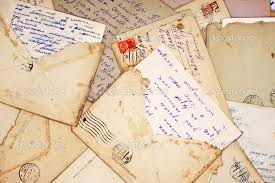
22% of Americans under age 45 have never written a personal letter

When I think back to the many personal, intimate exchanges I had with past friends and lovers, I simply cannot believe that we no longer communicate on that level and in that way. I still have and treasure letters from old boyfriends in my twenties and thirties. It makes me sad, but also amazes me that this no longer happens.

“In the future old ‘love letters’ may not be found in boxes in the attic but rather circulating through the Internet, if people care to look for them,” said Webster Newbold, a professor of English at Ball State University in Muncie, Ind.

Consider this, we are experiencing a loss in what people in the future will know about us. The loss is incalculable. In earlier times the “art” of letter writing was formally taught, explained Newbold. In fact, in old China a person’s character was judged by the strength of their letter writing abilities.

“Letters were the prime medium of communication among individuals and even important in communities as letters were shared, read aloud and published,” he said. “Letters did the cultural work that academic journals, book reviews, magazines, legal documents, business memos, diplomatic cables, etc. do now. They were also obviously important in more intimate senses, among family, close friends, lovers, and suitors in initiating and preserving personal relationships and holding things together when distance was a real and unsurmountable obstacle.”

Aaron Sachs, a professor of American Studies and History at Cornell University, said, “One of the ironies for me is that everyone talks about electronic media bringing people closer together, and I think this is a way we wind up more separate. We don’t have the intimacy that we have when we go to the attic and read grandma’s letters.”

I have found through the years that writing helps me realize more clearly how I feel, and what I really need to say to those I love. The process allows me to crystallize my thoughts, and then tell the other my most intimate feelings. Is that practice also gone? Will there be no physical record of any of this in our future? This more than most changes to our culture makes me glad that my days on earth are minimal.