BIRTHDAY JOY and how to get some!

Some might say celebrating turning 64 is crazy. What can be great about being 64? Number one, I made it this far without losing too many parts or major skills. There’s something to celebrate! Second, my Mom (who is 85!) is thrilled. And finally, we already have social security and Medicare is coming soon, hopefully before Trump kills off our Obamacare.

But in my case I have found a number of other things to celebrate. For one, the guy who has been making everybody miserable around here has finally sold his house and moved away! YES! And it’s almost springtime in the Rockies too! My tiny perennials are showing signs of new life after a cold, windy winter.

In the meantime, I feel complete gratitude for the sun coming back our way for another spring and summer. It doesn’t take much to make me happy, especially when I live in a solar home!

“What’s it like to move to the Colorado countryside to build solar?”

A Memoir of Retirement: From Suburbia to Solar in Southern Colorado by Laura Lee Carter, M.A. Librarianship, History and Transpersonal Counseling, is a book that attempts to answer that question…

In June 2014 we packed up or got rid of most of our worldly goods, sold our nice house in suburbia (Fort Collins) and took off to stay in an old miner’s cabin, while we built a direct-gain passive solar home with spectacular views of the Sangre de Cristos, west of Walsenburg, Colorado…
What matters most to you in retirement? Do you need to feel useful?

retirement living for yourself

Before I went to read (The 4 Things That Matter Most in Retirement) an article over at Next Avenue, by an expert on “the difficult transition from work life to an encore career in later life,” I made a list of what matters most to me as I turn 64. What’s on your list?

  1. Health and physical comfort (I live with COPD and quite a bit of pain)

  2. Lack of major worries like physical safety, money, feeling secure, etc.

  3. Being surrounded by love and family

  4. The enjoyment of being present with the natural world that surrounds me

  5. I would want to add a mindfulness and gratitude practice here

I find the author of this article assumes too much, assumptions I made before I hit the ground face first in a serious bike accident and then turned 60. Assumptions like I would feel and be as healthy as I had been most of my life, or that I would be ready to take on a “new career in my third age.”

After a traumatic brain injury and COPD, a second career is out of the question for me. I do continue to write here for two reasons, I enjoy the brain challenge and I like to interact with others in this way. I find one major issue for many as they retire is the desire to “feel useful.” I know some need to feel useful much more than others. This I attribute to early brainwashing that says,

“You have no right to be here unless you are useful or productive in some way.”

Do you remember the first time you felt useful? When was the last time you felt truly useful? Do you need to feel useful to feel good about yourself?

I was raised with a strong work ethic. Feeling useful and especially “productive” has been what my life was about before we retired to rural Colorado in 2014. In the past few years, as my health declined, I fought a hard battle with myself and eventually came to the conclusion that being here and finding ways to be content was enough. Those of you who have the “feel useful” gene know exactly what I’m talking about here. How have you dealt with it?

Acceptance releases everything to be what it already is.

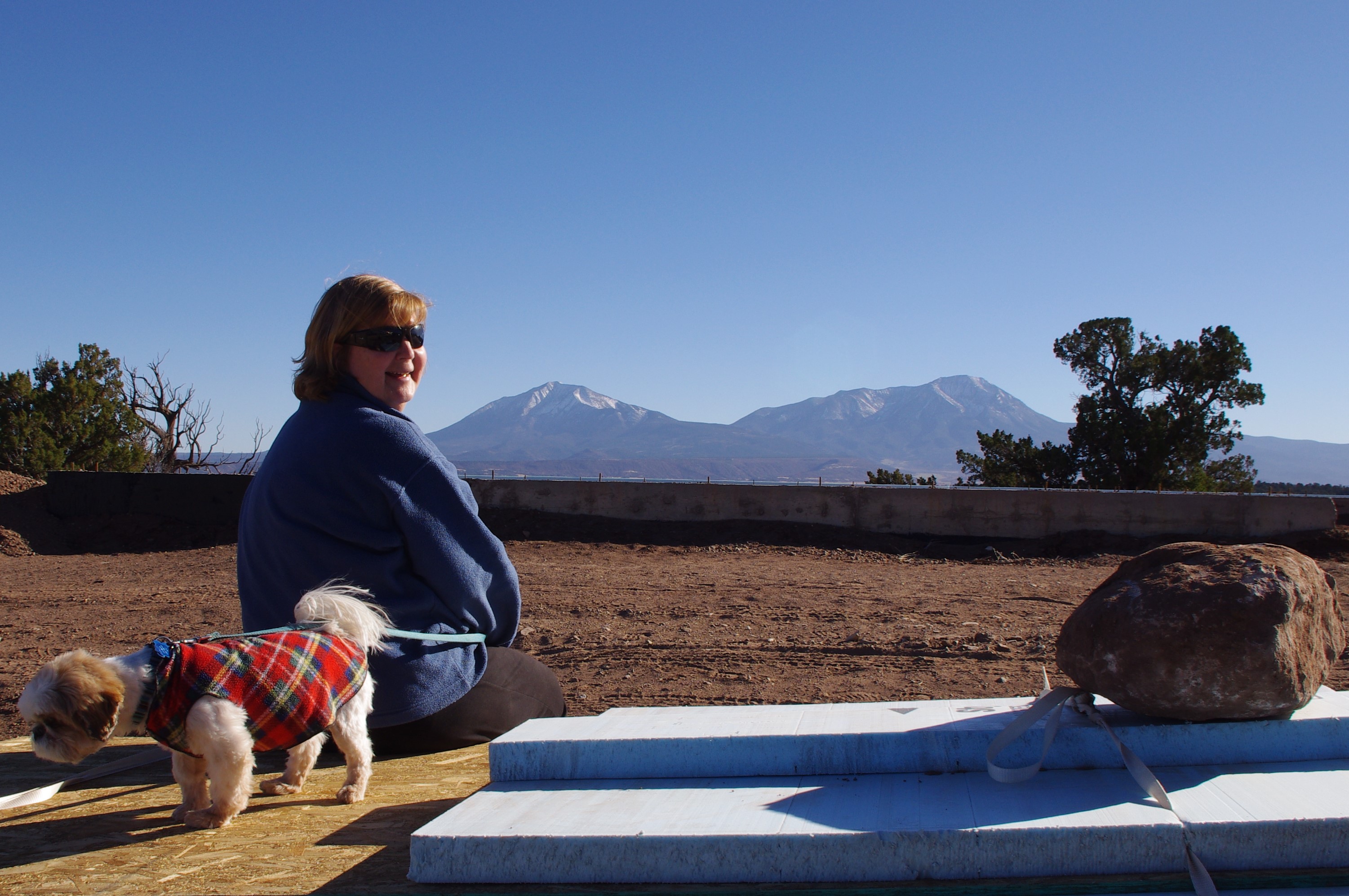
laura and rasta on insulation 2014 (2)

A Memoir of Retirement: From Suburbia to Solar in Southern Colorado by Laura Lee Carter, M.A. Librarianship, History and Transpersonal Counseling, is a book which answers the question: “What’s it like to move to the country to retire?” In June 2014, we packed up or got rid of most of our worldly goods, sold our nice house in suburbia (Fort Collins) and took off to stay in an old miner’s house while we built a direct-gain passive solar home with spectacular views of the Sangre de Cristos, just west of Walsenburg in Navajo Ranch, Colorado. It was not without fear and trepidation that we landed here, ready to invest our life savings into Huerfano County, the place of the orphans.


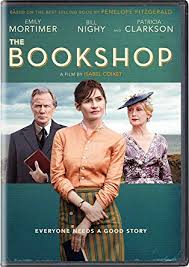
“The Bookshop” is a lovely little film

Although I have no intention of turning this blog into a book and film review center, I just keep seeing so many wonderful small films I cannot quit thinking about. You see, I have to wait until these films become available through my local public library before I can enjoy them. I admit that I’m behind the times, but that does not diminish my enjoyment. Yesterday, I found this 2017 drama written and directed by Isabel Coixet and based on the novel of the same name by Penelope Fitzgerald, brought back so many poignant memories from my own life.

the Bookshop 2017Set in the small coastal town of Hardborough, Suffolk, in 1950s England, Florence Green, a WWII widow, sets her sights on making her home and opening a small bookshop in an old, abandoned property. This has always been her dream. Along the way we observe the ins and outs of being new to a small village much like my own experiences since we moved here in 2014. She does make a few good friends, most notably an old, bookish recluse gentlemen played by one of my favorite actors, Bill Nighy (he reminds me of my husband a bit) and a young girl named Christine, who she hires to assist her in her shop.

From the very beginning the scenes in this film remind me of my upbringing and lessons learned. At the beginning Florence has a special dress made to wear to a party put on by one of the richest and most influential local residents, Mrs. Gamart. Her dressmaker convinces her that this red dress is just the thing, in spite of her inner wisdom that says no. At the party Florence is completely uncomfortable and conspicuous in her red attire, reminding me of my Mom’s advice from time immemorial: good girls don’t wear red.

The young girl Florence hires to help her, Christine, reminded me of myself around her age, especially her belief that “boys are repulsive.” In the end, the innocent Florence, who is full of pluck and courage as she pursues her life goal, must learn the hard way how horrible some people can be, reminding me of how appalled I was when I was fired from my final job as a reference librarian at Regis University in 2004.

cool brain bookshelfFrom the very beginning of this film I was reminded how strongly I feel about promoting intelligence and freedom of information, going back to my first jobs as a Government Information Librarian in the 1980s. I see myself now as a crusader for books, the power of words, writing, knowledge and intelligence. I have found that there can be a tendency, especially in small towns and in rural America, to criticize those who are better educated. This does not serve any of us.
Education is the only way for us to maintain a healthy democracy. Ignorance is NOT bliss.

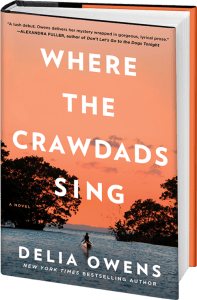
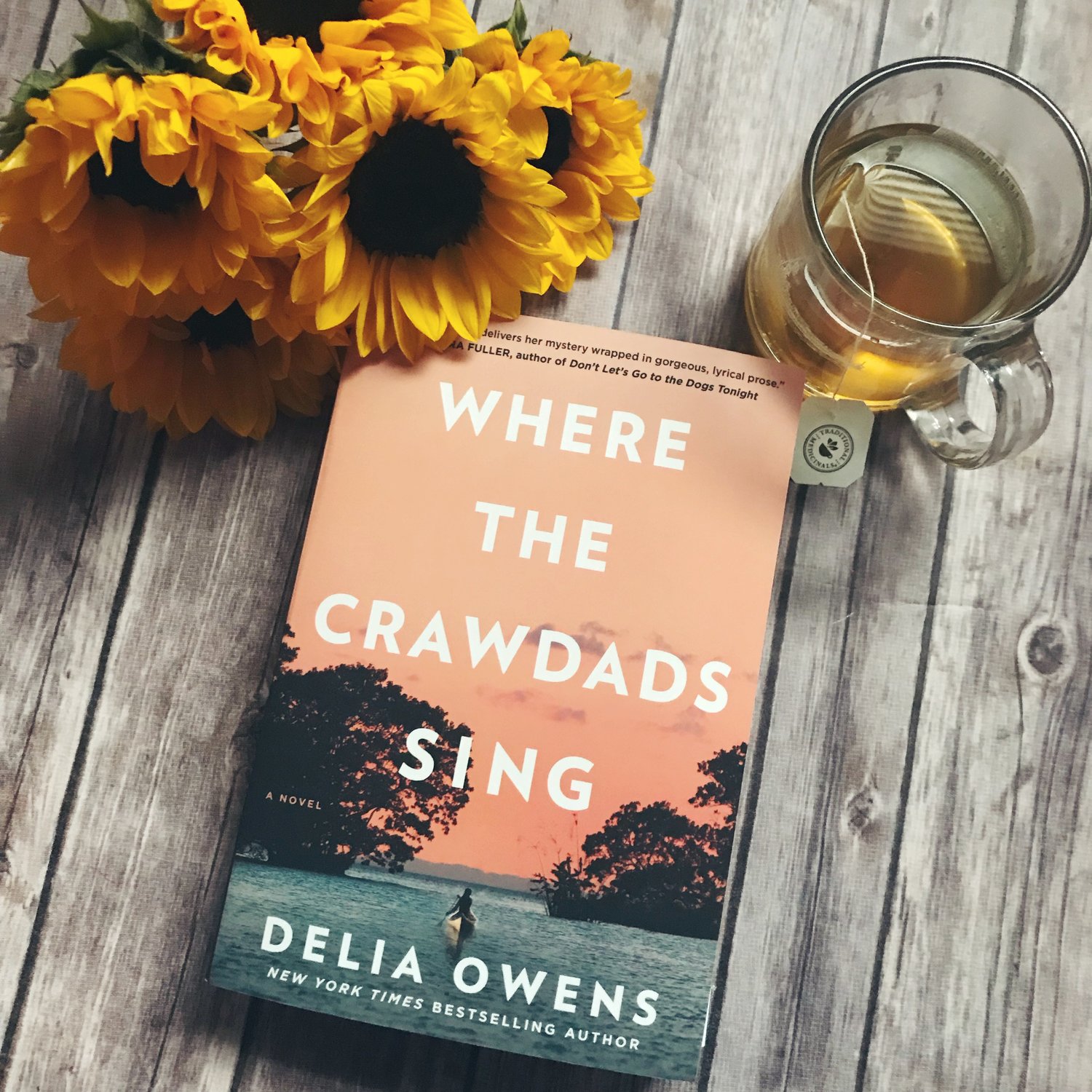
A Review of “Where the Crawdads Sing” from a Naturalist and Psychotherapist’s Perspective

I just finished reading this novel yesterday, and I would name it the best nature-focused novel I have ever read, this from a reviewer who idealized Jane Goodall as a teenager and wanted to grow up to study animal behavior just like her, in nature’s most beautiful and wild places. The author, Delia Owens, shows such sensitivity and intelligence in describing the natural setting as well as her main character, Kya.

where the crawdads sing

Kya was left to raise herself in the swamp country of South Carolina, to fill her days with survival skills as well as precise observations of the natural world around her. She loves her animal friends like the gulls. They are her only companions. We slowly see how Kya is uniquely qualified for this vocation as a natural loner who lives to be encapsulated in pure nature. As she grows and spends time with only a few other people, she learns to read and then she learns more and more about animal behavior.

Chimpanzee 2012 filmOne aspect of Kya’s life I found easy to relate to, was how she observed or read about animal behavior to inform her about human behavior. This comes through clearly as she describes the behavior of the lawyers during her trial. Ever since I saw the short nature documentary film Chimpanzee in 2012, released by Disneynature, I see most human behavior through that lens. Most human behavior can be understood by observing chimps in the wild, where they can truly be who they are. Males are naturally more aggressive, females protective of their young. Try watching a football game sometime through this lens and you will see that we are not so different as we think!

After decades of city living, I moved to a home in rural Colorado five years ago, where I find myself quite close to nature. Here I so enjoy the experience of observing changes in myself and how I see and feel the world around me. The best part is the complete silence here and with less reason for fear and daily vigilance, the natural world has unfolded before me, showing that we were made to live close to nature, not close together in cities. I have learned that city life can literally drive us mad. The perceived threats are everywhere in cities so we naturally keep our guard up at all times, not a healthy or natural way to exist.

IMGP7760

Now that I live out in the country, I feel like I have finally begun to live in harmony with each sunrise and sunset. Now I notice the birds’ songs as spring arrives, free from tension and anxiety, a feeling I have never felt before. That often unconscious and yet ever present stress felt in cities is simply gone.

Inspiration for uncertain older writers (like me!)

Where Crawdads Sing

Have you heard yet the story of Delia Owens? I happened across her story on CBS Sunday Morning yesterday and felt new encouragement. She’s 70 and a loner from way back. Her new and first novel is Where the Crawdads Sing, although she has published non-fiction before (like me). This novel is tough to categorize; it’s a love story, a murder mystery, a courtroom drama, and an ode to the outdoors – all in one. It took her the better part of a decade to write, inspiration coming whenever it came.

I love the way she waits for wisdom even in her sleep:

 “I sleep at night with a little pad of paper in my bed with a flashlight and a pen, and I wake up in the middle of the night and write something down,” she said. “Something that I think is brilliant! And then when I wake up in the morning I’ll look at it and half the time I can’t read what I wrote.” A thousand such moments became little scraps of gold, like this one:

“Sand keeps secrets much better than mud.” That one made it into her book.

I found her whole story so inspirational. I also constantly find ideas or quotes popping into my head, especially in the shower, the source of my greatest inspiration. I must have a million snippets of paper like that, and never use these in my books, and the freedom of writing fiction also excites me.

We’ll see if any of these ideas go anywhere, but in the meantime, I love the fantasy!

How we steal the bright side from ourselves everyday: Try some cognitive reframing

reframing your life

The most fortunate are those who have a wonderful capacity to appreciate again and again, freshly and naively, the basic goods of life, with awe, pleasure, wonder and even ecstasy. — ABRAHAM MASLOW

Although I learned this psychological tool decades ago, I am always re-learning its usefulness in my own life. What is cognitive reframing? Here’s a definition from an article by social worker Amy Morin:

“Reframing is a technique used in therapy to help create a different way of looking at a situation, person, or relationship by changing its meaning. Also referred to as cognitive reframing, it’s a strategy therapists often use to help clients look at situations from a slightly different perspective.”

I have found that choosing a “different perspective” can also be the opposite of what I automatically go to in my own mind.

The point is that we can and do choose how we see ourselves and our lives everyday. 

If we were raised with a critical or negative view of ourselves and how the world works, the way we will see our lives may be destined to be critical or negative, but that is not the only way to see ourselves. That is not the only reality behind our circumstances.

Here is an example from my own life:

In my present life I may tend to focus on all of the difficult challenges Mike and I have faced since we decided that we needed to leave Fort Collins behind for many good reasons. I may choose to focus on how much money we left on the table by selling our Fort Collins home before prices went way up up there, how expensive and stressful it was to build down here in a rural area, etc, making me critical of our past decisions. Or, I may choose to see exactly how fortunate I have been in spite of many tough misfortunes in the past few decades; to be here now, retired comfortably and happily, and most importantly together!

In addition there are the greater misfortunes of Mike’s horrible experience with CFS for decades, my inability to find another job in libraries at age 49, my traumatic head injury at age 53, and many more difficulties that just come up as we age. Considering all of these factors, we are more than fortunate. How can we be anything but filled with GRATITUDE that we made it to this soft place to fall in this beautiful place?

That is how reframing works, and it can be used in all parts of your life on a daily basis…

laura and rasta on insulation 2014 (2)

leading to overwhelming feelings of gratitude, a feeling we could all use more of!

Colorado Rocky Mountain High!