What do we ‘owe’ our parents & ancestors?

As we age and our parents pass away, we may be stumped with questions about our parents’ lives, the choices they made, and how our existence may have affected them. I know I am. I sometimes wonder why my siblings and I were so disappointing to my parents, and what ancestors further back might have thought of the choices we made in our lives.

The Carter Family in 1966

My siblings and I were raised to feel that we owed quite a bit to our parents. My father, the first to go to college in his family, gave us the best educational opportunities to prepare us to become “something great.” The pressure was on to get a superior education and become exemplary in our chosen field. In response my sister excelled and become a role model in the areas of nursing, gerontology and long-term care. I had a career as an academic librarian and writer, and my brother John resisted Dad’s pressure as best he could. We all knew in the end John was a great disappointment to Dad, and I wasn’t exactly his star child either. I think he always wondered what happened to us. Why weren’t we as driven and successful as him.

The real question is, did we owe our lives to our parents? Historically I believe the answer is a resounding yes. Many believe the primary job of children is to be successful, make a lot of money and take care of their parents when they get elderly. That wasn’t the expectation in my family, thank goodness. I think my Dad believed that the success of his children reflected on him, and vice versa. He always wondered what happened to me and especially John.

John building my garden here in 2019

As a psychologist I think I now understand what happened. Children naturally resist being told what to do. They may respond by doing the opposite, or in John’s case, doing exactly what he wanted to do. My siblings and I were plenty intelligent to do whatever we chose to do in life, but our self-esteem was irrevocable damaged by our parents belief that continually blaming and shaming children helps to toughen them up for the “real world.” Big mistake, but the damage was already done by our teenage years. That’s when my brother John told Dad to “fuck off” and left home for good. We rarely saw him after that.

Parents please listen, damaging your child’s self-esteem is a terrible way to prepare them for any world. It can easily destroy their lives. My sister and I were able to find good counseling over the years to remedy the destructiveness of our parents. That was the only way we could recover from such a tough childhood. John never did.

What is under this misplaced anger? Living with loss…

So here’s a lesson I have had to learn only about a million times. Anger is usually a front for avoiding feelings of deep sadness. At the joyful celebration of my Mom’s 90th birthday last week, I felt nothing but anger towards her. I hated the way she seemed to ignore her kids and give all of her attention to the other guests. I got so angry we left early…

When I got home I was still so mad I had to call an old friend for reassurance, because of course I felt guilty for being angry at my poor, confused mother. Then, a week or so later I saw something sad on TV and burst into tears. Deep, boundless melancholy engulfed me. First my favorite pet died and now my Mom and my brother will be leaving us soon. And to make things worse, no one in our medical system understands how to leave us in peace.

The John Carter Sky Garden

I took my brother to his doctor last week and all they can offer him is more ‘tests.” Someone who is close to death does not want or need more tests that are an hour away in Pueblo. He needs comfort and peace. I finally said to the doctor. “He isn’t getting better! How can we make him more comfortable?” So it looks like he may get more home services, which is good, but in the meantime they sent him to the ER yesterday for more tests.. You can probably see why I’m angry.

But underneath it all is just pure sadness. My big brother is dying and I want him to have peace as soon as possible, but I am so sad.

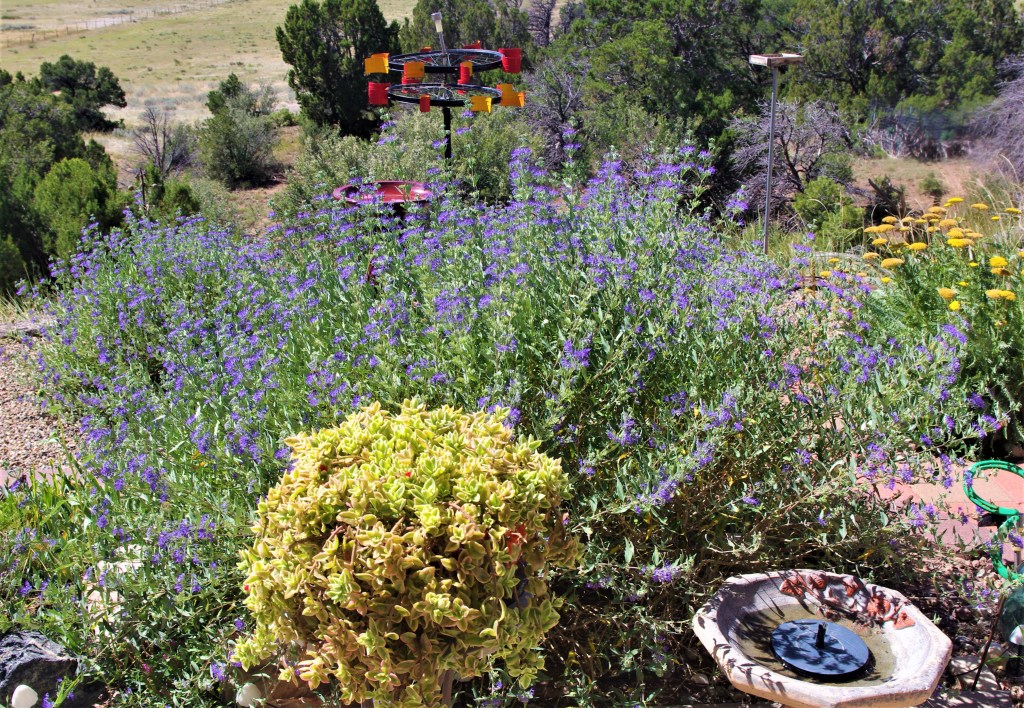
August Colorado Foothills Garden Scenes

Although just north of here has received more than abundant rainfall this summer, we are very low on our Water Year measurement at only 11 inches so far, with less than two months to go. That has been pretty tough on my xeriscape garden & landscape.

But my Blue Mist Spirea bushes are bigger and brighter than ever!

And curiously, all the big sunflowers have sprouted on a hill below our home on the east side.

Our fountain & bird bathes continue to attract all kinds of birds, bunnies, chipmunks, bobcats, badgers…

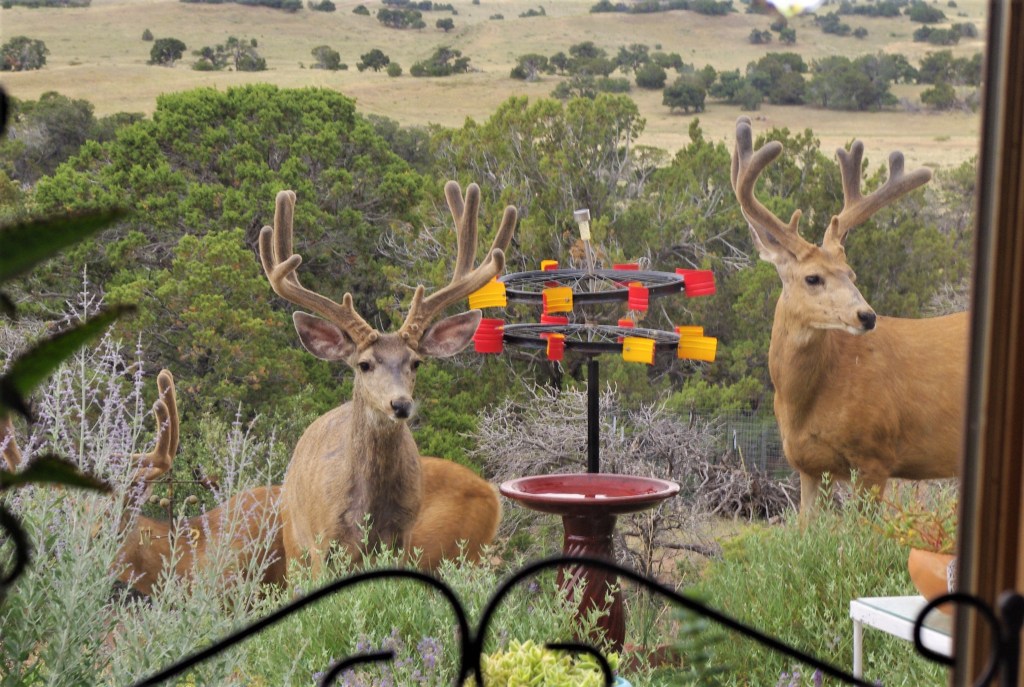
and, of course, deer. It’s so fun to look outside at various times during the day and enjoy their antics.

This year is in stark contrast to the much wetter August of 2021, when we had had twice as much precipitation by this time in the water year! GO SEE PHOTOS HERE:

Observing two different dementia experiences

I just realized yesterday that in the past few years my sister and I have been witnessing two different dementia experiences up-close and personal. Since my father’s death in March 2020, both our mother and our brother have been slowly losing touch with reality. While my sister has taken care of our mother in a “quality” assisted living facility in Denver, Mike and I have been doing our best to assist my brother in a small rural town in southern Colorado. Another aspect of these different experiences is that my mother has retirement funds to spend on her care, while my brother receives all of his care through us, Medicare, and Medicaid.

Our brother John, Christmas 2021

The experience I am most familiar with is that of my brother. He came here at the end 2020 from a lean-to he had been living in near Oak Creek north of Sedona for a number of years. He knew he could no longer live that life with no assistance if he needed it. He had a few health problems then, but he was generally doing well. Since then he has started on supplemental oxygen and various other drugs and supplements. Only in the past year of so has he begun complaining constantly of “total brain fog” and terrible memory lapses.

Our mother (on right) at my father’s 90th birthday party, February 2019

Since our Dad died in 2020, right before the “COVID years,” Mom was forced to live alone for a while. She entered assisted living two years ago as her memory continued to fail her. Hers seems to be more like classic Alzheimer’s disease with gradual memory loss. She no longer cares how she looks or what she wears, and only occasionally reflects on her many losses. However, she is still quite aware that her memory is failing her. This really is the long goodbye for us…

Luckily my sister and I have each other and our husbands to share our concerns and losses, but it is still quite a challenge to watch our family fall apart before our eyes. As my sister says, with her decades of experience in the fields of long term care and gerontology,

“Everyone tells you that aging is tough, but you don’t really get it until it happens to you…”

The Legacy of American Lawns & “Lawn Nazis”

I got a few interesting responses to my last post about re-wilding areas destroyed by farming or other forms of human landscape “improvements.” The 4th episode of PBS “Human Footprint” this week caused me to think further about our American addiction to lawns and lawn care.

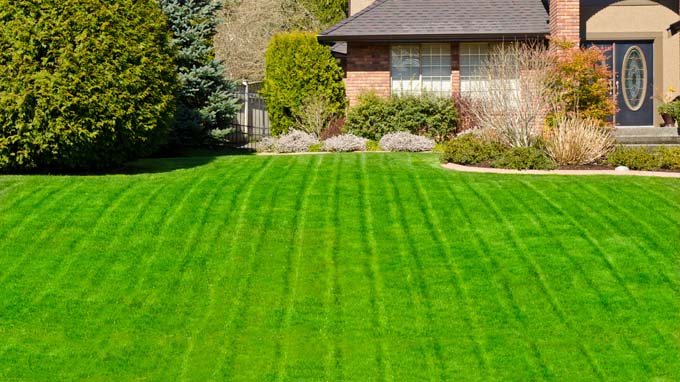
Did you know one 400 acre golf course uses 358,000 gallons of water every day? We have more than 40 million acres of turf in the United States that use over 80 millions pounds of fertilizer per year.

Grass is the most resource intensive plant in our country today.

In a country where we so highly value productivity, lawns are the ultimate in unproductive.

The story goes that we can apparently blame the Brits originally. The old idea of owning your own manor and “estate” added to our own brand of individualism in the USA caused many of us to want to own a home on maybe a quarter acre in suburbia. Our home was our castle, and the surrounding space was our territory to improve and maintain. Although some grasses have American-sounding names like Kentucky bluegrass, most of the turf-grass species we plant in the United States are native to Europe.

We also have a strong tradition from our earliest days of feeling like we had “too much land” (after we stole it from the native Americans). If we farmed it, or ranched it, or timbered it for five years than that land was ours. This set the precedent that we should not just sit on land, we should “improve it.” Every place humans inhabit is made artificial in some way, and in our country that usually involves lawns.

The Lawn is the Ultimate Male Status Symbol, showing how deeply grass is rooted in the American psyche.

Thinking about these American traditions reminded me of how proud my Grandpa Carter was of his small home and yard outside of Kansas City, Kansas. He took so much pride in keeping it perfect with his walking mower and lots of watering. And my own Dad the botanist, a lifelong advocate of leaving things natural, still worked hard to keep a nice lawn around his home.

The younger generations may not be so convinced that lawns are a good thing.

To quote that PBS special: “Grass is a signal. Just having it says that we are part of a community.”

And yet, as Nancy Hill pointed out after reading my last piece, those who don’t choose to maintain traditional yards in suburbia may be ostrasized by HOAs and other nasty neighbors. Covenants can be legally enforced. I had never before heard of the term “Lawn Nazis.” In a country that prides itself in offering “freedom of choice,” when it comes to the land around our own homes, we can be forbidden to plant native plants or go natural.

Rewilding, some positive nature news at last!

If you tire of hearing ever more negative news about how we humans continue to pollute and destroy the earth we depend on for life itself, try watching this five minute story from this week’s CBS Sunday Morning. Trust me, you will be glad you did!

Rewilding: Letting nature take over

Rewilding is a progressive approach to conservation. It’s about letting nature take care of itself, enabling natural processes to shape land and sea, repair damaged ecosystems and restore degraded landscapes. Through rewilding, wildlife’s natural rhythms create wilder, more biodiverse habitats.

By growing native, drought-tolerate plants here, we have encouraged the return of wildlife, birds, bees, etc.

This idea/story offered me a sign of relief, showing me that sometimes nature wins in a great win-win way for people too. This is what my late father was always talking about, letting nature take over, because she did a great job up until now! This is also what we have tried to do on our own three acres in southern Colorado. I just do not comprehend those who buy land in the country and begin mowing the crap out of it immediately. We hated “yard work” when we lived in suburbia, and guess what, all the birds and bees and other wildlife there also could not tolerate it. They need biodiversity to thrive. Rewilding is a form of ecological restoration aimed at increasing biodiversity and restoring natural processes to the land.

Why is it so hard for man to simply leave nature alone to take care of itself? Why are we so convinced that we need to “improve” it? We as a species must learn the answer to this question before we “improve” ourselves into complete extinction.