West of Walsenburg CO


The Sweetness of Doing Nothing

“There’s nothing sweeter than falling in love with the moment we’re given, the only one we have.” — Marcia Smalley
I saw the movie “Eat, Pray, Love” for the first time the other night, and enjoyed it. Elizabeth Gilbert’s journey reminds me at times of my own, except I did most of my traveling in my twenties and thirties, before I settled down to a regular career in libraries. Sometimes I cannot even remember all the countries I have experienced! I count at least 10 just in Asia…
But one line struck home for me, an apparently common Italian phrase: “The sweetness of doing nothing.” In this part of the film a barber is explaining to Liz the difference between Americans and Italians. And the more I thought about that idea, the more I agreed.
In my travels in France and Italy, I was struck by how relaxed and happy most people were compared to us. I can see how Europeans might see us as too busy, too serious, always in a hurry, pressured and uptight. I remember hearing children singing together on their way home from school as they walked the narrow, cobblestone paths of Venice, an indelible glimpse into a completely different way of life.
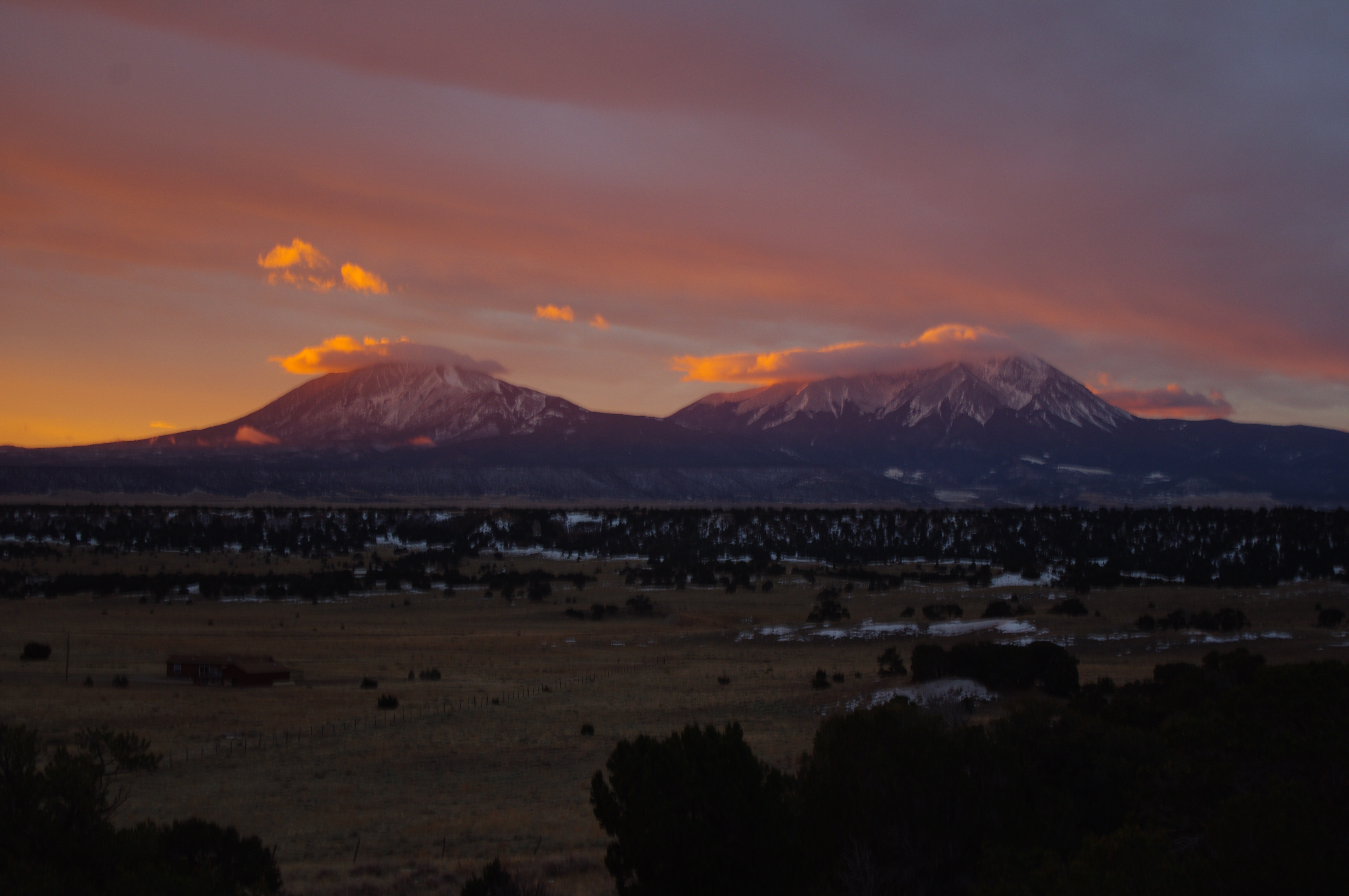
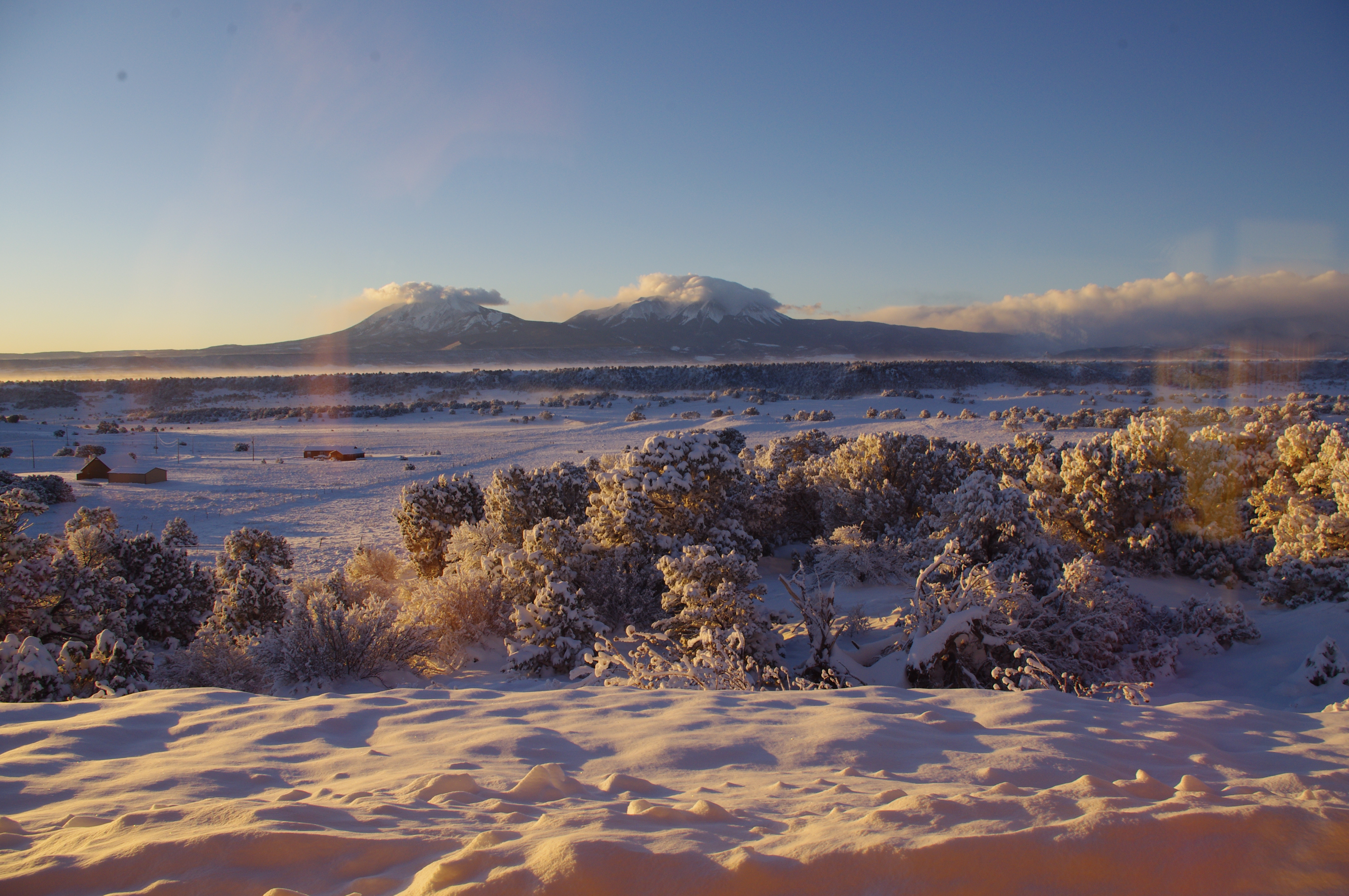
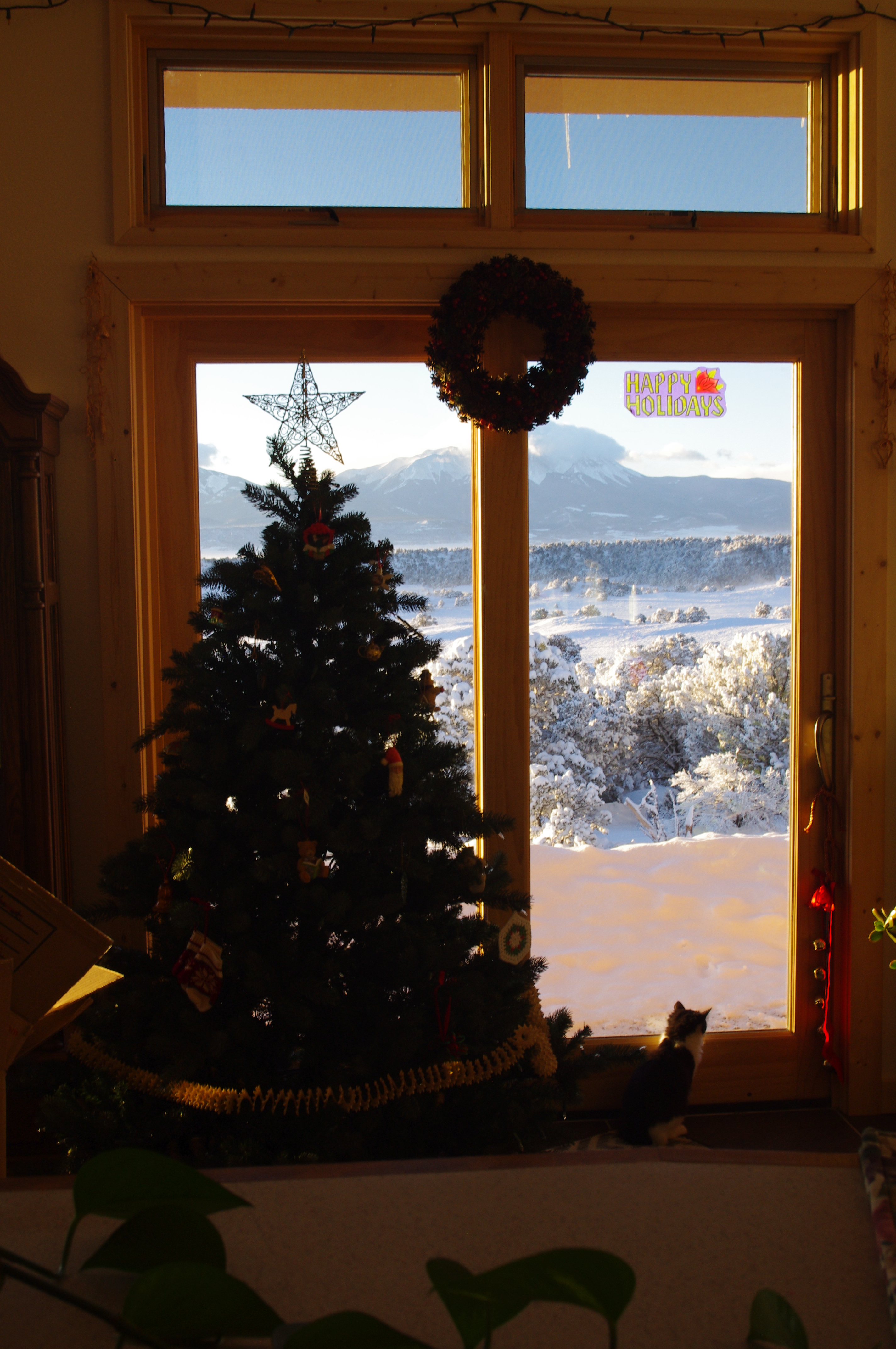
The Spanish Peaks in the ghostly early morning light!
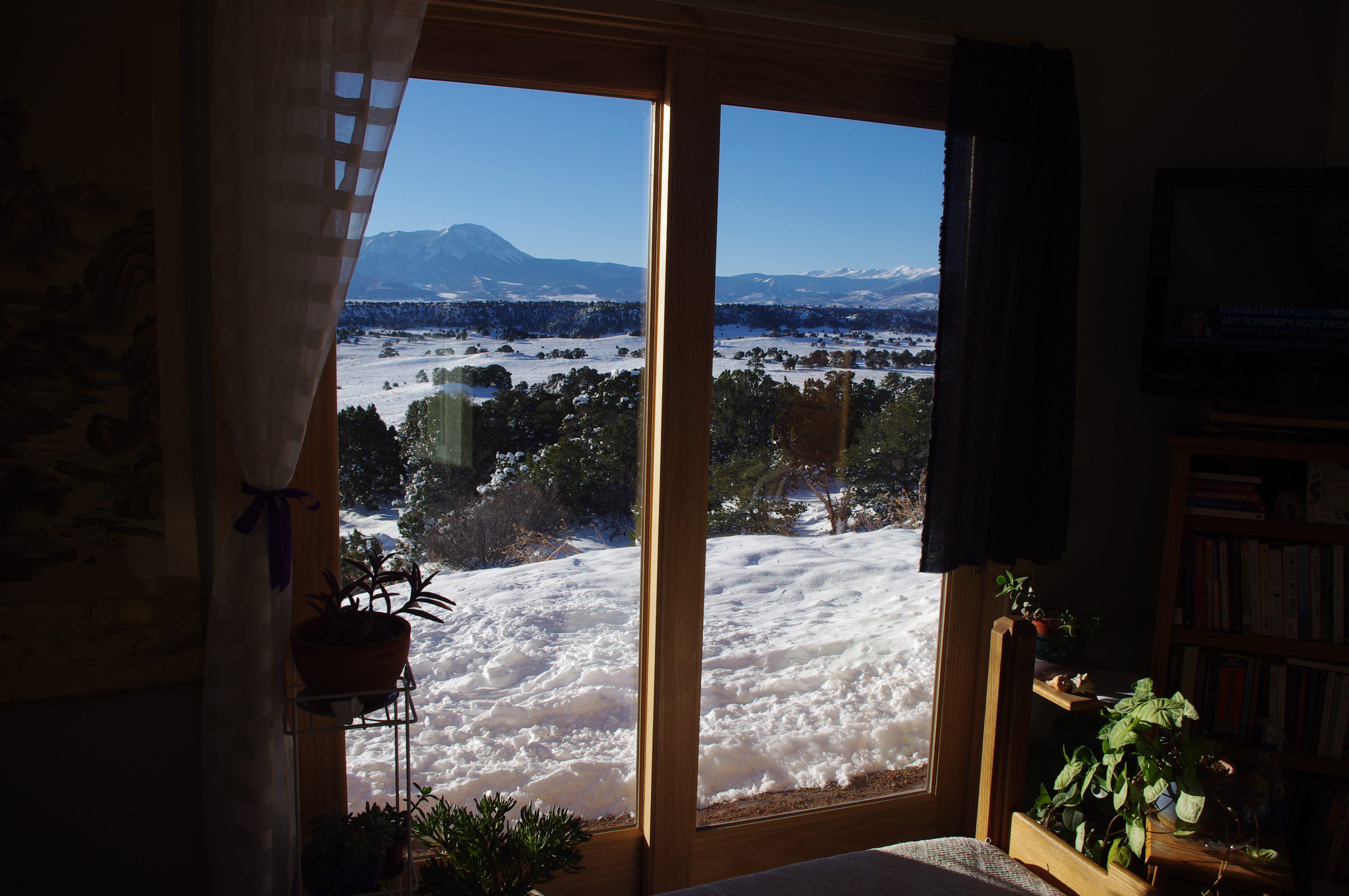
Only now, since we moved to a rural area and as I recover from a new brain injury, do I appreciate the simplicity and peace of doing nothing.
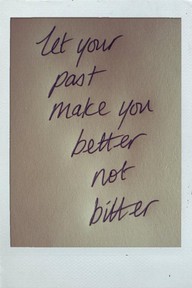 This is something I was not raised on, and the guilt is still present with me, but I work everyday to cultivate this art. My goals are to heal my brain while also healing my past. Now I embrace every moment I can find to sit in silence and appreciate my life. I am filled with gratitude that I can now live like this forever… Instead of worrying about the past or demanding more of my future, I can now just be here, loving my life. Learn more about our adventure. How we ended up down here, etc. in my new memoir!
The Japanese Lover, Allende does it again!
I have been a lifelong fan of Isabel Allende. I simply get lost in her magical style of storytelling. So when I heard she had a new one, I quickly got on the library waiting list. And no, I was not disappointed.
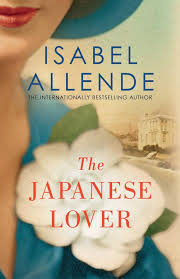 The Japanese Lover is a tale of fierce, forbidden love over many decades, but it also engulfs the reader in how it feels to be in your 80s, having lived life to its fullest. But what is so amazing is how Ms. Allende brings in the lives of many other complex characters and makes you feel you know them intimately. Her mastery of language astounds me at times. With very few words she can tell you so much.

For example, Alma, the main character, comes from an old European Jewish family. She describes her father’s worldview this way:
“The simple recipe for success that Mendel had instilled in his children from the cradle on consisted in never complaining, never asking for anything, striving to be the best in everything you do, and never trusting anyone.”
This early training did not stand Alma in good stead when she arrived in the U.S. as an orphan, with no ability to ask for help or any other important relationship skills.
Allende’s story covers parts of World War II, life in the Japanese Internment Camps and even the story of a Moldovan immigrant.
But most importantly this is a story of how we view aging and manage the end of our lives. That is the reason why I bought my own copy. I can see myself rereading this book in fifteen or twenty years, to learn even more of the skills needed to end a life well-lived.
Our Sunrise This Morning!
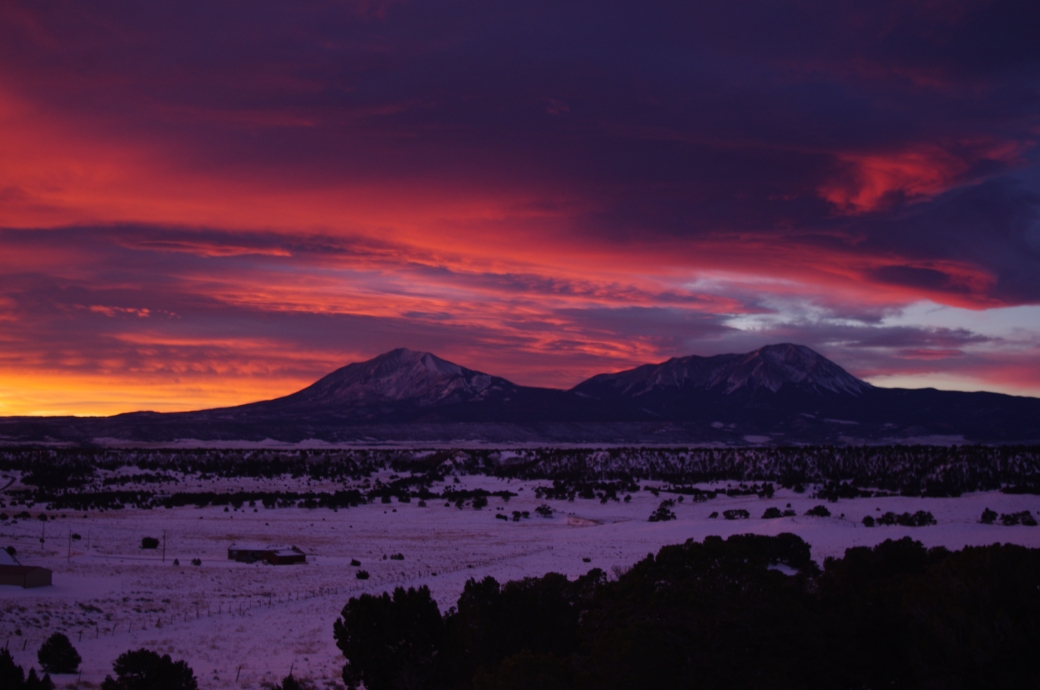 One picture is worth a thousand words….




 Adventures of the NEW??? Old Farts
