The Legacy of American Lawns & “Lawn Nazis”

I got a few interesting responses to my last post about re-wilding areas destroyed by farming or other forms of human landscape “improvements.” The 4th episode of PBS “Human Footprint” this week caused me to think further about our American addiction to lawns and lawn care.
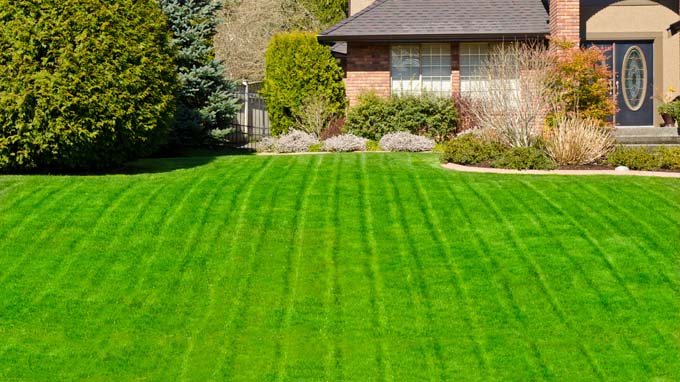
Did you know one 400 acre golf course uses 358,000 gallons of water every day? We have more than 40 million acres of turf in the United States that use over 80 millions pounds of fertilizer per year.

Grass is the most resource intensive plant in our country today.

In a country where we so highly value productivity, lawns are the ultimate in unproductive.

The story goes that we can apparently blame the Brits originally. The old idea of owning your own manor and “estate” added to our own brand of individualism in the USA caused many of us to want to own a home on maybe a quarter acre in suburbia. Our home was our castle, and the surrounding space was our territory to improve and maintain. Although some grasses have American-sounding names like Kentucky bluegrass, most of the turf-grass species we plant in the United States are native to Europe.

We also have a strong tradition from our earliest days of feeling like we had “too much land” (after we stole it from the native Americans). If we farmed it, or ranched it, or timbered it for five years than that land was ours. This set the precedent that we should not just sit on land, we should “improve it.” Every place humans inhabit is made artificial in some way, and in our country that usually involves lawns.

The Lawn is the Ultimate Male Status Symbol, showing how deeply grass is rooted in the American psyche.

Thinking about these American traditions reminded me of how proud my Grandpa Carter was of his small home and yard outside of Kansas City, Kansas. He took so much pride in keeping it perfect with his walking mower and lots of watering. And my own Dad the botanist, a lifelong advocate of leaving things natural, still worked hard to keep a nice lawn around his home.

The younger generations may not be so convinced that lawns are a good thing.

To quote that PBS special: “Grass is a signal. Just having it says that we are part of a community.”

And yet, as Nancy Hill pointed out after reading my last piece, those who don’t choose to maintain traditional yards in suburbia may be ostrasized by HOAs and other nasty neighbors. Covenants can be legally enforced. I had never before heard of the term “Lawn Nazis.” In a country that prides itself in offering “freedom of choice,” when it comes to the land around our own homes, we can be forbidden to plant native plants or go natural.

Rewilding, some positive nature news at last!

If you tire of hearing ever more negative news about how we humans continue to pollute and destroy the earth we depend on for life itself, try watching this five minute story from this week’s CBS Sunday Morning. Trust me, you will be glad you did!

Rewilding: Letting nature take over

Rewilding is a progressive approach to conservation. It’s about letting nature take care of itself, enabling natural processes to shape land and sea, repair damaged ecosystems and restore degraded landscapes. Through rewilding, wildlife’s natural rhythms create wilder, more biodiverse habitats.

By growing native, drought-tolerate plants here, we have encouraged the return of wildlife, birds, bees, etc.

This idea/story offered me a sign of relief, showing me that sometimes nature wins in a great win-win way for people too. This is what my late father was always talking about, letting nature take over, because she did a great job up until now! This is also what we have tried to do on our own three acres in southern Colorado. I just do not comprehend those who buy land in the country and begin mowing the crap out of it immediately. We hated “yard work” when we lived in suburbia, and guess what, all the birds and bees and other wildlife there also could not tolerate it. They need biodiversity to thrive. Rewilding is a form of ecological restoration aimed at increasing biodiversity and restoring natural processes to the land.

Why is it so hard for man to simply leave nature alone to take care of itself? Why are we so convinced that we need to “improve” it? We as a species must learn the answer to this question before we “improve” ourselves into complete extinction.

“I’ve spent too many years at war with myself…”

Every time I listen to Sting sing “Consider me gone” I get stuck on these words. Why do we spend so much time picking on ourselves? As a psychologist I assume we learn how to do this from our overly self-critical parents, and then carry on the practice by habit. Some say these patterns get stuck in our brains and are almost impossible to fight against or change.

I know I have been far too self-effacing for as long as I can remember and then, of course, others along the way helped me become even more critical. Now, in my 60s, I’m still working at fighting this pattern in various ways. It helps so much to have a close friend or life partner who points out how hard we can be on ourselves. I remember back in my late 40s I gained a lot of new insight when I read Gloria Steinem’s book “Outrageous Acts & Everyday Rebellions” but this is a process that will last forever I’m afraid.

The three Carter kids at Grandma’s house at Christmas

Just recently I was rearranging things and came across a small photo of myself at around age three, looking pretty sassy in my new Easter clothes. Now I focus for a few minutes everyday on that little girl, on loving her all the way through and sending good thoughts for the many ways she might feel really good about herself for the rest of her life. I feel so much compassion for the battles she has fought in her war against herself and visualize how much easier her life could have been if she had learned self-love at an early age. I seems it has always been easier to be critical rather than compassionate towards myself.

I watched a marvelous 2005 movie recently called, “Mrs. Palfrey at the Claremont.” It’s about a retired older woman, played wonderfully by Joan Plowright, who befriends a young man, played by Rupert Friend, (YUM!) by chance on the streets of London. It’s has a lot of insights into aging and how we treat our elders with a number of great lines, but the one that keeps coming back to me is:

“It’s very important to praise people a lot early on, otherwise they might die of disappointment.

Find A Healing Environment For Retirement

In my last post I wrote about healing relationships, relationships that truly saved my life. But I have not yet shared one of the most important transitions I have gone through in the past eight years. I hear so much these days about Boomers who are trying to find the best place to retire. Of course, that will be different for each of us, but for me, retiring as close to nature as possible has transformed me. And the irony is that I was not certain at all whether I wanted to come here in the first place.

Eight years ago at this time, Mike and I was crazy busy preparing to sell our beautiful home in the Fort Collins suburbs so we could build a passive solar home on three acres west of Walsenburg, Colorado. Mike was always convinced that this was his ideal retirement plan. I was not so sure. Still surprised that I would even be able to retire by age 60, our options still hadn’t struck me. Then, after we moved into a rundown old miner’s home in town while we built our new home 13 miles west of there, I became really worried. I could not figure out where I was for a while. You try moving from a big cosmopolitan city to a tired old town of less than 3,000 souls, then you tell me if you don’t feel a whole lot of culture shock.

Our first year down here was difficult. So many disappointments and worker slow downs in construction, not to mention health concerns. But we did prevail and moved into our brand new home a little over one year later…

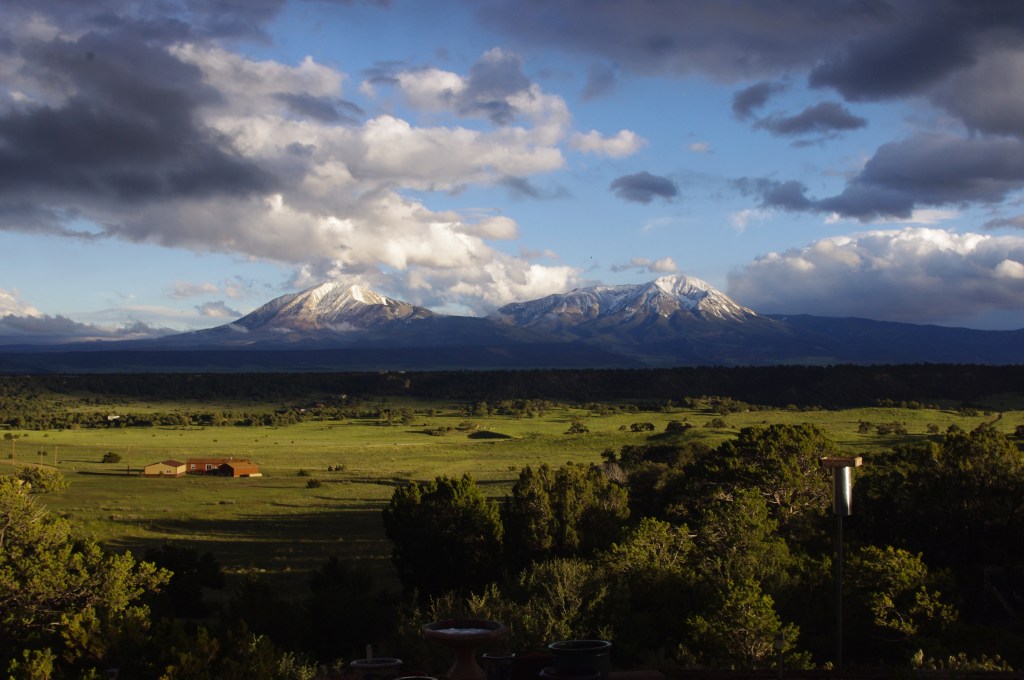
Oh, did I mention the view of the Spanish Peaks and the Sangre de Cristo Range from our new home?

When we first moved in, nothing seemed real. I felt like I had moved into a fancy foothills resort and the management would be coming soon to kick us out. After living in cities and suburbia for most of my life, this felt a bit like make-believe. To finally live in a naturally warm, energy-saving home that we had designed specifically for our needs and up to our standards with a view like that? Wow! But the best was yet to come.

The escape from the frenetic energy of cities was the best! I don’t know that I can properly describe exactly how peaceful this place felt after living with all of that crowding and traffic my whole life. The silence was astounding! I loved to go out in the morning, sit down and just soak it all in; the sunrises, the bird songs, the trees, the mountains. How did I end up here?

In the years since, my love of this place has grown and grown along with my sky garden, dedicated to my brother. How was I ever so lucky? With many new health challenges including head injuries and the need for permanent supplemental oxygen, I still feel so content to watch the sunrise each morning and look out over that tremendous view, knowing that I have finally found the place I belong.

In June 2014 we packed up or got rid of most of our worldly goods, sold our home in Fort Collins, and took off for an ancient rental in Walsenburg, Colorado. It was then we named ourselves the “NEW Old Farts” because we were barely 60 years old. I have been sharing our retirement story here on this blog since October 2014; the year long passive solar construction wins and losses, the big move in and our gradual adjustment to life in rural Colorado. We have fallen in love with living in tune with the sun and seasons, waking up each day amazed to find ourselves in such a beautiful, quiet, natural place. Good luck choosing the perfect place to make your own retirement dreams come true!

Please contact me at MidlifeCrisisQueen@gmail.com to purchase copies of any of my books. Thanks!

A Great Day in Spanish Peaks Country!

imgp5357

This morning I woke up too early, but since I was already up I went outside to take a few sunrise shots. Then we started getting ready to drive up to “Uptop” to enjoy the 2016 Welcome Gathering for the Spanish Peaks Celtic International Music Festival.

imgp5387

Uptop is up at the top of Old La Veta Pass. It’s a bit of a ghost town now, but still fun to visit, especially on a glorious fall day like today!

imgp5391

This is where the train used to come through over a century ago.

imgp5384

It has an cool old chapel and an old tavern where the Celtic musicians set up to play and guide the courageous ones through some Irish dances.

imgp5375

And since I LOVE anything Celtic it was GRAND!

imgp5376

I loved the harp the best. I seem to be developing a love affair with all kinds of harps.

imgp5393

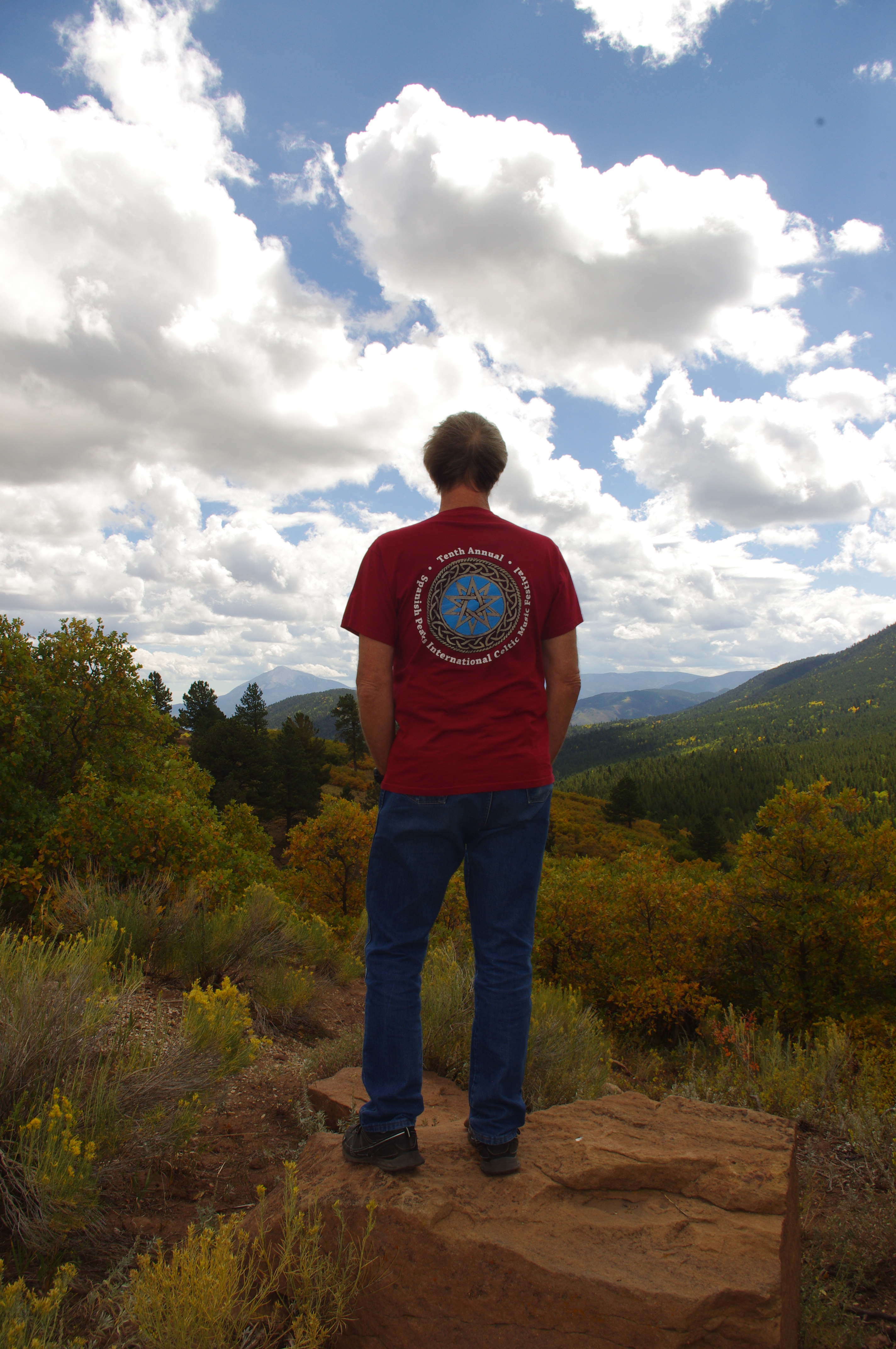
On the way home we stopped a few times to try and capture the amazing fall colors up there. Here’s Mike looking back towards the Spanish Peaks.

imgp5395

It’s days like these that make me so happy that we decided to move down here.

 On the way home we got in our FIRST traffic jam ever on Highway 160. Still don’t know what happened there… So we took the county road home and got in the middle of a cattle jam instead! So much more enjoyable than a car traffic jam. It was fun watching the cowboys herding the stray cattle across the road.

Want to learn more about our recent move from busy, noisy Fort Collins to  this place of silence and lovely nature watching?  Go here!

Busy Blogging Boomers!

This week we are offering you reviews of movies, restaurants, an analysis of upstate New York versus California living, and how to get better prices on your new iPhone. Let’s hear from Carol Cassara first:

east-coast-versus-west-coast

Each of us sees the world filtered through our lives and every one of our experiences. As older adults, our world view is very different now, Carol points out over at her blog,“Heart Soul Mind.” She also goes back to the first half of the 20th century, when life was very different, and maybe romanticizes it a bit.

For many Americans going out to eat has become a regular pastime, a part of our lifestyle.Usually the experience is a pleasant one, but occasionally disappoints because of poor food or service quality. Meryl Baer of Six Decades and Counting recently enjoyed some great Mexican food with a portion of poor service. 

sully-movieBoomer blogger Tom Sightings admits, “I Don’t Like to Fly.” The last flight he took was round trip from New York to Phoenix in 2012. So why did he go see the movie Sully? And what does he think about it? (It might surprise you.)

iphoneOver at The Survive and Thrive Boomer Guide, consumer journalist Rita R. Robison writes about how much a new iPhone 7 can cost you. Did you know you can save more than $1,000 by using WalletHub’s Cell Phone Savings Calculator to compare the different ways that consumers can purchase the iPhone, evaluate coverage plans, and figure out when they’re better off keeping their current phone? Go learn more!

memoir-of-retirement-2016-large

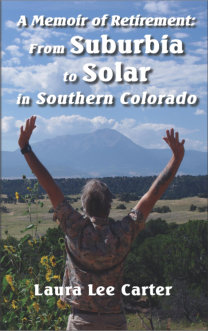
Me, I’ve been busy editing and formatting my new book. I will be so glad to present it to you in the next few weeks! Until then please enjoy the cover. This is a photo of Mike’s excitement one morning as he walked outside to enjoy our tremendous view.

LIFE IS GOOD IN BOOMERLAND!