A Different Kind of Mind

Somehow I never pictured myself breathless and brain damaged at age 67. ‘Disabled’ did not occur to me ever, until things started happening to me. It took me an amazing length of time to believe that I was having trouble breathing. In fact, I didn’t discovery it myself. A very observant MD in Colorado City turned to me once when we were there for Mike’s health and said, “Are your lips turning blue? Let’s do a walking test.” For those unaware, a walking test is a simple walk around a doctor’s office where they test your O2 level before and after your block-long walk. I flunked, dipping far below 90 and yet I still insisted this could not be happening to me. Recently we went through the same test with my brother John, and yes, he denied it, and now he’s enjoying his supplemental O2.

My point is, unless you are literary hit over the head with a new disability (like a head injury?) it is very hard to accept that you may have a big new problem. I struggled against using oxygen at home for quite a while. I simply could not believe it, plus we Carters are known for extreme stubbornness. Now I can only go a couple minutes without it.
The head injuries started in my fifties and who knows, perhaps they were connected with shortness of breath. I know my most recent concussion were related to being out of breath. I went to look for something, forgot my oxygen, and ended up passed out for the floor. Unfortunately Mike was gone for a few days so when I came to I had to crawl over to my bed and get up there to lay down. I never forgot my oxygen again!

The aspect of disability I find both surprising and annoying is when others find it natural or even necessary to feel sorry for me. Some old friends have even stopped communicating with me. Talk about feeling written off! When I heard there is a new TV show called “Not Dead Yet” I thought, that’s me!

What I would like to share with all of you who think I’m done or doomed (aren’t we all?) is that, yes, my brain has changed, but sometimes it feels like it might be for the better.

I know I may have sometimes sounded pathologically optimistic here, but these days I rather enjoy my present state of mind. When I’m sitting staring out at our incredible views of the Sangre de Cristo mountain range, which I do a lot of, there is a certain non-reality that is a bit like being high without drugs. That I like. I also believe that in some strange way I may have become less judgmental and more intelligent by exchanging certain parts of my brain for a less precise and exacting attitude. Call it more flexible or easygoing, but I find that soothing. Perhaps my brain got tired of holding grudges.

Of course living with Mike has helped me a lot. I am definitely the worrywart in this partnership. We Carters are first-class worriers, expertly trained by a number of previous generations. I will never forget a few years ago when I was sitting in the living room listing my well-established list of worries for Mike. He had heard this list too many times, and I guess he was tired of it, so this time he sat back in his easy chair and said, “Who cares! Is worrying about these things going to change anything?” That made a lot of sense to my bruised and shaken brain…

How writing can improve your mood and keep your brain moving forward…

In the process of writing my last post about AI and writing, I learned quite a bit about exactly how good writing is for our brains. First of all I learned that writing by hand is better for the brain than typing. Although a slower task, research indicates that physically writing things down appears to make the writer become more selective in what they write. What’s more, when you pen words on paper, the neurons in your brain fire signals at rapid speed, enabling you to make more neural connections.

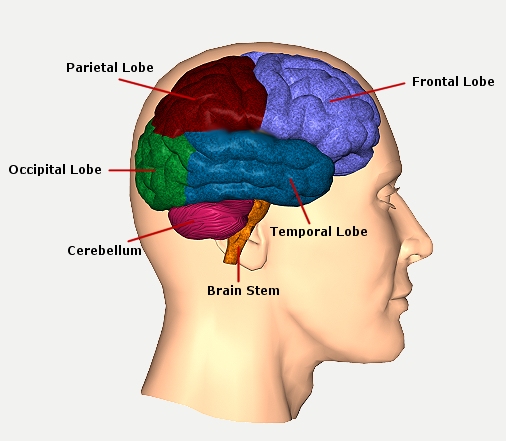
Writing is a stimulating yet strenuous activity for the brain. When you write, all parts of your brain are actively engaged. Thanks to the brain’s neuroplasticity, it can grow and change over time. Just as athletes train their bodies, writers can do the same with their brains.

The process of recalling something, writing it down, and reading it back on paper boosts memory and comprehension, leading to improved cognitive processing. Given that many areas of the brain are engaged, the more you write, the more neural connections are formed within your brain.

Writing every day can benefit everyone, not only professional writers. It improves your memory, builds vocabulary, and refines your communication skills. Writing can also be very relaxing, especially if you lead a busy or stressful life.

When it comes to emotional stability and development, writing can be quite therapeutic. Writing gives some structure and organization to anxious thoughts and feelings. It can help the writer feel more in control of their negative moods, thus helping them get past suppressed difficult or traumatic events.

I have always been a avid writer since I first learned how. Writing is my way to have someone to talk to about difficult thoughts or feelings, a way to process my feelings to make me feel better. These days I find writing to be essential to both my mental health and brain health. Although I sometimes find it quite challenging for my brain, I do need this challenge to keep moving forward after a few serious head injuries.

5 Surprising Benefits of Writing by Hand

A new stage of life: Becoming a caregiver!

There are many whom we love, but not all of us are willing to become a caregiver to them. Since I became a caregiver, that distinction interests me. I do understand the urge to avoid taking time out of your own life to be available to help a loved one, but I believe the main reason many of us do not choose to become caregivers is because of the sometimes confusing emotional demands of keeping a loved one going from day to day. Sure most would offer to pick up some groceries or provide other services to their Mom or Dad or sibling, but what about the activities of daily living? What about managing their prescriptions for them or helping them cleanse themselves?

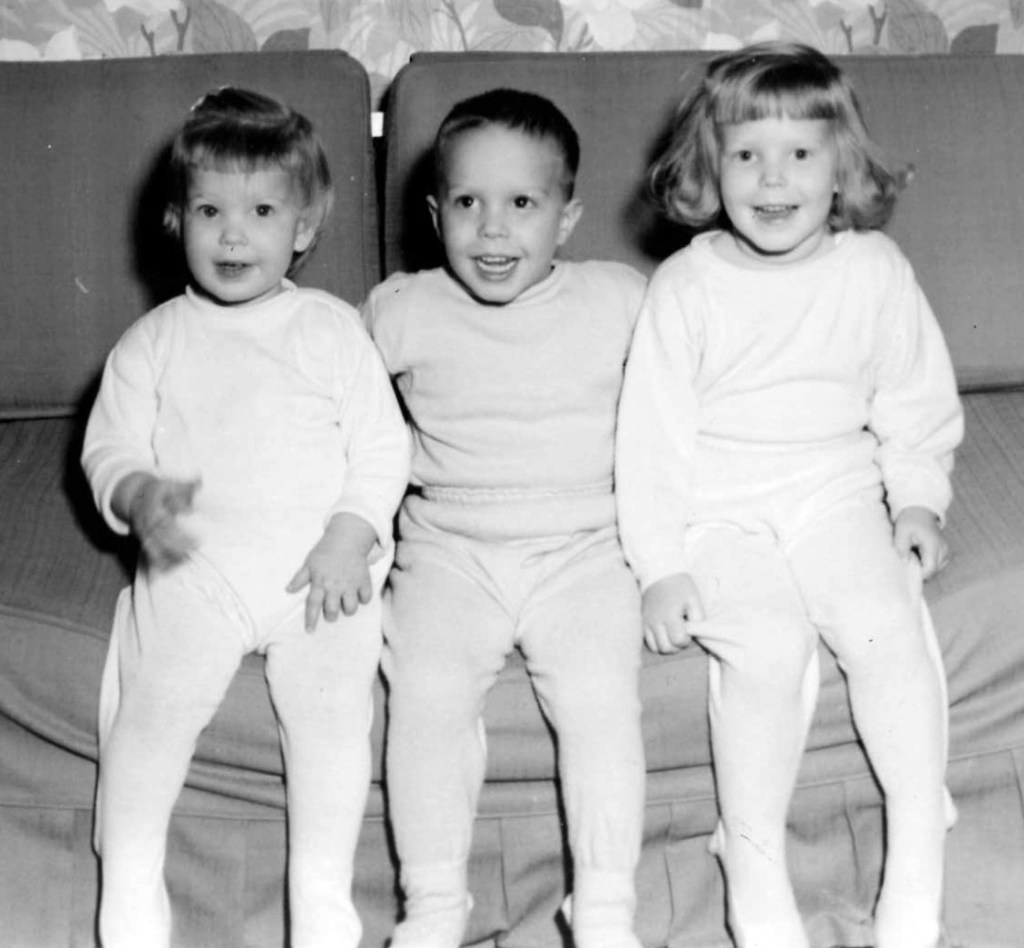
My sister Diane, John and me around 1957 or 1958…

After years of training in emotional caregiving, I am now called to use that training in service to my brother John. My greatest fear at first was to overstep his boundaries by offering more help than he wanted or needed. Just this past week I realized that he so appreciates anything I do for him as his energy and memory continue to fail him. For example, I learned that he can no longer manage his prescriptions and take his drugs on time. I didn’t notice that until he stopped taking his thyroid med and he had all the problems related to that including fatigue, brain fog and severe depression. I got him back on that med as soon as I realized what was going on.

It feels like a lot of responsibility to manage someone else’s life, but I love my brother and I want him to feel better. I can’t imagine not helping him at this point in time. He says he would never go into assisted living or some other care setting like that, so I will continue to help him as best I can.

Here are a few things I have learned about being a caregiver:

Caregivers value and appreciate help from others.

Caregivers take into account their own needs, the persons being cared for, and the other family members involved.

They respect other people’s opinions.

They appreciate the strengths and positive attributes in others and themselves.

They understand that caring for another person consists of letting that person make their own choices without ultimatums.

They wait to be asked for advice.

They are enthusiastic about their role as a caregiver.

They are empathetic and feel love towards the person they are caring for.

They don’t take other person’s words or actions personally.

This is not a job I ever expected to find myself in. I do know it requires patience, compassion, attentiveness, dependability and trustworthiness. I can do that. In fact I cannot imagine not doing it. I just appreciate even more that I’m here to help.

If I WON the Power Ball…

Who doesn’t wonder what it would be like to win the Powerball, especially when it’s on the news so much lately? Yesterday Mike and I shared a few thoughts on what we might do if we won. Would we stay here or move to our own island in the Caribbean? I know Mike would want to buy a number of new toys if we won, you know a new truck, a yacht, maybe a private jet, etc. Who wouldn’t?

One thing is for sure. I could probably quit complaining about having so few friends 😉

Money has never had a lot of meaning to me. Just so I had enough to live comfortably, I haven’t cared much about money. It has always taken care of itself in my life. My first husband was so focused on dollars, he could hardly think about anything else. I’ve always been good with money, but I somehow knew that, “Money can’t buy you love.” And love is what counts. This has only become more obvious as I age. Love is the meaning of my life now. Love is my destiny.

But, back to my topic, money. My fantasy if I suddenly came into billions of dollars is to share it with the poorest and most deserving Americans I could find. The trick would be finding them. I’m sure many would lie about their incomes if they even had one. I’m not sure how I would find them, but I would love to be a part of evening the scales just a little bit in this capitalist country we live in.

Would I immediately hire a lawyer and an accountant. Would I run out of money and eventually kill myself like urban legend suggests?

What Not To Do After Winning the Lottery

  1. Don’t Tell Anyone. (Ha ha ha ha!)
  2. Don’t Hurry. (Quick, before I die!)
  3. Don’t Assume You Can Manage It. (Trust a lawyer and accountant you don’t know instead!)
  4. Don’t Spend Any Money for Six Months. (Yeah, right!)
  5. Don’t Quit Your Job. (Too late. Already accomplished.)
  6. Don’t Wave Goodbye to Your Budget. (Budget, what’s a budget?)

Mike and I are introverts. We are very private people. We live our lives quietly with just a few friends and no attention quite happily. It’s a good life and something tells me the paparazzi might ruin our chosen lifestyle.

The one thing I try to avoid these days is stress. Living on borrowed time can do that to you. Come to think of it, winning the Powerball would be so awful! Imagine the stress! Just thinking about it boggles my mind and I don’t have a lot of mind left to boggle… Plus Mike and I don’t argue about what we want to buy next these days. Unfortunately having a billion or two might change that.

Come to think of it, winning the Power Ball might ruin everything we have now. But, as it turns out,

you’re more likely to be hit by a meteorite than win the Powerball.” Especially if you don’t play! 

Cognitive Impairment & Dementia Past Age 60

I’ve been busy lately learning more about “mild cognitive impairment” (MCI) and dementia for myself, my mom and my brother. I was diagnosed in August with MCI by taking a two hour test from a Licensed Clinical Psychologist. This means that compared to others my age, I show some signs of cognitive impairment in a few different areas, mostly in short-term memory. These findings did not surprise me a bit considering my long history with TBI and concussions. In fact I wondered why I bothered with the tests afterwards, because they were so exhausting!

Then a few weeks ago my brother John started complaining of terrible brain fog. He could barely function some days, but it usually became less difficult as the day went on. He ended up sleeping a lot because he couldn’t do much else. I got so worried about him that I called our local hospice people. They were kind enough to come over and speak to John this week. They said he was doing OK and not ready for hospice assistance.

I saw an article in Science Daily recently that says:

“In the first nationally representative study of cognitive impairment prevalence in more than 20 years, Columbia University researchers have found almost 10% of U.S. adults ages 65 and older have dementia, while another 22% have mild cognitive impairment.” in the article:

“One in 10 older Americans has dementia” in Science News, October 24, 2022

Apparently John and I are not alone. In fact I have learned:

“Americans born between 1948 and 1965 are more likely than the generations that preceded them to have multiple health problems as they age. Many develop two or more health conditions up to 20 years sooner than folks from other generations…” according to the article “Cohort Trends in the Burden of Multiple Chronic Conditions Among Aging U.S. Adults” in the June 2022 issue of The Journals of Gerontology

Basically just about everyone in my direct family is dealing with some version of memory loss or MCI, and I am including my 14 year old dog Rasta. None of us are in great shape at the moment. We survive by reminding each other of appointments, etc. My Mom refused memory testing, but her ability to remember has been fading quickly since my Dad died in 2020.

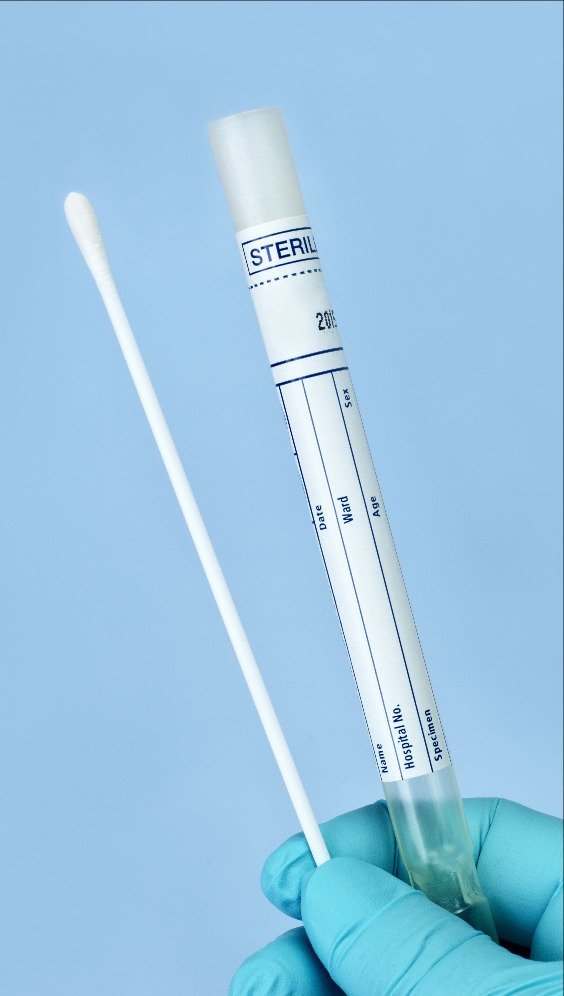
One thing I did learn from my psychologist is that there is now a saliva test to detect the presence of the genetic APOE4 variant, which is associated with increased risk of late-onset (age >60-65) Alzheimer’s disease. 

Here’s a link: https://www.alzheimersorganization.org/product-page/apoe-genetic-test

Of course the next question is, do I really want to know?

Dealing with Trauma as a Highly Sensitive Person with Head Injuries: A Personal Note

I have been thinking about trauma in my own history these past few weeks and I now see I have suffered a number of traumatic experiences that I did not originally recognize as such. I think this can be attributed to two personal factors. One is that I have always been a “highly sensitive person” and the second is my numerous head injuries in the past 15 years.

I assume most of you have heard of the term highly sensitive, but these are the traits I relate to personally:

  • Overly sensitive to emotional and physical violence
  • Naturally experiencing the emotions of those around me
  • Often feel overstimulated
  • Often need to withdraw because of overstimulation
  • Startle very easily
  • Enjoy a rich inner life
  • Feel deeply moved by beauty
  • Deeply emotional and compassionate
  • Unable to deal with even moderate amounts of criticism
  • Usually feel different and alone
  • Easily overthink and worry way too much
  • Very intuitive
  • Often feel tired and emotionally overwhelmed

I guess you can see why someone like me can be more easily traumatized. Then when I experienced a traumatic brain injury in 2008, my ability to deal with others, especially when they are angry or even just mean to me was multiplied by one hundred percent. And with this most recent serious concussion I find I am so easily drained after simple exchanges with others, and I can only socialize for an hour or two with anyone.

Luckily I found a life partner who is also quite sensitive and therefore understands exactly how much I can take from others. And yet, even with him I need to withdraw regularly into my quiet little world where nobody can reach me. I simply feel safest alone in very quiet places. I guess I am a true introvert now.