My Early June Garden After a Rainy May

Although we haven’t had the kind of moisture that Denver and Colorado Springs have had this past May (with over five inches!), we have had over two inches here with cloudy rainy days for quite a while now. Today is a good example. Here are some pictures of my plants and bloomers in my foothills garden in southern Colorado today.

Starting on the west end, we have some very happy yucca, cacti and evening primrose plants, although the flowers and fruit of the yucca were rudely eaten off by some kind of varmint. Note the cute little honeysuckle bush in the upper left. It always blooms too early in the year!

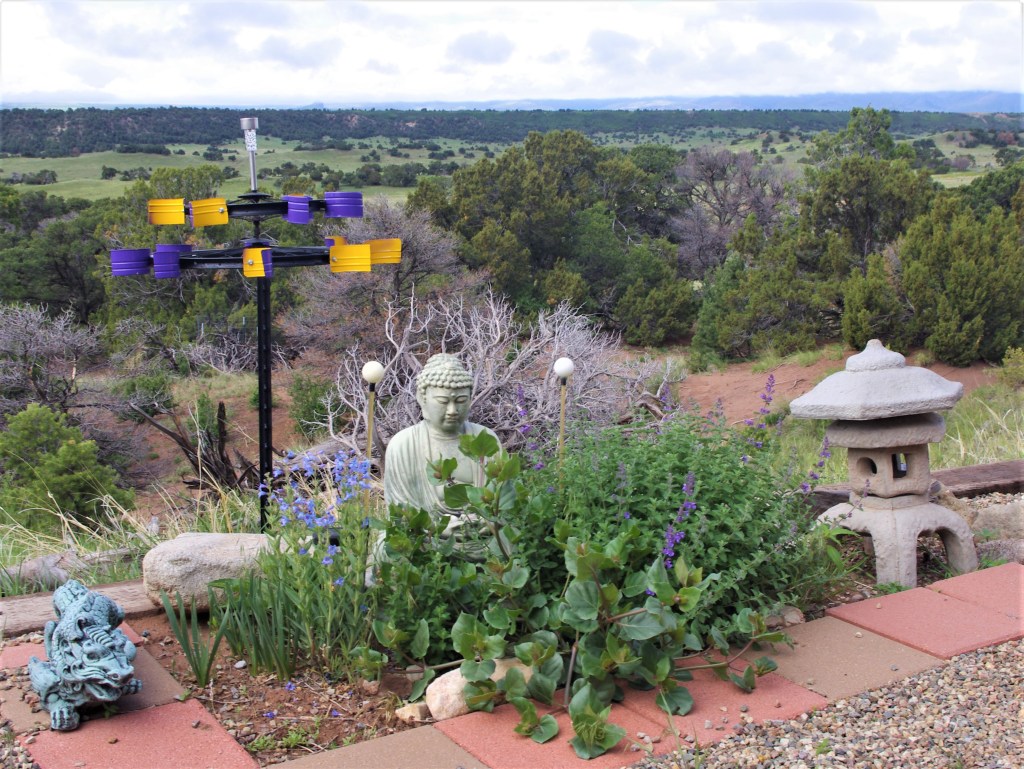
Next we have the plants that bloom around my Buddha. On the left is a native Penstemon volunteer still blooming, some catmint coming in on the right and a native Four O-Clock fighting its way through in the middle. That will have magenta flowers eventually… Love it!

What I’m most proud of is my yellow Columbine, because I’ve never had one bloom in my garden thus far. Although it is the Colorado state flower, it usually gets bitten off before blooming.

On the east end I have some lovely irises blooming with the West Spanish Peak behind them!

Overall I’m so pleased with what I have so far, because I know that those May and June showers will bring some great blossoms later on! I’ll keep you posted…

Finding the Strength to Let Go of Self

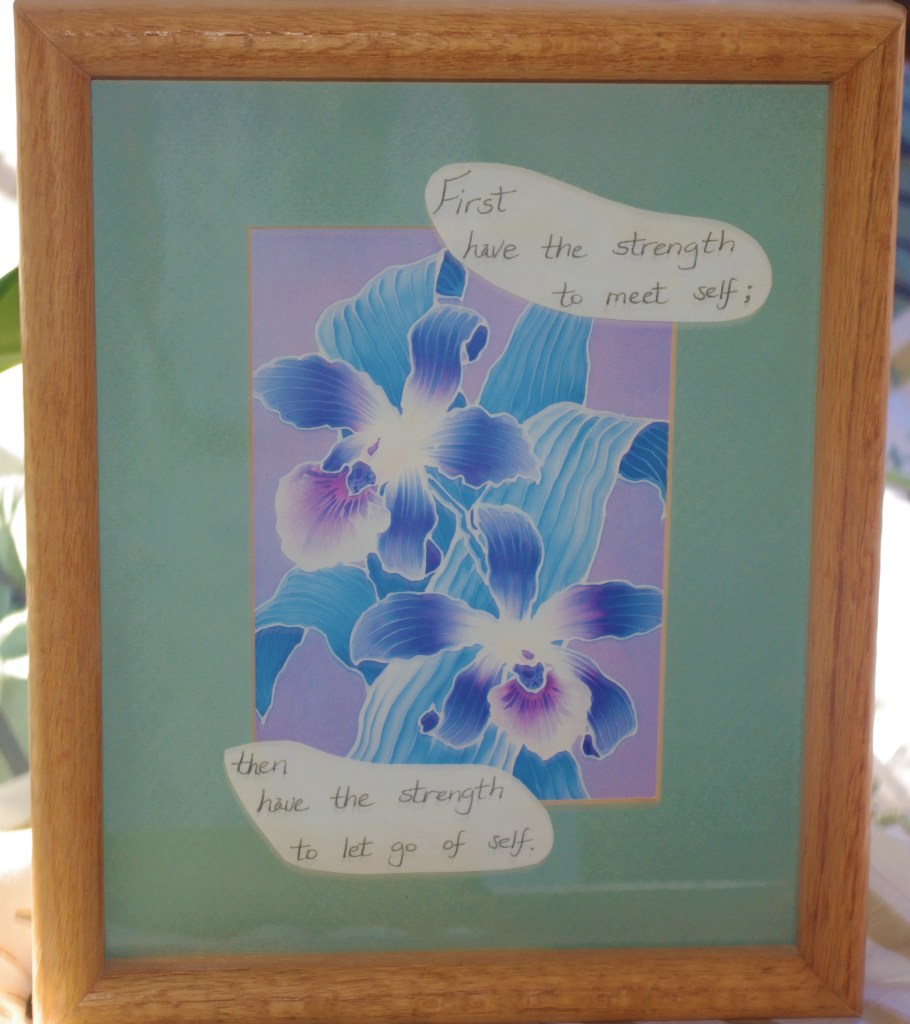
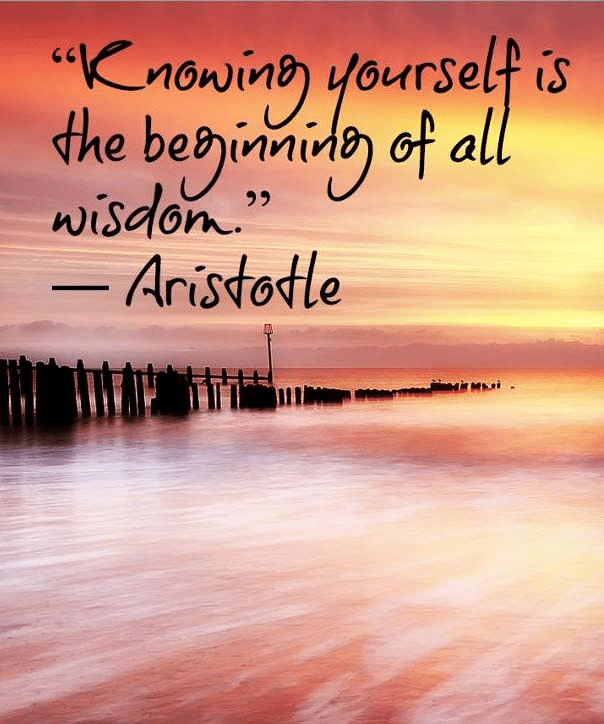
I believe our lives are a process of finding and confronting our true Self, and then slowly letting go of it as we age. Some might prefer the word ego in this scenario. I have had this message on my wall for decades:

What is the ego or sense of Self?

ego: a person’s sense of self-esteem or self-importance, the part of the mind that mediates between the conscious and the unconscious and is responsible for a sense of personal identity.

The way I relate to my sense of Self is to know that as a child and young adult my ‘job’ was to develop my sense of who I was inside, what did I think and value? How should I treat others? How did others see me? This naturally leads to a strong sense of self-consciousness, sometimes painfully so. Then came the time to figure out what I planned to do in the world. How did I hope to change my world? These are the purposes of young adulthood up until our forties or so.

Developing a strong sense of self or ego is a good and necessary part of being human. There is nothing wrong with having a strong ego, but it needs to be regulated. Problems arise when ego affects your decision making process, turning you into a victim, or when it makes you feel superior to others in order to justify your bad behavior. A toxic ego is one that does not learn from bad behavior, but instead blames others, often descending into negativity, resentment, and even violence.

For the past twenty years, my spiritual path has been that of the second part of life. I have been searching for the strength to let go of self. A part of this process is simply getting comfortable with self compassion and death. Although we might think we have a strong sense of self when we are younger, if we are very honest we may find much self-criticism inside. This is all a part of the ego. Like we really did have the power to change any part of our world…

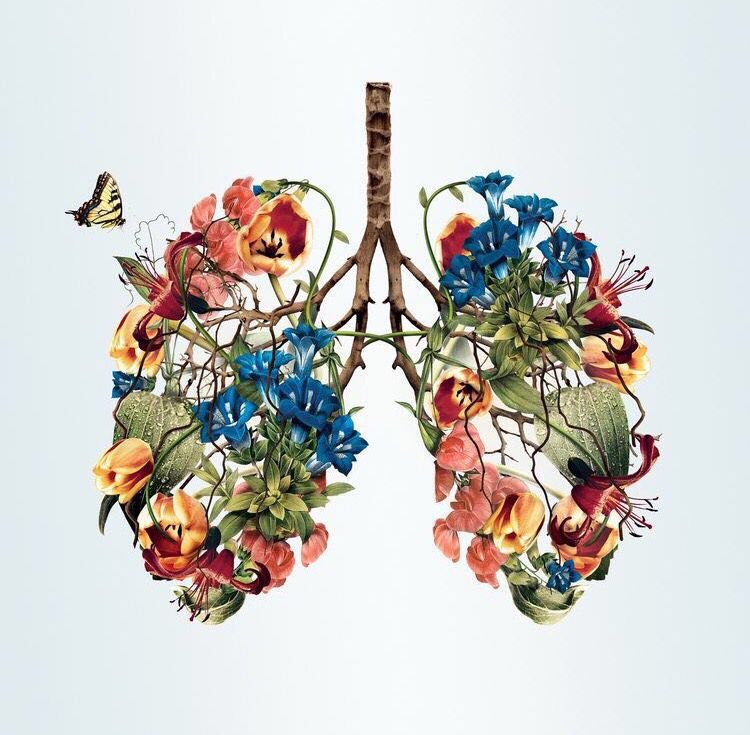
Being close to nature is your best path to realizing your place in the history of time. Please note, there are no other animals or plants that believe they are changing the world. There are no other beings that fear death. They know what their part is, to be born, to live and then die. I have found a gradual process of getting used to the idea of death is the best path for me. At first is was so hard to be with so I would push it away and deny its power. Since I started facing some powerful signs that I won’t be around forever (lung disease and brain injuries) in the past few years, my acceptance has grown like my garden outside my door, bright and beautiful.

What were you born to do?

I heard an expression lately that struck me in a good way and reminded me of my upcoming birthday. Of all the ways there are to say it, I think asking, “What were you born to do?” gets down to the basics of our very existence here on earth. I was born 68 years ago into the mid-1950s, the third kid in a lower middle class family. My Dad was just finishing his PhD at the University of Iowa while my Mom worked nights to keep our family going. No, my family really didn’t need another child, but there I was.

On my first birthday, my Mom made me a cake and then my brother and sister cheered me on as I first learned about the intricacies of blowing out my one candle…

It took me quite a while to figure out what I was born to do and in my case it had little to do with how I earned my living. For as long as I can remember money was never that important to me. Fine qualities of character are what I look for in everyone I meet, and even more so today. Through decades of trusting the wrong people, I learned how to identify those worthy of my trust.

“Experience is the best teacher, and the worst experiences teach the best lessons.

Through a lifetime of experiences I have learned more and more about who I am and what I value. From these I can now clearly identify what I was born to do:

I was born to love unconditionally, but very selectively.

I was born to love the earth & sun, and conserve nature in all forms.

I was born to travel the world.

I was born to try to understand human nature and animal psychology.

I was born to love dance, beautiful movements, and especially in ice skating.

I was born to love intellectual stimulation, learning, research, books and the visual arts.

I am a natural born plant and flower lover!

So on this, my 68th year on earth, I now wish myself a heartfelt:

March is Brain Injury Awareness Month

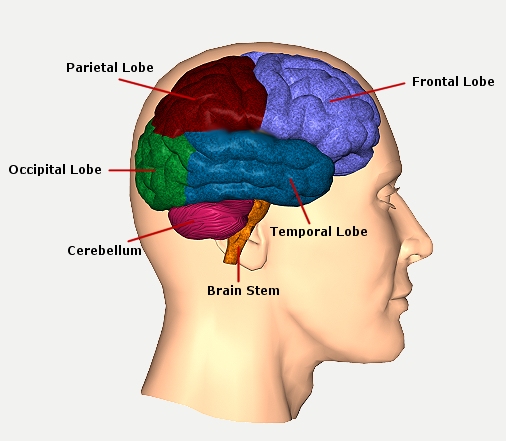
There isn’t a lot I can do to “change the world” these days, but one area that I have too much experience with is serious brain injuries and how they can change your world. So this month I will try to educate everyone a bit about what I have learned on this topic.

A traumatic brain injury (TBI) is one where you lose consciousness for a period of time and often have a bleed in your brain afterwards. It is a sudden injury that causes damage to the brain and may happen when there is a blow, bump, or jolt to the head. This is a closed head injury. A TBI can also happen when an object penetrates the skull. This is a penetrating injury. In my case I fell head first off of my bike while riding downhill. I was unconscious off and on for hours afterwards along with fractured ribs, a thigh injury, a wrist injury, and spent 24 hours in the ER and the hospital neuro-unit under observation. At the time I could not stand up without passing out.

How long does it take to fully recover from a TBI?

Depending on the severity of the injury, recovery time for a TBI may vary from a few weeks to six or more months. Each person reacts differently to injury and illness. Thus, recovery time will vary between individuals. The length of recovery time for TBI depends on how long a patient is unconscious and what parts of the brain are injured.

Are patients ever the same after a TBI?

Moderate to severe TBI can cause permanent physical or mental disability. Because polytrauma is common with moderate to severe TBI, many patients face additional disabilities as a result of other injuries. Even patients who appear to recover fully may have some long-term symptoms that never go away.

My experience:

I would say it took a few years for me to feel “normal” again after my TBI in 2008. My main form of rehabilitation was writing books, reading a lot and maintaining my blogs.

Unfortunately, I have been prone to falls and further head injuries since then. I fell again with serious concussions in 2015, 2019 and 2021. My most recent concussion was most serious and caused permanent balance, memory and vertigo problems. I now use research, writing and game shows like Jeopardy to spur my memory and keep me sharp. I also love old movies, soft music, and nature shows on PBS. They really soothe my brain.

Does TBI affect IQ?

In the end, a brain injury does not make a person less intelligent. It does, however, make certain mental activities, such as learning, require more time and effort. This is because the brain works less efficiently after a brain injury.

My biggest pet peeve around my present condition is that others may look at me and assume I’m not quite all there. I am definitely as smart as I used to be, it just takes me longer to arrive at the answers. I do have trouble getting around because of my oxygen machine, but that doesn’t mean that I am someone to feel sorry for. I do not feel sorry for myself.

I think I have a great life here with Mike and my puppy Rasta, and this fantastic view of those beautiful Sangre de Cristo Peaks.

Why do we celebrate birthdays like we do?

My birthday is coming up next month and that got me wondering when and why Americans started celebrating birthdays in the ways we do. The first thing that comes to mind for me when I think about my birthday was the disappointment I felt to discover that mine was too early to have a swim party in Kansas… too cold. But I think I did have a roller skating party once…maybe. I can’t really remember!

Research suggests that birthdays were once just another day until the 1880s. It wasn’t until the late 19th century that middle-class Americans began having special celebrations of their children’s birthdays, and not until the early 20th century that these celebrations became a nationwide tradition. In fact, “Happy Birthday to you” a song popular worldwide, is only about one hundred years old.

Historically, birthday celebrations were for rich people or national heroes. Americans celebrated George Washington’s birthday, but for everyone else, a birthday—if they even remembered the date—was just another day. The shift in the mid-19th century started with kids. The increased attention that began to be lavished on individual children as families started having fewer of them, may have led to a desire for special celebrations. Could that be because with industrialization, American children started being viewed less for their economic contributions and more for their emotional ones?

My first birthday cake with my brother and sister cheering me on, encouraging me to BLOW THAT CANDLE OUT!

With America industrialization in the 19th century, the rituals and trappings of birthday parties that we think of as common today, became mainstream. The way we celebrate is a strange combination of ancient traditions. Cake can likely be traced back to ancient Roman birthday rites. The candles appear to come from aristocratic German birthday celebrations dating back several hundred years. But the expectation of gifts and cards is a product of good old Western consumerism. What comes to mind when you think of birthday cards? Hallmark!

Today, the idea of someone celebrating their birthday is considered normal, but in the decades after this tradition became common, some groups resisted it, saying that such celebrations were self-centered, materialistic, and turned kids into brats. Sure, there are plenty of American brats, but I don’t think it was a birthday party that did that to them…

Well, I’m no brat, I just like having a special day even at 68!

A Different Kind of Mind

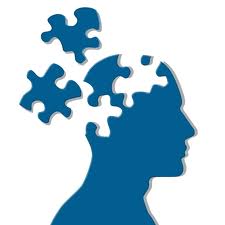
Somehow I never pictured myself breathless and brain damaged at age 67. ‘Disabled’ did not occur to me ever, until things started happening to me. It took me an amazing length of time to believe that I was having trouble breathing. In fact, I didn’t discovery it myself. A very observant MD in Colorado City turned to me once when we were there for Mike’s health and said, “Are your lips turning blue? Let’s do a walking test.” For those unaware, a walking test is a simple walk around a doctor’s office where they test your O2 level before and after your block-long walk. I flunked, dipping far below 90 and yet I still insisted this could not be happening to me. Recently we went through the same test with my brother John, and yes, he denied it, and now he’s enjoying his supplemental O2.

My point is, unless you are literary hit over the head with a new disability (like a head injury?) it is very hard to accept that you may have a big new problem. I struggled against using oxygen at home for quite a while. I simply could not believe it, plus we Carters are known for extreme stubbornness. Now I can only go a couple minutes without it.

The head injuries started in my fifties and who knows, perhaps they were connected with shortness of breath. I know my most recent concussion were related to being out of breath. I went to look for something, forgot my oxygen, and ended up passed out for the floor. Unfortunately Mike was gone for a few days so when I came to I had to crawl over to my bed and get up there to lay down. I never forgot my oxygen again!

The aspect of disability I find both surprising and annoying is when others find it natural or even necessary to feel sorry for me. Some old friends have even stopped communicating with me. Talk about feeling written off! When I heard there is a new TV show called “Not Dead Yet” I thought, that’s me!

What I would like to share with all of you who think I’m done or doomed (aren’t we all?) is that, yes, my brain has changed, but sometimes it feels like it might be for the better.

I know I may have sometimes sounded pathologically optimistic here, but these days I rather enjoy my present state of mind. When I’m sitting staring out at our incredible views of the Sangre de Cristo mountain range, which I do a lot of, there is a certain non-reality that is a bit like being high without drugs. That I like. I also believe that in some strange way I may have become less judgmental and more intelligent by exchanging certain parts of my brain for a less precise and exacting attitude. Call it more flexible or easygoing, but I find that soothing. Perhaps my brain got tired of holding grudges.

Of course living with Mike has helped me a lot. I am definitely the worrywart in this partnership. We Carters are first-class worriers, expertly trained by a number of previous generations. I will never forget a few years ago when I was sitting in the living room listing my well-established list of worries for Mike. He had heard this list too many times, and I guess he was tired of it, so this time he sat back in his easy chair and said, “Who cares! Is worrying about these things going to change anything?” That made a lot of sense to my bruised and shaken brain…