Return to the big cities up north!

We went up north again this past weekend to spend time with old friends, checkout a boat and the scene around Fort Collins. After leaving over seven years ago, I must say we are so pleased to not live there anymore! One of Mike’s friends bought a new home out east in Severance a couple years ago, so we stayed there. East of I-25 it’s non-stop construction… it appears they are building another city just east of the city!
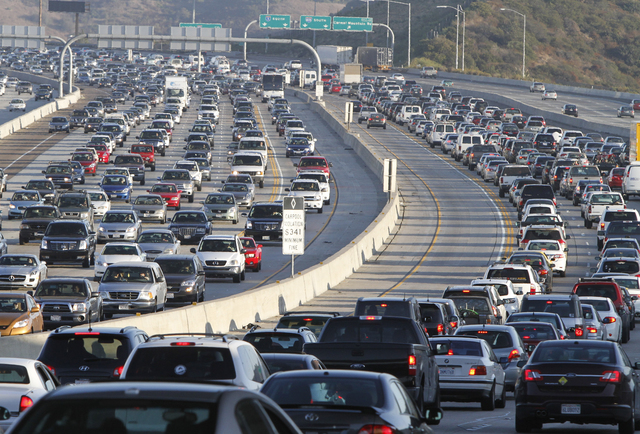
The drive up was so stress-producing for us, after living twenty minutes outside of a one-stop-light town for so long. Colorado Springs-Denver-Fort Collins seem almost like one gigantic city now. And by the time we got to our friend’s house we were beat. Hours of intense traffic is hell on the human body! Our friend Rad has chosen to install the most ‘wired’ home I have ever seen. The security system actually chirps at you as you walk up to the front door, to tell you that you are being filmed. Rasta had to pee in the middle of the night and I had to get everyone up to turn off the alarm before I could open the back door. Convenient or inconvenient?

It’s like another world up there and everyone we know now works from home much of the time. Mike and I were jealous. There is no way we could have worked from home as a solar design engineer and a reference librarian back in the day. So glad we got out when we did!

The world is changing fast and we are not. That works for us ๐Ÿ™‚

What does the censorship of history accomplish?

Of course I must put my two cents in about those who wish to censor certain school library books, partially so we cannot recognize and acknowledge what happened in our past. I was an academic librarian for twenty-five years, most of which did not include censoring our history.

This is one area where history and psychology agree:

“Those who do not know their history are doomed to repeat it!”

In counseling we learn that the first step to any type of change or healing process begins with awareness of our past. If we cannot acknowledge what happened to us, we can never change its traumatic effects or how we now perceive it. How can you change that which you do not even recognize as true? Knowing and feeling your past can be so liberating!

You cannot change what you do not even know about.

Denying our history is not the answer. Historically we have certainly done a decent job of downplaying the slaughter of most Native Americans and their culture, not to mention “normalizing” the practice of kidnapping native Africans and enslaving them. When fully witnessed and acknowledged, our history holds much to be ashamed of. The only solution to this terrible record as a nation is to tell the truth about these travesties and then seek some kind of healing.

As Professor Henry Louis Gates, Jr. on the PBS show “Finding Your Roots” states, we should not feel guilty for the sins of our ancestors. We had no part in the choices they made or the societal pressures put upon them. But if we search out and now know the truth in our history, we can then move forward with a knowledge and understanding of how we should act today and every day in our future.

In addition, I must scoff at those idiots who criticize a decision to choose a non-European-American female for our next Supreme Court Justice. For well over two centuries we all knew that the President would nominate a European-American male for the post. The dominant culture made sure of that. And now these idiots feel threatened by one African-American woman on the Court…. GROW UP!

Postscript: When they tried to ban sex education in Utah when I lived there in the 1980s, we used to say: “If ignorance is bliss than Utah is utopia!” Nah, kids will never figure out what sex is if you don’t tell them…

Our perspective on our present and future

I just realized this past week my new life theme: “Quit trying so hard!” After struggling my whole life for more, I find great relief in simple contentment, my own version of living in the present.

Acceptance releases everything to be what it already is!

If you pay attention to the messages from our culture, you find a constant barrage of: You can do better. You SHOULD be better. The sky is the limit. No matter what your age, do more! To that I say, why? Yes, I understand why younger folks might benefit from hearing that theme, but get real. With my lung and brain limitations, this is as good as it gets, and I would like to feel good about that.

Another theme I hear all around me these day is the comfort so many of my friends find in their families, especially their grandkids. That is wonderful for them. Mike and I have never been big on family and neither one of us were into kids. Reminds me of a bumper sticker I saw in Denver ages ago: “Thank you for not breeding.” I remember thinking, “Wow, nobody ever thanked me before!”

Mike and I have been environmentalists forever. We believe in building native gardens and solar homes, using fewer natural resources and living a simple life. We find daily meaning and satisfaction living close to nature and we each have our own ongoing creative projects.

The one desire that keeps coming up for me, is a strong ‘need’ to spend some time on a beach somewhere near the ocean before I die. I have spent a few of my most glorious days on earth on the beaches of Cane Garden Bay, Tortola (BVI), on the Kona Coast of Hawaii and at Pattaya in southern Thailand back in the 1970s. So I say, take me away now to any isolated, beautiful beach! I have some purely intuitive urge to go back to where we all came from.

Thank you readers!

As one more year slips away, I wish to thank all of you who come by here occasionally to see what’s happening in Mike and I’s life. I know we are not action-packed, just 65+ers surviving day by day…

You may sometimes wonder why I write here. The best reason I can think of is to keep myself going. As most of you know, I have been slammed with health problems in the past few years, and the truth is, I don’t know how much longer I can keep writing, but it gives me meaning every time I do it. Otherwise I wouldn’t bother. Don’t worry, I am NOT trying to be an ‘influencer’ here.

In return for your loyalty, I will share a few of my favorite T-shirt sayings I have seen lately. I don’t wear T-shirts, but if I did, these are the ones I’d choose. Perhaps you can relate to a few of them:

From years of living alone:

Sometimes I talk to myself, then we both laugh & laugh!

A Rasta Special:

All dogs are therapy dogs. Most are just freelancing.

From the therapist in me:

Keep talking. I’m diagnosing you.

From the writer in me:

I’m silently correcting your grammar… (And also noticing all misspelling everywhere!)

From the analysis paralysis in me:

Hold on. Let me OVERTHINK this…

And my favorite doormat:

Come in. We are awesome!

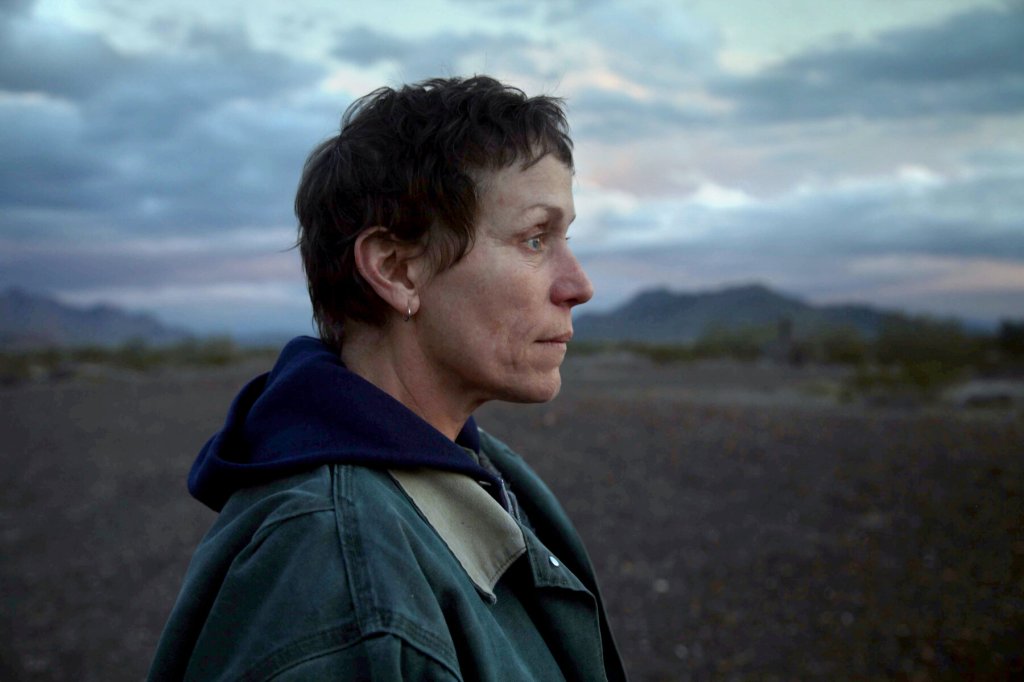
Aren’t we all a little lost in ‘Nomadland’?

I know, I get the movies a lot later than most of you. I borrow them from La Veta Public Library, such a lovely, friendly place, where everyone knows my name ๐Ÿ™‚ It’s so much more personal than streaming…

In the first few minutes of watching the film ‘Nomadland’ I thought about my brother John, who was homeless until about a year ago when we helped him find a home in Walsenburg. I thought, here we go, this is going to really make me appreciate the fact that I have a lovely solar home on a ridge overlooking the Spanish Peaks and the Sangre de Cristo range, and yes, it certainly did that. But as I got deeper into the daily life and choices of Fern, the roaming nomad in this film, I understood the metaphor presented for all of us to relate to. Questions like: Do we need to work to feel adequate? Do we look down on the nomads we meet and should we? What about all the homeless in towns like Walsenburg whom we see sleeping in doorways and down by the river? What about them?

Nomadland was unique in some ways because all of the characters were mobile, moving from place to place for jobs, or help from others, or whatever suited them. The freedom of being mobile was important to who they were. They also found great fellowship with other nomads by camping together for long periods of time. Not everybody wants to be alone all the time, or around others much of the time. I got their lifestyle and their choices. I loved the honesty with which these folks spoke of end of life choices like choosing not to die in a hospital, and their own celebrations of life when one of their members died.

Many of them were depressed and why not? How many of us wonder everyday about our world and where it’s headed? Past a certain age, loss is a major factor for all of us. Loss of abilities, health, independence, loved ones, stability and sanity. The characters here deal with all of that day to day in an honest way, like we all must to some extent.

Pretending that life will not change or that this will not end soon is hopeless. We may all be lost in our own version of ‘nomadland’ and this film might help you accept that.

Winter Solstice & Gratitude

In the cool darkness of the early morning, my thoughts turn to the billions of people who have come before me. How difficult must their lives have been. I am reminded of the quote from Thomas Hobbes (5 April 1588 โ€“ 4 December 1679), considered to be one of the founders of modern philosophy. Back then, he described human life as โ€˜nasty, brutish and short,โ€™ which serves to remind us of what a good time and place we were born into.

In spite of my own very human problems, I feel fabulously lucky to have lived the life I have been given. Living in a time with access to nutritional food, heat in our homes, nice clothes, vaccines, comfortable transportation to almost anywhere and access to an excellent education, books, media, wonderful music, we must be some of the most fortunate humans in history! And yet, all we do is complain… We seem to lack perspective.

The Shortest Day

The Winter Solstice in Human History

The winter solstice was a special moment in the annual cycle for most ancient cultures back to the neolithic. Astronomical events were often used to guide activities, such as the sowing of crops and the monitoring of winter food reserves. Many cultural mythologies and traditions are derived from this.

This is attested to by physical remains in the layouts of some ancient archaeological sites, such as Stonehenge in England and ceremonial structures in New Mexicoโ€™s Chaco Canyon. The primary axis of these monuments seem to have been carefully aligned on a sight-line pointing to the winter solstice sunrise and the winter solstice sunset at Stonehenge.

To the Ancient ones, the winter solstice was immensely important. They were economically dependent on monitoring the progress of the seasons. Starvation was common during the first months of the winter, January to April (northern hemisphere) or July to October (southern hemisphere), also known as โ€œthe famine months.โ€ In temperate climates, the midwinter festival was the last feast, before deep winter began. Most domestic animals were slaughtered because they could not be fed during the winter, so it was the only time of year when a plentiful supply of fresh meat was available. The majority of wine and beer made during the year was finally fermented and ready to drink at this time.

I have found this day to be a good time to count my many blessings. The sun will return to bring spring to warm the earth and make my sky garden bloom again. So yes, we do have so much to be thankful for. Let us all rejoice!