After over 50 years, my Love Letter to Colorado

The Flatirons in the 1960s from Crossroads Mall, our favorite place to shop!

I was introduced to Colorado at the ripe old age of eleven, when my Dad decided to take a new job in Boulder. That transfer from a small town in Kansas to this mecca of hippie culture in 1966 moved me fast forward into a new way of seeing. I’ll never forget the time some guy on “The Hill” offered me acid at age thirteen. I much preferred candy at The Country Store on Broadway at that age. For us the culture shock was just beginning!

A couple years later we moved to Colorado Springs so my Dad could take a job at Colorado College. From one of the national centers of hippie culture to a majorly conservative military town, how shocking for our young, vulnerable minds. Between Fort Carson, The Air Academy, Peterson Air Force Base and NORAD, the military presence was hard to miss, and our teachers in junior high and high school were often retired military officers. My brother John, the natural rebel, had the most trouble with the conservatives there. He got suspended from school for wearing a peace symbol around his neck! We all wore black armbands when members of the Ohio National Guard fired into a crowd of Kent State University demonstrators, killing four and wounding nine on May 4th 1970. This was the first time I protested anything.

“Tin soldiers and Nixon coming, we’re finally on our own.
This summer I hear the drumming
Four dead in Ohio… ” – Crosby, Stills & Nash

Then I went to college for short periods at Colorado College (2 years), University of Northern Colorado (1 semester) and CU-Boulder in quick succession. What was I seeking? To understand Asia and learn Chinese after living in Bangkok at the end of the Vietnam War.

Over the years after college I lived in Asia, on the West Coast (Seattle), near the East Coast (Cornell University) collecting graduate degrees and worked at a number of university libraries. But Boulder always called me back. I felt safe and comfortable there. After one of my most harrowing years, studying Chinese at the Stanford Center in Taipei, I found myself sitting there wondering where I should move next. I chose Boulder, a place where I always felt safe and comfortable. I ended up with a position at CU-Boulder libraries for a few years.

Mount Blanc Fall of 2018

So really the theme of my life has been, go out and explore the world, then return to Colorado for safety and reassurance…

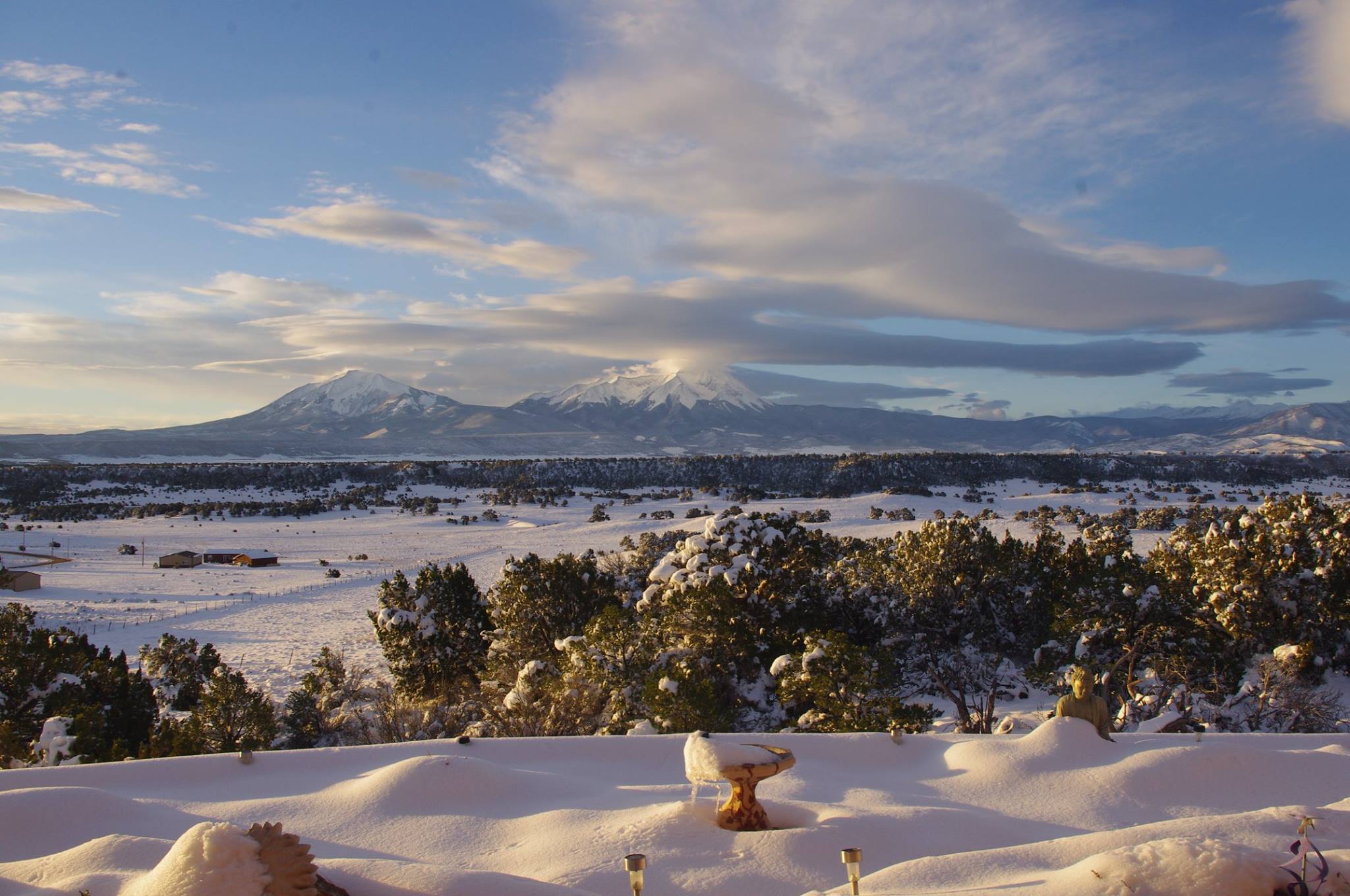
The crowning glory of my love for Colorado has been our move almost seven years ago down to the foothills west of Walsenburg. Out in the country, with an astounding view of the Spanish Peaks and the Sangre de Cristo Mountains, far from all the people noise, that’s the Colorado I love best! I have climbed peaks, run rivers, even biked a few off-road trails, but now I’m happy just looking outside and dreaming of past adventures…

“The world is full of magical things, patiently waiting for our senses to grow sharper.” – W.B. YEATS
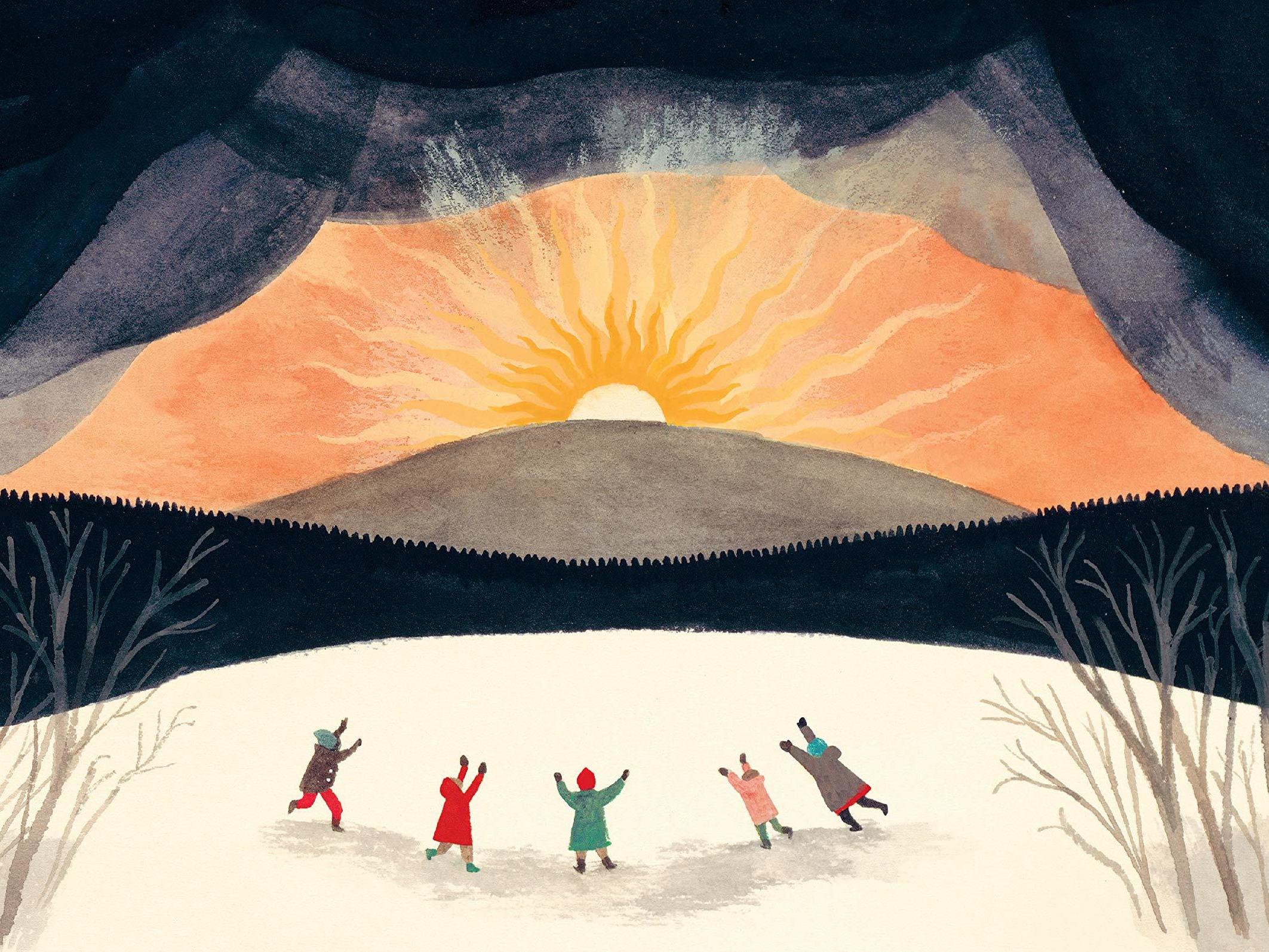
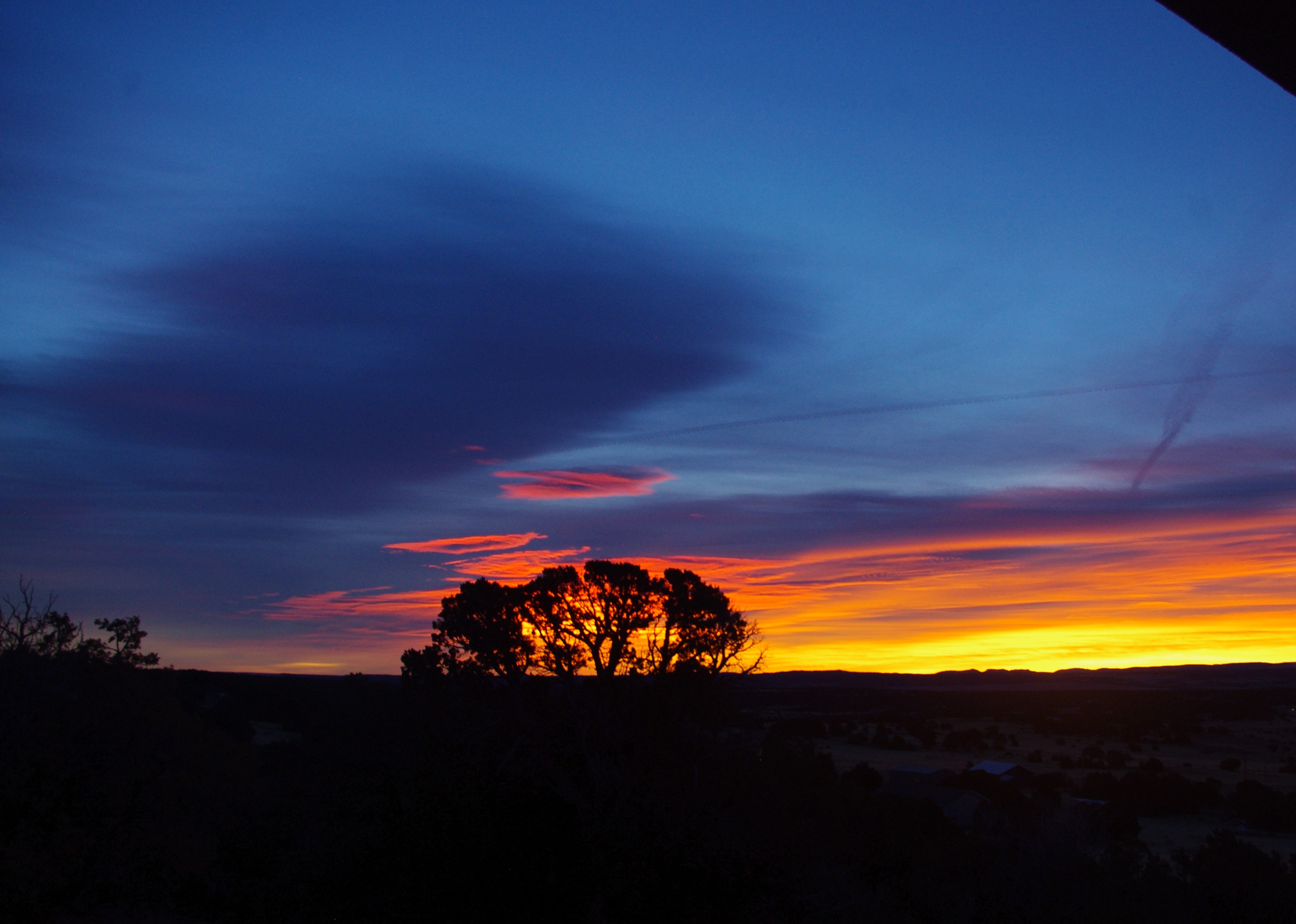
Winter Solstice 2020

Tomorrow, Monday the 21st will be the darkest day of our year. This is the day with the fewest hours of daylight, marking the start of astronomical winter. After this solstice, days will begin getting longer and nights shorter as spring approaches.

The word solstice is derived from the Latin word sol (“sun”) and sistere (“to stand still”), because at the solstices, the Sun appears to stand still. The seasonal movement of the Sun’s daily path (as seen from Earth) pauses at a northern or southern limit before reversing direction.

The Winter Solstice in Human History

The winter solstice was a special moment in the annual cycle for most ancient cultures back to the neolithic. Astronomical events were often used to guide activities, such as the sowing of crops and the monitoring of winter food reserves. Many cultural mythologies and traditions are derived from this.

This is attested to by physical remains in the layouts of some ancient archaeological sites, such as Stonehenge in England and ceremonial structures in New Mexico’s Chaco Canyon. The primary axis of these monuments seem to have been carefully aligned on a sight-line pointing to the winter solstice sunrise and the winter solstice sunset at Stonehenge.

In the midst of gathering darkness, light becomes ever more valued…

The winter solstice was immensely important, because the Ancient ones were economically dependent on monitoring the progress of the seasons. Starvation was common during the first months of the winter, January to April (northern hemisphere) or July to October (southern hemisphere), also known as “the famine months.” In temperate climates, the midwinter festival was the last feast, before deep winter began. Most domestic animals were slaughtered because they could not be fed during the winter, so it was the only time of year when a plentiful supply of fresh meat was available. The majority of wine and beer made during the year was finally fermented and ready to drink at this time.

For me, this Winter Solstice has even more meaning, following one of the worst years in American history. This Solstice gives me hope that next year will be so much better in so many important ways! 🙂

Photos of building passive solar in Colorado in the winter: Deck the roof, not the halls!

My intuition told me to go back and look at some previous photos from six years ago, when we were building our passive solar home in the foothills of southern Colorado. Sure enough, December 17th six years ago was the day we put decking on our roof.

Unless you’ve built something yourself, you may not appreciate the idea of “drying in” your structure, but this is major, especially in the middle of winter in Colorado.

I remember when we drove up here, there were workmen all over the top of our house in very cold weather, working their asses off! Our contractor brought all his friends over to work on a Saturday to get this done. What was amazing was how comfortable they all seemed up on that roof! A snow storm came in later that day…

But the roof got covered and we were halfway to being dried in.

We got so excited about the smallest progress back then, after taking five months just to get approval from the county and our slab poured properly for passive solar heating! They forgot the insulation for the slab at first, but Mike got on them for that!

The windows came next! It was finally looking & feeling like a home!

But there were still a million more details to work out…

but we got her done and moved in on the first of August 2015.

Then we rested while staring out at our spectacular view, for months, none stop! We cannot get enough of this even years later. The silence is magnificent!

Crisis or opportunity? How do we convert our breakdowns into breakthroughs?

Watching the news these days fills me with sadness. I feel like the witness to the worst misfortunes that have befallen this country in my lifetime. Job loss, poverty, hunger, terrible health losses and death, not to mention the worst economy perhaps ever. This is truly a terrible crisis for everyone involved. I do feel badly for those who feel no hope as this year comes to a close. Those of us who now live on Social Security and Medicare are so fortune that we have survived our own crises and lived this long.

When I look back over my own life, I remember when I lost a job, then ran out of unemployment checks, my fears of losing my home and the depression that ensued. This was not so many years ago for me. This was my life in 2004. I remember crying with the counselor at the state employment office, my desperation was that great. Since then I have lost my health to an unidentified problem with my lungs. Mike also almost lost his home when Chronic Fatigue Syndrome (CFS) dominated his life in his mid-30s. He had to move out and rent his home so he would not lose it. I would not wish these kinds of crises on anybody. Mike and I do know that hopeless, sinking feeling personally. That is why we give to charities for the hungry and homeless.

What I did when disaster struck was sit down and consider how I would now find a way to land on my feet and avoid future misfortunes. Mike and I feel we both learned a lot from our own crises, things like how to protect our assets, ask for help and find strength inside that we did not know we had. We also learned not to be critical when bad things happen to others. In other words, we learned compassion in place of harsh judgment. We never could have imagined that these crises would happen to us, but they did, so the first goal is to not be too critical of ourselves. We now know that compassion must begin at home and then expand outward to those around us. Judging those who suffer does nothing to help them problem solve. Although it may seem harsh, the Chinese were correct when they combined the characters “danger” and “opportunity” in their word for crisis.

What is this difficult situation teaching me? What opportunities are presented right now for me to benefit from?

If you live through the crisis, you must then struggle to find the opportunity that may be well-hidden in your terrible misfortune. In every crisis there is a message. This is nature’s way of forcing change into our lives. What old structures or ways of thinking need to be reviewed? What bad habits can go so that we can try something different and better? Sometimes life crises require some serious soul searching and surgery to cut out the worst assumptions we have made about ourselves. This can lead to psychological reframing of our problems.

For me, my midlife crisis (divorce, job loss, career loss) led to a brutal analysis of what I needed most in my life to make it worth living. I decided that love was my greatest need and highest priority, and I would need to make some major changes in my heart and mindset to make that happen. I would also need to learn to listen carefully to my intuition, the wisdom inside that had been accumulating for decades. Why had my culture taught me not to listen and believe in these messages? Once I started to listen to them, they came through even more clearly and I followed them. This process led me to a positive career change and love.

Eventually I would appreciate my crisis, because without it I would have never changed so much. Today I’m so glad I got divorced and lost my job. Only then was I ready to accept love and embrace a whole new way of living and loving. I heard the message of my crisis and saw the opportunity within it. Is it time for you to do the same?

I am a trained psychotherapist and have written a few books about how this process works…

A Lifetime of Christmases!

Yesterday, at the end of our annual viewing of “Polar Express” I was unexpectedly overwhelmed with memories, both recent and long ago. What is it about Christmas?

In our family, I was always the one who insisted that we do it up right, while my Dad protested. We weren’t religious, so why celebrate Christmas? To this day, I don’t know why I insisted, but I’m still glad I did. I believe we all need rituals in our lives, a special way of marking and recognizing the ways we grow and change through the years and decades.

This year I especially feel my history from childhood on up, and I miss my Dad very much. Even though he could be an old stick-in-the-mud at Christmas, he was always there.

Soon we will put up our tree and I will probably cry when I look through my special decorations which mark and celebrate the many years of my life. So many memories, some harsh, some jubilant. Such is life!

Surprise! I’m looking forward to Christmas!

This is the time of year I usually post my “I’m beginning to dread a lot about Christmas” post. Once those ubiquitous commercials begin, I start complaining. But this year feels different. I’m anxious to get our tree cut (from our own land!) and decorated, and I’ve ordered just a few small, special gifts online. I wonder why…

I think it’s because of the tough past few years. I know I was too depressed last Christmas to decorate the tree. My health has been a constant concern for a few years now. When you’ve been consistently healthy for most of your life up until around age 60, and then you keep having serious new ailments turn up, it’s disconcerting to say the least. The one I fought the hardest was going on fulltime oxygen. I simply could not believe it, and I also didn’t want to! It’s terribly cumbersome, expensive and irritating. Try fixing dinner while trailing around an O2 tube. But I did somehow adjust after a couple bad falls and much difficult breathing convinced me.

Funny how illness may help one appreciate things in whole new ways. When you are no longer so certain that you will be here for Christmas next year, you see things differently. Now I want to enjoy every little detail. Oxygen tube or not, I want to be present for every moment now.