Winter Solstice & Gratitude

In the cool darkness of the early morning, my thoughts turn to the billions of people who have come before me. How difficult must their lives have been. I am reminded of the quote from Thomas Hobbes (5 April 1588 – 4 December 1679), considered to be one of the founders of modern philosophy. Back then, he described human life as ‘nasty, brutish and short,’ which serves to remind us of what a good time and place we were born into.

In spite of my own very human problems, I feel fabulously lucky to have lived the life I have been given. Living in a time with access to nutritional food, heat in our homes, nice clothes, vaccines, comfortable transportation to almost anywhere and access to an excellent education, books, media, wonderful music, we must be some of the most fortunate humans in history! And yet, all we do is complain… We seem to lack perspective.

The Shortest Day

The Winter Solstice in Human History

The winter solstice was a special moment in the annual cycle for most ancient cultures back to the neolithic. Astronomical events were often used to guide activities, such as the sowing of crops and the monitoring of winter food reserves. Many cultural mythologies and traditions are derived from this.

This is attested to by physical remains in the layouts of some ancient archaeological sites, such as Stonehenge in England and ceremonial structures in New Mexico’s Chaco Canyon. The primary axis of these monuments seem to have been carefully aligned on a sight-line pointing to the winter solstice sunrise and the winter solstice sunset at Stonehenge.

To the Ancient ones, the winter solstice was immensely important. They were economically dependent on monitoring the progress of the seasons. Starvation was common during the first months of the winter, January to April (northern hemisphere) or July to October (southern hemisphere), also known as “the famine months.” In temperate climates, the midwinter festival was the last feast, before deep winter began. Most domestic animals were slaughtered because they could not be fed during the winter, so it was the only time of year when a plentiful supply of fresh meat was available. The majority of wine and beer made during the year was finally fermented and ready to drink at this time.

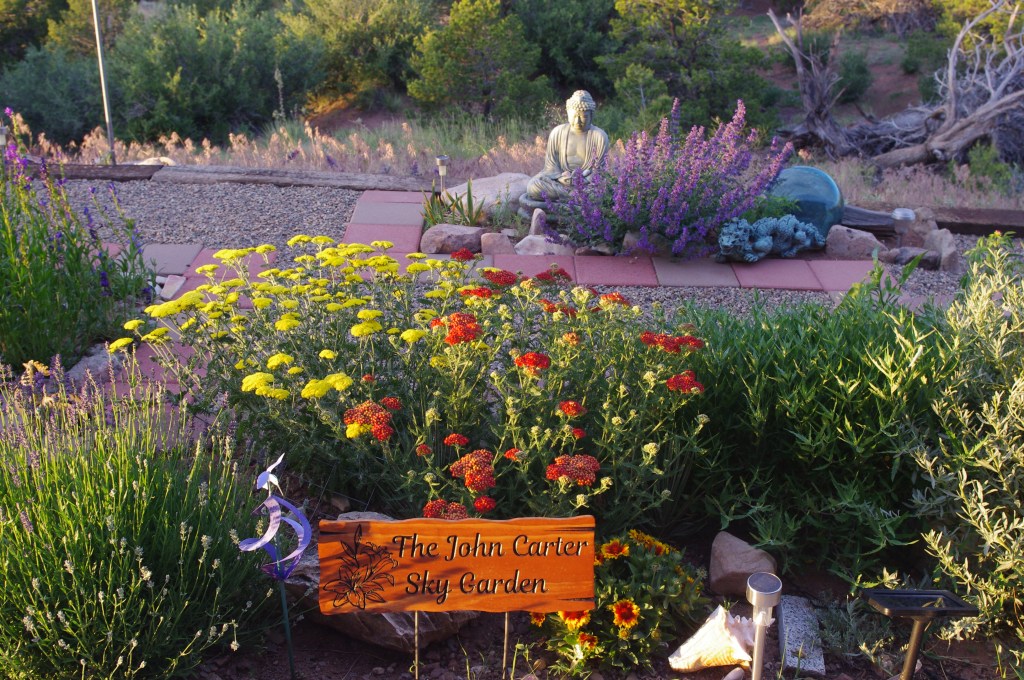
I have found this day to be a good time to count my many blessings. The sun will return to bring spring to warm the earth and make my sky garden bloom again. So yes, we do have so much to be thankful for. Let us all rejoice!

What have I found to be healing?

I’ve been thinking a lot lately about our use of the word “healing” in normal conversations. There can be no doubt that many who have defined themselves as spiritual healers have plundered this word to gain the trust of those who feel unhealthy, unhappy or incomplete in their lives, but what does it really mean?

Definition of healing: according to the Oxford English Dictionary, the process of becoming or making somebody/something healthy again, OR with physical damage or disease suffered by an organism, healing involves the repair of living tissue, organs and the biological system as a whole and resumption of functioning.

I have been incredibly lucky to have experienced mostly good health in my life. Even as I suffered from many emotional challenges, I kept my physical health, mostly. It has only been in the past six years that the physical difficulties arrived. In my past, my struggles have tended towards emotional.

This morning’s sunrise from our home in rural southern Colorado

Emotional Healing

I finally found a truly ‘healing’ therapist in my thirties in Boulder and met with her for over five years. She provided for me my first trustworthy relationship in my life and then proceeded to offer me reframing and reparenting therapy, which showed me why I had suffered so much in my past and how to move forward in a more healthy way. This is why I believe strongly that most could benefit from finding the proper psychotherapist and spending a few years building trust with them. There is no doubt in my mind that this therapist saved my emotional life and set me on a much healthier path towards full-personhood. But this healing therapy required much trust and time to occur. I paid cash for those five years of counseling, and to this day I feel those were the best dollars I ever spent!

Spiritual Healing

In addition to a number of positive counseling relationships with others, I used the skills I gathered from studying counseling at Naropa University for five years, to learn to love and accept my Self, so much so that when I hit a major midlife crisis at age 49, I was properly prepared to change many aspects of my Self. When I got divorced, lost my job and then my career, I found I had the time, the need and energy to spend a year or so alone, deciding what was next for me. That was when I made a conscious decision that my highest priority for the rest of my life was to experience genuine love and loyalty from another person. As soon as that became my most honest and powerful priority, I met someone worthy of my love and trust.

This has been my second most powerful healing experience for the past seventeen years. Learning trust on deeper and deeper levels has made me feel truly safe and happy for the first time ever.

The Healing Power of Nature

My final healing experience might at first appear contradictory. We moved to a rural space in southern Colorado in 2014. At first I was resistant because it was all so foreign to me. I had always lived in cities for my career as a University Librarian. Now I found myself in a bit of a foreign land and it took me a few years to adjust to the peace and beauty of this land…

From the beginning it was the silence that seduced me. Observing sweeping, majestic sunrises and sunsets also gave me a new sense of purpose and peace. I found my city-induced, unconscious level of vigilance slowly melting away as I relaxed into the safety and peace of Mother Earth.

Today I rejoice in the fact that I have found my sacred place to throw my ashes when I die…

In contrast, my health has slowly dwindled by living at 7,000 feet. It took me a long time to accept that I would need supplemental oxygen to continue to live here. Falls and concussions have become more common. No, life is not perfect, but this place still feels like home in the best sense of that word.

When I look out over the Sangre de Cristo Mountains numerous times each day I feel certain I am home…

So, as I look back over my life I see that I needed to learn lessons in loving my Self, loving others and loving the silence and solace of living closer to nature to heal my life. All of these avenues to better health were chosen by me either unconsciously or on a fully conscious level. All I feel is gratitude at this point in my life…

Postscript: After further thought I realized I need to add a few more important avenues to my own healing: pets, art, music, travel, writing, reading, art, color, my still lifes, the weather, photography, gardening, and especially the SUN!

Are all illnesses caused by our minds?

You cannot control how other people receive your energy. Anything you do or say gets filtered through the lens of whatever they are going through at the moment, which is NOT ABOUT YOU.

I met a new person this week who has me quite perplexed. After speaking to her for only a few minutes, she offered me quite a bit of advice. She diagnosed my problems as, “You need to get out of your head to attract good health and healing.” Her swiftness and certainty was disturbing and mildly annoying considering the fact she does not know me at all. She apparently believes all physical ailments are simply a manifestation of emotional problems. Solve those and the illness disappears. This left me wondering, if I told her I have lung cancer, would she recommend better counseling?

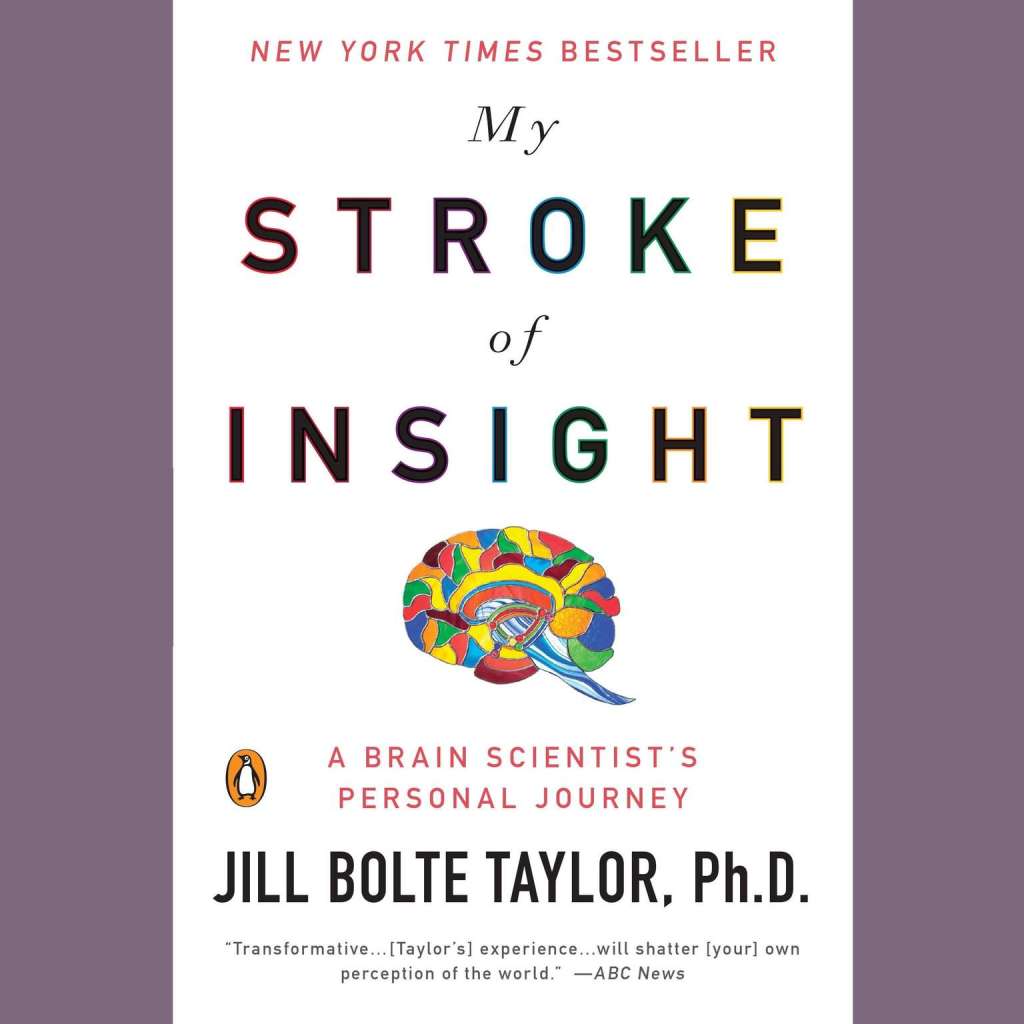
To deal with my confusion I spent some time today talking with my favorite health professional about my exchange with this self-defined “healer.” She first emphasized to me that there is no certainty in the field of medicine. That is why they call themselves “practitioners.” Even what may seem like a perfect diagnosis after months of testing and analysis still has no certainty. So for someone who describes herself as a “healer” to decide after just a few minutes of conversation that she knows how to “fix” me is absurd. That same health professional I once told to “Walk a mile in my shoes!” when she suggested that she knew how it felt to be constantly out of breathe while dealing with a severe head injury. Since then my friend has read and recommended the book: “My Stroke of Insight: A Brain Scientist’s Personal Journey” by Jill Bolte Taylor Ph.D., who experienced a massive stroke at age 37. Now I believe my friend has a much better understanding of what I deal with every single day.

Blaming the victim?

I never forgot an image from my counseling internship at a rehab hospital 25 years ago. I went in to speak to an elderly lady and the first thing she said was, “Why is this happening to me? Doesn’t God love me anymore?” In other words, what did I do to deserve this illness? First of all, we all will die of something. I do not believe we “cause” everything that happens to us. Did Jill Bolte Taylor, a Harvard-trained brain scientist, cause her own stroke? Did I choose or cause myself decades of bronchitis and extreme breathing difficulties? Did I somehow choose to almost die numerous times from hypoxia? What about genetics, air pollution, and my choice to live a stress-filled life in a number of foreign countries?

What do we hope for when we make ourselves vulnerable to others?

What I need from others when I tell them about my difficulties in breathing and concentration is caring concern, non-judgment and, most of all, compassion. I crave exactly what David Richo lists in his book “How to Be an Adult in Relationships.” Drawing on the Buddhist concept of mindfulness, David recommends we offer others our attention (observing, listening, and noticing the feelings at play), acceptance of them just as they are, appreciation of their gifts, limits, longings and affection.

After a lifetime of carefully observing how others respond to pain, I was disappointed with this recent acquaintance. Some run away from pain or change the subject. Others immediately try to “fix” me. When they suggest that they have simple answers to complex problems I have been dealing with for decades, I know they do not know of what they speak.

Lessons in disability & compassion in action

Oh the things we can learn when accidents happen. After a lifetime of glorious health, I am now learning how challenging physical disabilities can be. From a healthy 60 year old a few years ago, I have become breathless and often confused. That popular phrase “I can’t breathe!” is a daily reality for me now and these difficulties have led to numerous falls and concussions. I am now working with a pulmonologist and a neurologist for lung disease and post concussion syndrome that causes great dizziness at times.

What does illness and suffering teach us? Compassion for others who suffer. The first time I spoke directly to Mike (my husband of 16 years) after meeting him through Match.com, he told me he suffered from Chronic Fatigue Syndrome (CFS). At that time I hadn’t the slightest idea what that was or how it might impact our lives. At first he tried to hide some of his symptoms from me, avoiding me when he felt especially bad. It was only later that I learned the crushing cruelty of this at-that-time undiagnosable disease that haunted Mike for decades. He went from a strong 35 year old who could run up mountains, to chronic fatigue that worsened with physical activity, but did not improve with rest, difficulties with memory, focus, concentration and dizziness that worsened with any movement from lying down, sitting or standing. Imagine how depressing that would be for you. And worse, few physicians would believe him. They showed no compassion and would simply say, “You’re just depressed” or “See a psychiatrist.” From this, Mike learned deep compassion for those who suffer with unexplainable illnesses and disabilities. This quote from Gandhi describes Mike’s life perfectly now:

“The best way to find yourself is to lose yourself in the service of others. The difference between what we do and what we are capable of doing would suffice to solve most of the world’s problem.” – Mahatma Gandhi

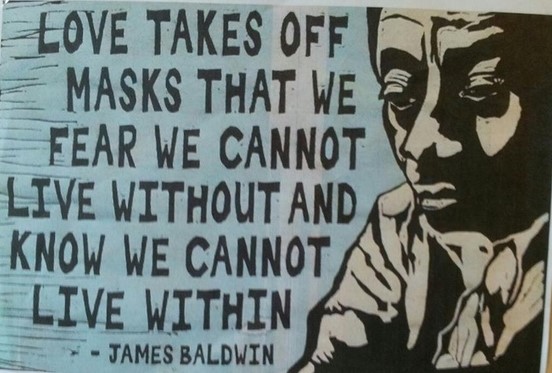
One of my favorite sayings has been this for decades:

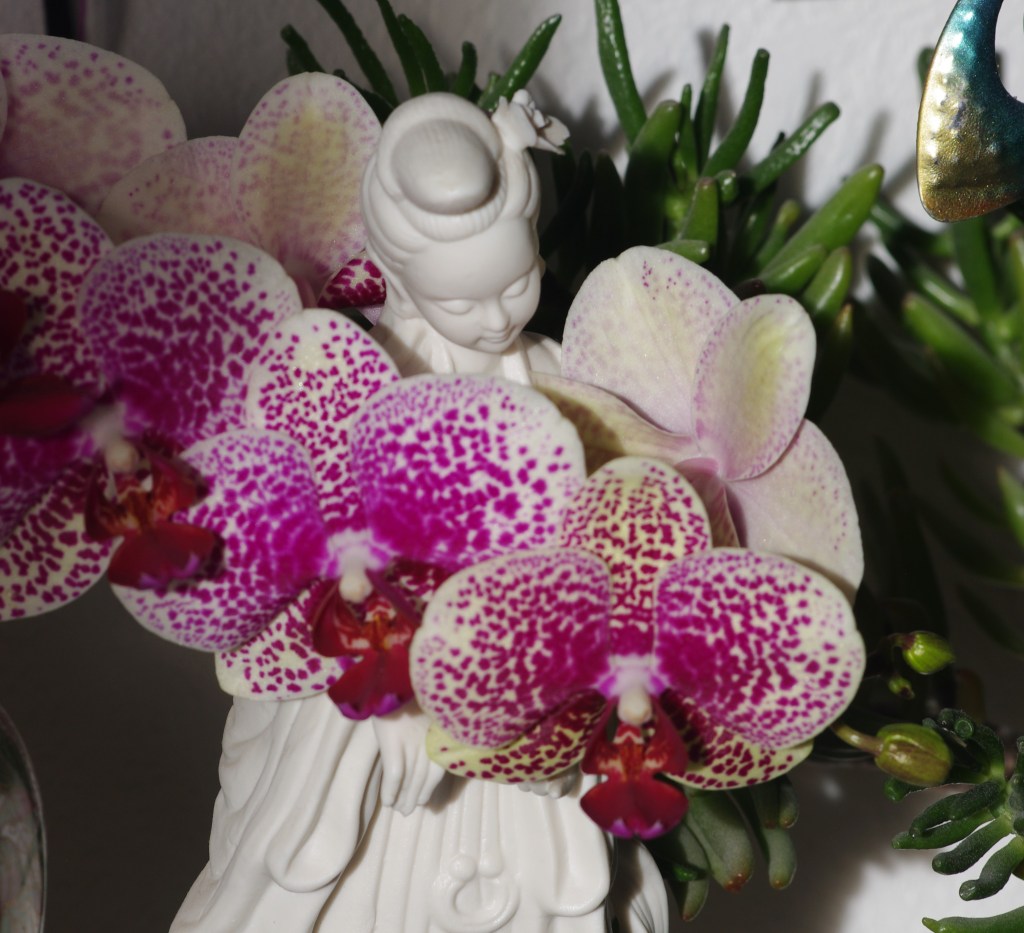
and Guanyin, the Chinese Goddess of Mercy, my daily reminder of compassion in action.

These are some of the most important lessons we can learn in life, and we are learning them well

One of my favorite movies EVER!

Raised in small towns in Iowa and Kansas, my first memories of Asia were greeting my Dad when he returned from his regular journeys to India. He always brought back beautiful souvenirs and slides to show us. As a child, the strangeness of this very different culture halfway around the world, fascinated me. I was also introduced to Indian music and food very early. To this day they are my favorites!

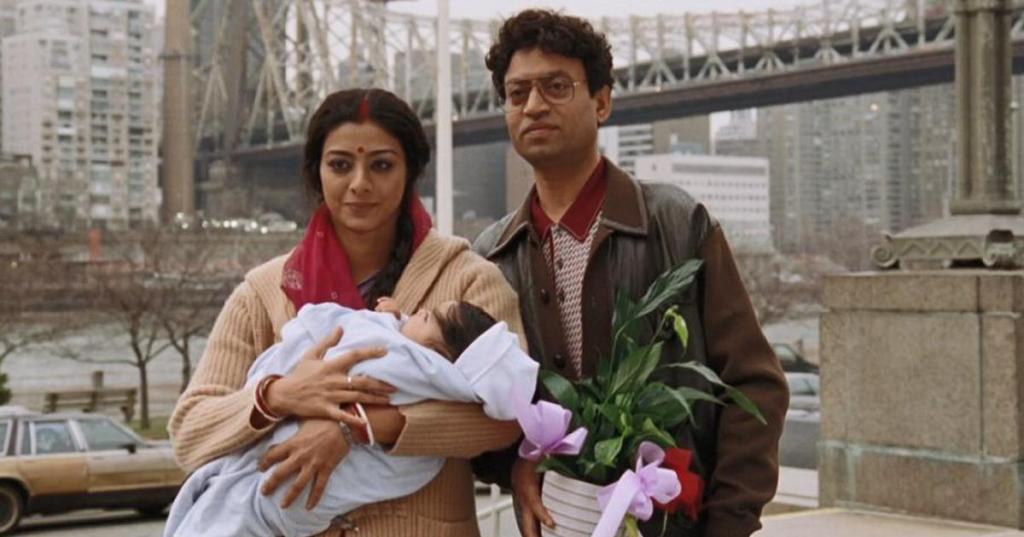
This is all to show you why I fell in love with the film “The Namesake” at first sight this week. The music, from the very beginning, with Tabu’s incredible voice(!), is exquisite. I couldn’t help but wish that this experience came with a lovely, big Indian meal. Mira Nair is my new favorite director. I must see more of her films! But what struck me the most was the emotional depth of her style of storytelling and the beauty of the people of India. That and how much I was drawn to the actor Irrfan Khan, who died this year at 53. He was truly “distinguished and charismatic” and “an enormously valuable bridge between South Asian and Hollywood cinema,” according to Peter Bradshaw of the “The Guardian.” I also loved him in the film “Puzzle” from 2018.

Coming to America….

The story is quite simple. The Namesake depicts the struggles of Ashoke and Ashima Ganguli, first-generation immigrants from West Bengal to the United States, and their American-born children Gogol and Sonia. The film takes place primarily in Kolkata India and the New York City area. I was constantly reminded of generational differences in my own family growing up, as this first generation American family struggled with the different cultures of India and America. And we thought our Dad didn’t understand our generation! Imagine what is must be like if your parents are from a culture a world away.

The film is also an excellent example of the contrasts between Eastern and Western cultures. The East is far more family and community oriented. They find Americans self-centered and even selfish. In the West we do what we please, especially when we are young. Family may become important later for us. I found this film to be a commentary on the toxic loneliness of American society today.

Northern Thailand, 1973

Ever since I lived in Bangkok in 1973-74, I have found Asia to be so different and yet so fascinating. As a teenager I felt almost like I had gone to the moon, everything was just so different compared to Kansas and Colorado. In college, graduate school and in my career as a librarian, I worked to bring these two worlds closer together in the eyes of Americans…

but now I can see that movies like this do the most for us all to truly understand and appreciate our own shared humanity. There is no world that needs this more now than the human race. I found this film so soothing…

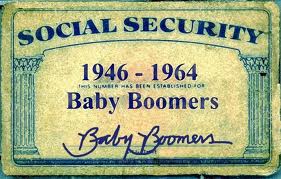
One boomer’s ridiculous dilemma: Beginning to spend all of that saved up delayed reinforcement!

As many of you know, my health has been failing for the past few years, and with one additional serious concussion in April, it appears clear, at least to me, that it’s time. Time for what? Time to begin spending all of that “delayed reinforcement” from the past 45 years of my life.

If you’re anything like me, you have been saving money for as long as you can remember. Why? I guess because I was completely brainwashed in the cradle to save up for my old age. So, exactly when does that “old age” begin? Strange to say, I don’t find myself as the best judge of very much lately, not with this many brain injuries! But I am fairly clear I not going to be living forever and also not sure how long my brain is going to last. One fun fact I learned recently:

Head injuries accelerate aging: “The current state of the literature provides support for the argument that TBI can result in diminished cognitive reserve which may accelerate the normal process of cognitive decline, leading to premature aging, potentially increasing the risk of dementia.”

That explains a lot! The irony in all of this is not lost on me (yet!) I have always prided myself on my excellent brain. Now what? Is it really time to begin spending my wad? I find that hard to believe and even harder to do…

When you have spent your whole life trying to save money, how do you suddenly cut loose? It’s kind of the opposite of the poor guy winning the lottery. Of course he’s going to overspend immediately, but everything in my background suggests that holding on to money is your best avenue to happiness. I know that if I don’t get some big trips planned I probably won’t be taking them. How do I loosen the purse strings? How do I give myself a luxury vacation?

I know, most of the human beings on this planet would like to have such problems, but there it is…