
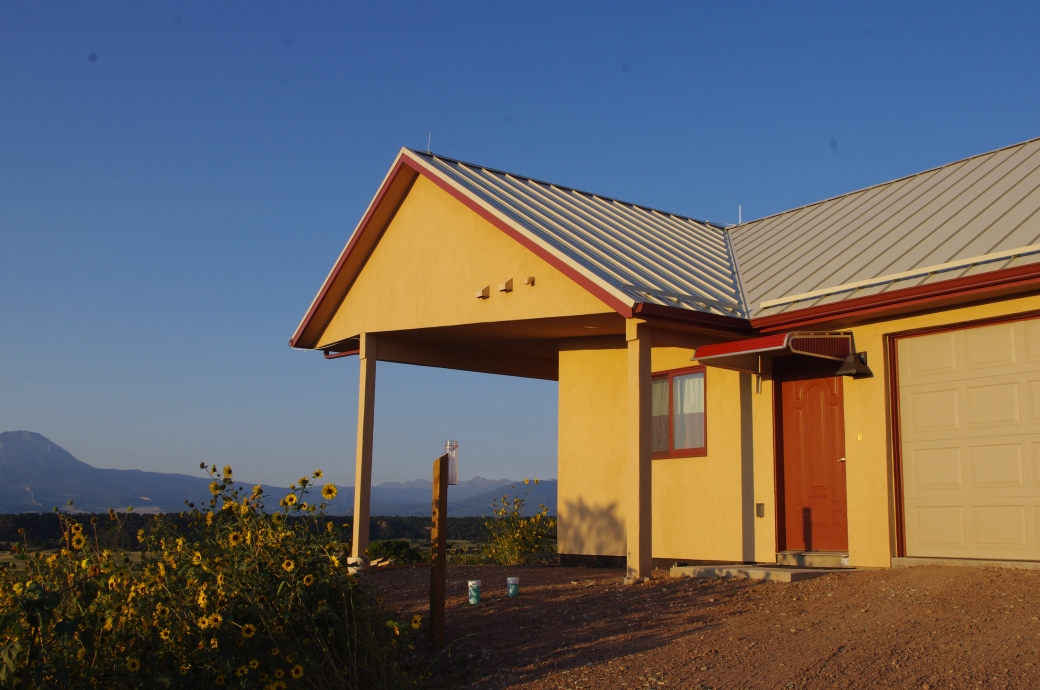
Amazing sunrise from our new passive solar rural home in southern Colorado
I wrote this on May 7th 2014:
Many of you may be like us, making some big decisions about where and when to retire. We just signed a contract yesterday to sell our home in Fort Collins, and move south in the next month or so.
When we started thinking about this major change, we chose to remain in Colorado for a number of reasons.
We were looking for inexpensive land to build a solar home with great views and a cleaner, quieter, calmer existence. We found that in the rural southern part of our state.
Then I just found out this week that in terms of medical care and finances we made a very good choice!
First of all, Colorado ranks in the top quartile in healthcare systems nationally, beating out all other western states. Then I saw a new Bankrate.com financial survey announcing the best states to retire to. Colorado ranks number two, only after South Dakota.
Here’s a quote from that article: “Colorado gets above-average marks for cost of living, crime rate, health care quality and taxes. The Gallup-Healthways survey finds that the well-being of Colorado residents ranks among the highest in the nation.”
The first thing you need to know about Colorado is how different parts of the state really are. Most Coloradans live in what we call “the front range” cities like Fort Collins, Boulder, Denver and Colorado Springs. Then there are the mountains which are beautiful, but cold, snowy and generally an expensive place to live.
I have spent most of my life living in Colorado Springs, Boulder and Fort Collins, and to my mind, a city is a city in terms of their ever increasing cost of living, overcrowding, traffic, pollution and quality of life. After living the past nineteen years in the Fort Collins area, I can say these are our worst problems, and they are not going to get any better ever.

Mike is ecstatic to move out of the city and have this view everyday!
The rest of the state is rural and quite different than “the front range.” The eastern plains are mainly small farming communities and the mountains have few good job opportunities. We have chosen to put down new roots in a rural area west of Interstate 25. We have found the perfect perch for our custom, passive solar home.
Postscript: I would only add that the average household income for some place like Fort Collins is near $60,000 now, while the average down here in Huerfano County is around $33,000. Colorado exhibits quite a wide range of income levels. You don’t need to be rich to live here, only in the big cities like Denver, Fort Collins, etc.
 I had an interesting exchange this week with The HerStory Project, a website requesting pitches from women who are experiencing “the realities of getting older” and offering support to Gen X women in midlife. They also requested informational pieces so I offered to write a piece about what midlife is, why it is particularly important to us today, and its psychological impact and implications. I thought they would benefit from the older perspective, a scholar and therapist who has done extensive research on this topic. They weren’t interested… What could this older woman know about midlife mayhem and personal change? My response: Learn from those who have gone before you!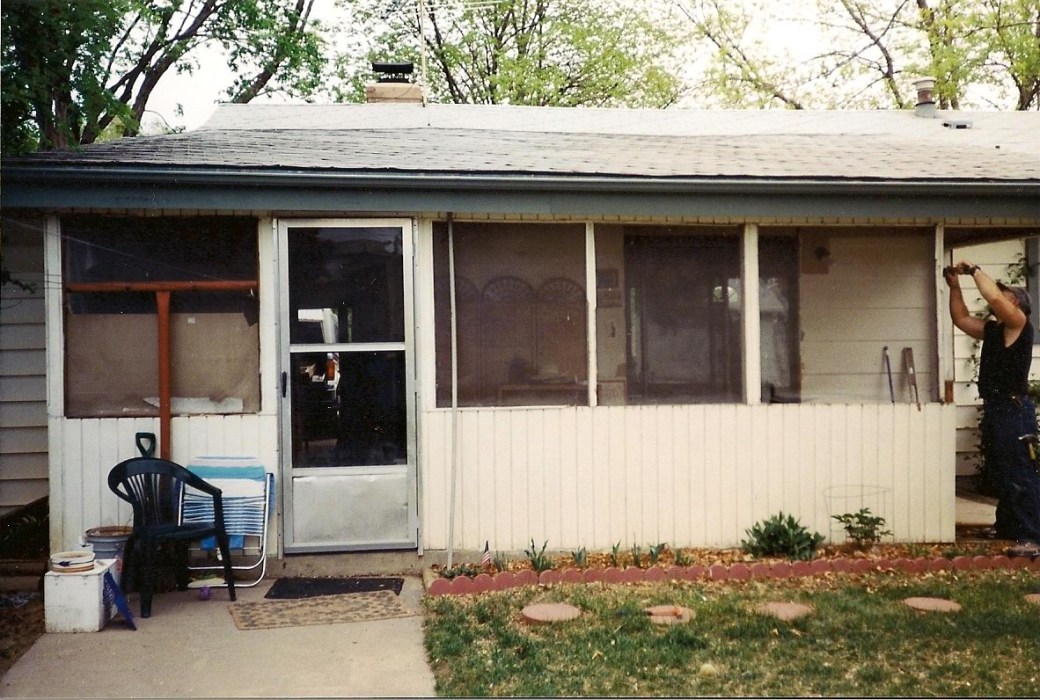


 The Oscars did not disappoint last night. Even though I live in such a rural area that I still haven’t had a chance to see any of the films discussed last night, I still enjoyed the pageantry and political points made. Why? Because I love the genre of film. After almost 60 years of going to movies, I love the escapism offered more than ever! Dissolving into a totally different world for a few hours where my problems don’t count and others face much bigger dilemmas, that is magic!
 Just this week I saw

 There is nothing so essential as feeling life slowly drain out of your body…
  to remind you what is truly important in this lifetime.
 Most have no idea that our intestinal organisms, or microbiome, participates in a wide variety of bodily systems, including immunity, detoxification, inflammation, neurotransmitter and vitamin production, nutrient absorption, feelings of hunger or fullness, and how we utilize carbohydrates and fat. All of these processes factor into whether you experience chronic health problems like allergies, asthma, ADHD, cancer, type 2 diabetes, or dementia.
 The vagus nerve, the longest of 12 cranial nerves, is the primary channel between millions of nerve cells in our intestinal nervous system and our central nervous system. The vagus extends from the brain stem to the abdomen, directing many bodily processes that don’t require thought, like heart rate and digestion. Bacteria in your gut directly affect the function of the cells along the vagus nerve, in other words, our gut’s nerve cells and microbes release neurotransmitters that speak to the brain in its own language.
 Adventures of the NEW??? Old Farts