Brain injuries and a misdiagnosis of apathy

One of the results of my recent psychological and memory testing was a diagnosis of apathy. I thought about that for a few days and then spoke to a friend I’ve known for almost twenty years about my supposed problem.

His response? “No, you are absolutely not apathetic!”

So what is apathy? According to Oxford, “lack of interest, enthusiasm, or concern.”

Signs and Symptoms of Apathy:

Lacking the effort or energy to do everyday things. Dependence on others to plan activities.

No desire to learn new things, meet new people, or have new experiences.

Lack of care about your own problems. Tendency to feel no emotions when good or bad things happen.

After further thought I realized that this type of testing mistook “apathy” for a natural sadness and frustration when someone with a great brain experiences multiple assaults on their brain health. I would challenge anyone to experience what I have in the past fifteen years, and not feel sad and frustrated.
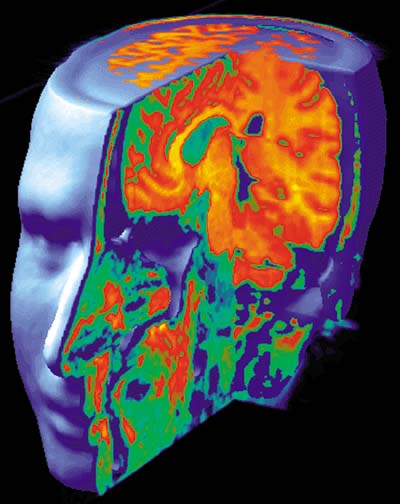
The most reassuring book I have read about brain injury is: “My Stroke of Insight: A Brain Scientist’s Personal Journey” by Jill Bolte Taylor, Ph.D. There I learned how slow the brain recovers from injury, but it certainly can rebuild itself eventually! My first brain injury, a TBI in 2008, taught me that. The most important thing to remember is that your brain will tell you when it’s tired and you really MUST STOP when it tells you that. For me now, an hour or two of any type of total concentration exhausts my brain. So when I took a two hour focused memory test I failed and came across as suffering from apathy, when in fact I felt total brain-exhaustion halfway through and after it was over I slept for over twelve hours straight.

I find myself excited and enthusiastic about many things like plants, gardening, photography, writing, old movies, music, new foods and learning something new everyday. I have just learned to pace myself to give my trusty brain plenty of space to recover with endless hours of restful sleep. Few understand my specific needs these days like I do. My brain will simply shut down if I don’t respect its messages to me. I certainly expected a brain specialist to understand that!

Unfortunately, it seems I must continue to educate “the experts” what brain injuries are all about. Perhaps they don’t know, but one of the best benefits of brain injury is the full realization that we MUST make the most of every single day we’re alive!

“Do we really need much more than this? To honor the dawn. To visit a garden. To talk to a friend. To contemplate a cloud. To cherish a meal. To bow our heads before the mystery of the day. Are these not enough?” — Kent Nerburn

Gratitude for Internet Friends!

With so many nasty things happening on the Internet these days, I would like to call attention to a few marvelous friends I have made over the years and recognize a wonderful source for these friendships. The “Women of Midlife” group on Facebook was started about a decade ago to attract and assist women writers with support and friendship. I joined as soon as it formed, and through the years, as I read the writing of various other women past age 40, I developed online friendships. But I had no idea how much these women meant to me until I ran my last post about aging faster than my friends.

I wrote there about friendship loss as we age and our health begins to fail and was astounded by the response from the friendships I have developed over the years on “Women of Midlife.” These few women have watched me grow as a writer and as a woman over the years and therefore understand best my frustrations with brain injury and how that is now limiting my abilities to communicate and connect with others. They also seem to know that it has been quite difficult for me to make any real friends in my new environment in rural southern Colorado.

One message in particular hit home for me:

“Laura, you have always been tenacious in your hold on life. Your connection to nature often pulls you through. Your love for those in your life MAKES YOU YOUNGER than many. And finally your mental strength. I believe when we lose some of the physical the mental takes over. That is certainly the case with you.”

Blessings, Beth

I had no idea Beth understood my struggles so well and yet continue because of my desire to keep pressing on in spite of multiple challenges. I knew that some women, whom I have known for years but have never met in person, do care for me, but this response was unmistakable in its understanding, love and concern.

Thank you to “Women of Midlife” for fostering these kinds of close online friendships!

P.S. I also just learned what ‘ghosting’ is from one of those friends. Shame on those who do it!

What it feels like to age faster than my friends

Recently I have begun to realize that what I am experiencing at age 67 is what most in my age cohort will experience later. Because of my present health concerns, lung disease and a few serious brain injuries, I feel now what most in my age group may not feel for a decade or two. This has come home to me with a few recent occurrences.

First is my upcoming 50th high school reunion next summer. At first I got confused about whether it was this year or next year, and when I realized it was next summer that they were trying to schedule for, I had to respond with, “I’m not sure if I’ll even be here by then…Either way I’m pretty sure I won’t be able to come.” 

I have also recently heard from a few friends from decades ago. My best friend from high school wrote out of the blue to “catch up.” She is probably a typical 67-year-old who recently retired, loves to travel, and is proud of her children and grandchildren. They seem to have very few health problems. I told her the truth about my situation. I didn’t hear anything back, period.

Same with a lover/friend from my mid-20s. He sent me a brief e-mail in April saying, “Hope all is well.” I sent him a summary of my life now and received stark silence in return when I told him the truth about what is happening with me.

One thing is for certain, my life experiences in the past decade or so have changed my outlook on life. One cannot suffer a traumatic brain injury and fractured ribs, with periods of unconsciousness over 24 hours, without seeing life differently. Now I see that experience as a gift, one which greatly raised my appreciation of life while showing me that death is truly not so unusual or scary. We may simply experience an accident, lose consciousness and it’s over. Is that so bad?

Losing my ability to breathe without oxygen has taught me compassion for those who lose any basic ability that others take for granted. I know now how others can suffer from judgments from others and how harsh I may have been by unconsciously judging those with limited abilities through no fault of their own.

These challenges and insights I face now are the same as many in my age group will face eventually. I’m just getting an early start. I find my experiences so revealing about disability and aging. I try to face all new experiences with a sense of wonder and curiosity. Too bad others seem to want to avoid looking at my life now and possibly their our future.

My experiences with aging, disability and my own mental health

I’ve been thinking a lot about aging and mental health lately, so I looked up the topic. According to an article from our National Institutes of Health:

“The most common mental disorders in older people include depression, anxiety, and substance abuse. Mental disorders are associated with increased healthcare costs, mortality and suicide, along with interference with daily living, and a reduction in quality of life.”

From my own experiences, this makes perfect sense. As our health declines, so does our ability to feel good about our lives, and then there are those predictable thoughts about how we’ve lived our lives and what it must feel like to die. One thing I experience is the daily differences in how I feel about my life, but I’m not certain how much of that is caused by my head injuries. Some days I feel almost like I used to, happy and ready to get out and try new things. Other times I can barely get out of bed and face the day. The problem is I cannot predict what will happen each day, so it’s difficult to plan ahead.

Mike has observed this unpredictability and also wondered what causes it. Now I believe part of it is a natural response to losses later in life. Some days I see little future for myself and so I feel depressed. I do not want to drag him down, because there is no need for both of us to suffer. Other days I feel that old optimism and then I can’t believe I was so low yesterday.

What could be more natural than our ability to confront our own aging and disabilities better on some days than others? Also it takes time to adjust to such major changes in health and abilities…

Realistically my ability to travel very far or go anywhere I want to is limited. But also my desire to travel has become less with age and with so many fantastic travel videos to be enjoyed on Youtube. The place Mike and I most want to visit now is Patagonia. There’s a very good chance I won’t ever get there, but I love watching travel videos and dreaming… Now that’s something previous generations did not have! We really are very lucky, even in our old age. I appreciate that everyday!

“Even in seemingly dormant times, we are in transition. Losses and gains are in constant play. We are the change-agent, and we are changed. Even without toil, we transform. So, wisdom advises us to open our hearts to transition; to honor fully what is passing, to learn from all that unfolds, and to welcome what arrives at our door each day with courage and curiosity.”

How my brain is healing from serious concussion

Although I have other experiences with brain injuries and healing, this most recent concussion a little over a year ago has been quite different. This was the first time I experienced auditory and visual hallucinations after I fell and knocked myself out on a stone floor.

From the first I had lots of balance problems, especially because I so fear anymore falls. But what was different for me was the constant feeling of the world spinning around me, much like the whirlies when you’re drunk. Especially when I turned my head either way or put it back very far I felt so dizzy. This went on for months afterwards and between my bad lungs and my whirling brain, I worried about my balance quite a bit.

What I find most curious about me is that I go through periods of symptoms like the twirlies, and then they go away for a while, maybe a month or so, and then they come back again. When they are bad, I don’t trust myself to walk alone without support of some kind. I have felt like this for the past few days and then this morning I felt fine again.

I know that brain cells can repair themselves, I guess it’s a bit like re-wiring. I experienced that after my TBI in May of 2008. It took lots of rest and a couple years, but I did get almost back to ‘normal’ for me. These kind of personal experiences teach us new appreciation for the incredible resilience of our brains. Perhaps that is what is happening to me now. I get better for a while and then I flash back to that old dizziness for a few days, just to fully appreciate when my balance comes back again.

Let’s hear it for the process of neuroplasticity!

Happy to be home!

After just two days up in the northern Colorado cities, Mike and I are always so happy to come home! Speaking as someone with a brain injury, cities increase my stress level immediately, even as we drive north through Pueblo, Colorado Springs and Denver. In summary, being there exhausts my brain energy so quickly. There is also the stress of staying in a different house with different people. All I know is that I need to sleep a lot after I get home to “catch up” on my mental comfort level and health. Of course, psychologists have known for years that:

“City living can chip away at your psychological immune system, which can be precarious for those with a family history of mental illness. According to psychologists , this environmental stress can increase their risk of developing a psychiatric condition, such as anxiety, depression, or bipolar disorder.”

As we drive south out of the metro parts of Colorado, we both breathe a gigantic sigh of relief. We love to return to the life that we love in one of the least populated and developed counties in Colorado. We find slow, quiet, and peaceful is great for our sanity! Our passive solar home always stays cool for free while we’re gone. I miss my garden and Mike misses his cat Rosie when we go on trips.

This is our reward for moving down here eight years ago now… Try to beat that view from your back porch! When I first met Mike he said he wasn’t moving again unless it was to somewhere where he wasn’t looking at the house across the street. Success at last!

I immediately go outside and check on my plants. Luckily nobody got eaten while we were gone 🙂

And yes, I do have some native plants coming up too, like this yucca, a transplanted Cholla cactus and some evening primrose. I sure hope the Cholla decides to bloom this July! It’s flowers are a bright magenta color.

Postscript: The funniest thing I witnessed on our drive through Denver was a trucking company named: “Follow me to Jesus, Inc.” No shit!