So here’s a lesson I have had to learn only about a million times. Anger is usually a front for avoiding feelings of deep sadness. At the joyful celebration of my Mom’s 90th birthday last week, I felt nothing but anger towards her. I hated the way she seemed to ignore her kids and give all of her attention to the other guests. I got so angry we left early…
When I got home I was still so mad I had to call an old friend for reassurance, because of course I felt guilty for being angry at my poor, confused mother. Then, a week or so later I saw something sad on TV and burst into tears. Deep, boundless melancholy engulfed me. First my favorite pet died and now my Mom and my brother will be leaving us soon. And to make things worse, no one in our medical system understands how to leave us in peace.
The John Carter Sky Garden
I took my brother to his doctor last week and all they can offer him is more ‘tests.” Someone who is close to death does not want or need more tests that are an hour away in Pueblo. He needs comfort and peace. I finally said to the doctor. “He isn’t getting better! How can we make him more comfortable?” So it looks like he may get more home services, which is good, but in the meantime they sent him to the ER yesterday for more tests.. You can probably see why I’m angry.
But underneath it all is just pure sadness. My big brother is dying and I want him to have peace as soon as possible, but I am so sad.
If you tire of hearing ever more negative news about how we humans continue to pollute and destroy the earth we depend on for life itself, try watching this five minute story from this week’s CBS Sunday Morning. Trust me, you will be glad you did!
Rewilding is a progressive approach to conservation. It’s about letting nature take care of itself, enabling natural processes to shape land and sea, repair damaged ecosystems and restore degraded landscapes. Through rewilding, wildlife’s natural rhythms create wilder, more biodiverse habitats.
By growing native, drought-tolerate plants here, we have encouraged the return of wildlife, birds, bees, etc.
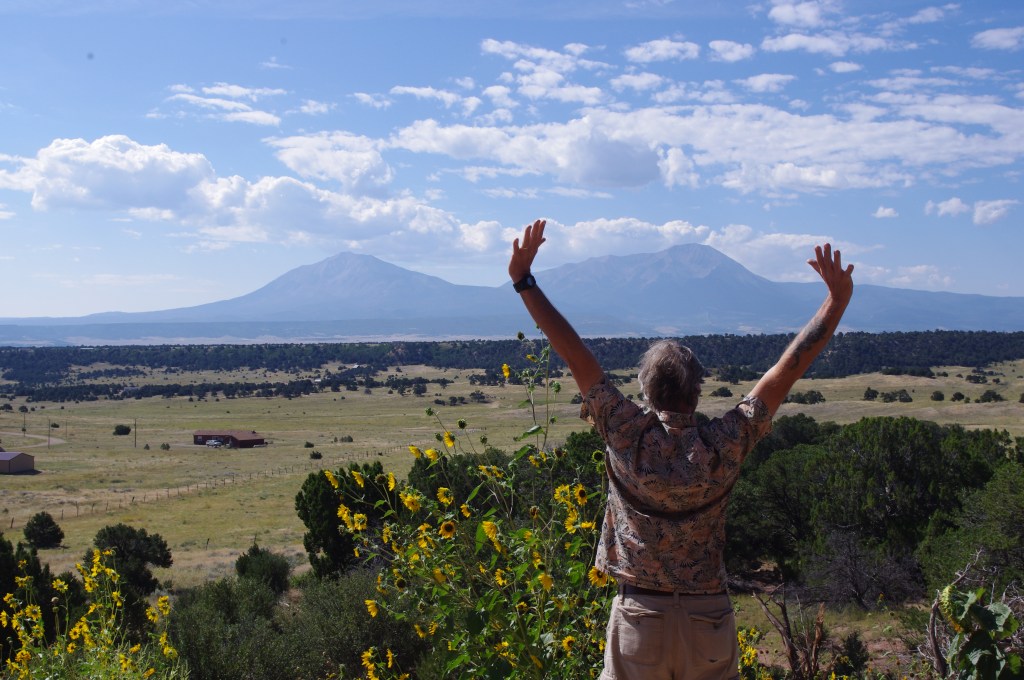
This idea/story offered me a sign of relief, showing me that sometimes nature wins in a great win-win way for people too. This is what my late father was always talking about, letting nature take over, because she did a great job up until now! This is also what we have tried to do on our own three acres in southern Colorado. I just do not comprehend those who buy land in the country and begin mowing the crap out of it immediately. We hated “yard work” when we lived in suburbia, and guess what, all the birds and bees and other wildlife there also could not tolerate it. They need biodiversity to thrive. Rewilding is a form of ecological restoration aimed at increasing biodiversity and restoring natural processes to the land.
Why is it so hard for man to simply leave nature alone to take care of itself? Why are we so convinced that we need to “improve” it? We as a species must learn the answer to this question before we “improve” ourselves into complete extinction.
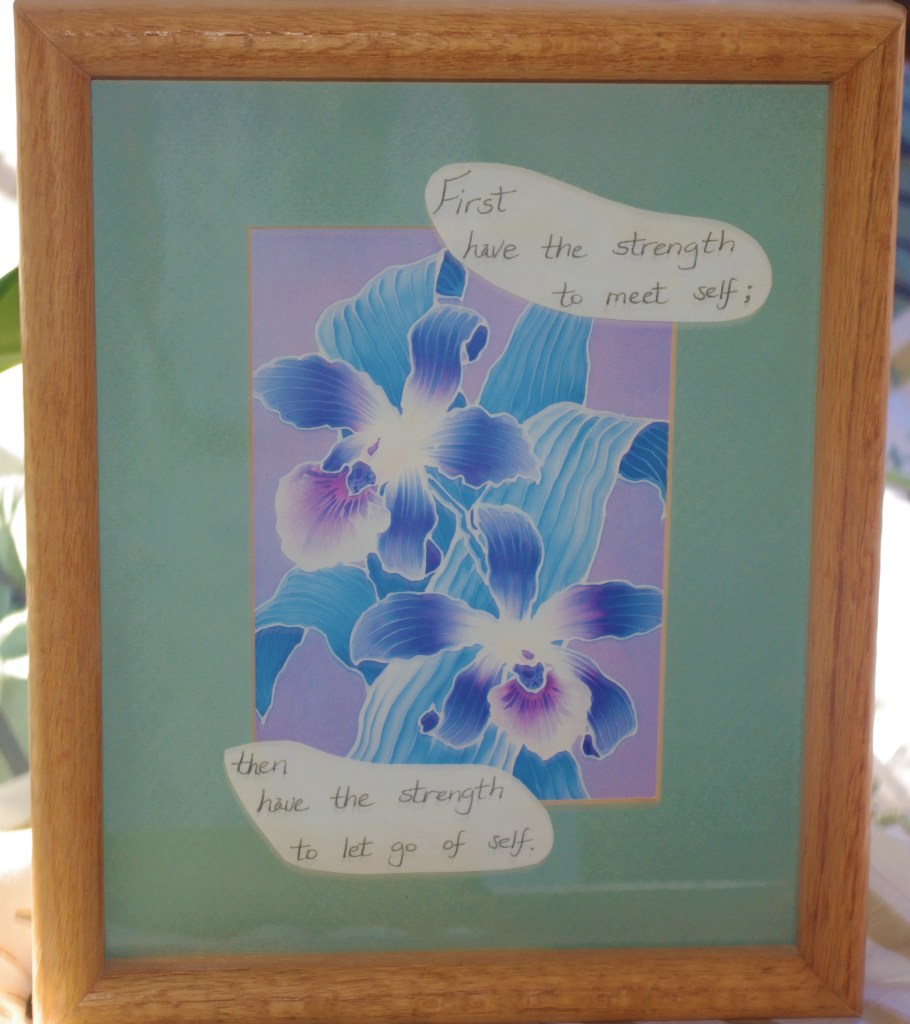
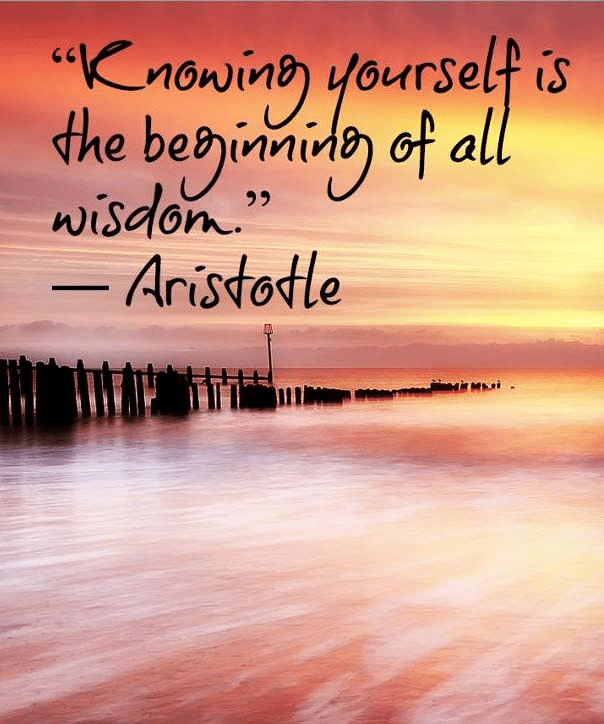
I believe our lives are a process of finding and confronting our true Self, and then slowly letting go of it as we age. Some might prefer the word ego in this scenario. I have had this message on my wall for decades:
What is the ego or sense of Self?
ego: a person’s sense of self-esteem or self-importance, the part of the mind that mediates between the conscious and the unconscious and is responsible for a sense of personal identity.
The way I relate to my sense of Self is to know that as a child and young adult my ‘job’ was to develop my sense of who I was inside, what did I think and value? How should I treat others? How did others see me? This naturally leads to a strong sense of self-consciousness, sometimes painfully so. Then came the time to figure out what I planned to do in the world. How did I hope to change my world? These are the purposes of young adulthood up until our forties or so.
Developing a strong sense of self or ego is a good and necessary part of being human. There is nothing wrong with having a strong ego, but it needs to be regulated. Problems arise when ego affects your decision making process, turning you into a victim, or when it makes you feel superior to others in order to justify your bad behavior. A toxic ego is one that does not learn from bad behavior, but instead blames others, often descending into negativity, resentment, and even violence.
For the past twenty years, my spiritual path has been that of the second part of life. I have been searching for the strength to let go of self. A part of this process is simply getting comfortable with self compassion and death. Although we might think we have a strong sense of self when we are younger, if we are very honest we may find much self-criticism inside. This is all a part of the ego. Like we really did have the power to change any part of our world…
Being close to nature is your best path to realizing your place in the history of time. Please note, there are no other animals or plants that believe they are changing the world. There are no other beings that fear death. They know what their part is, to be born, to live and then die. I have found a gradual process of getting used to the idea of death is the best path for me. At first is was so hard to be with so I would push it away and deny its power. Since I started facing some powerful signs that I won’t be around forever (lung disease and brain injuries) in the past few years, my acceptance has grown like my garden outside my door, bright and beautiful.
Every time I listen to Sting sing “Consider me gone” I get stuck on these words. Why do we spend so much time picking on ourselves? As a psychologist I assume we learn how to do this from our overly self-critical parents, and then carry on the practice by habit. Some say these patterns get stuck in our brains and are almost impossible to fight against or change.
I know I have been far too self-effacing for as long as I can remember and then, of course, others along the way helped me become even more critical. Now, in my 60s, I’m still working at fighting this pattern in various ways. It helps so much to have a close friend or life partner who points out how hard we can be on ourselves. I remember back in my late 40s I gained a lot of new insight when I read Gloria Steinem’s book “Outrageous Acts & Everyday Rebellions” but this is a process that will last forever I’m afraid.
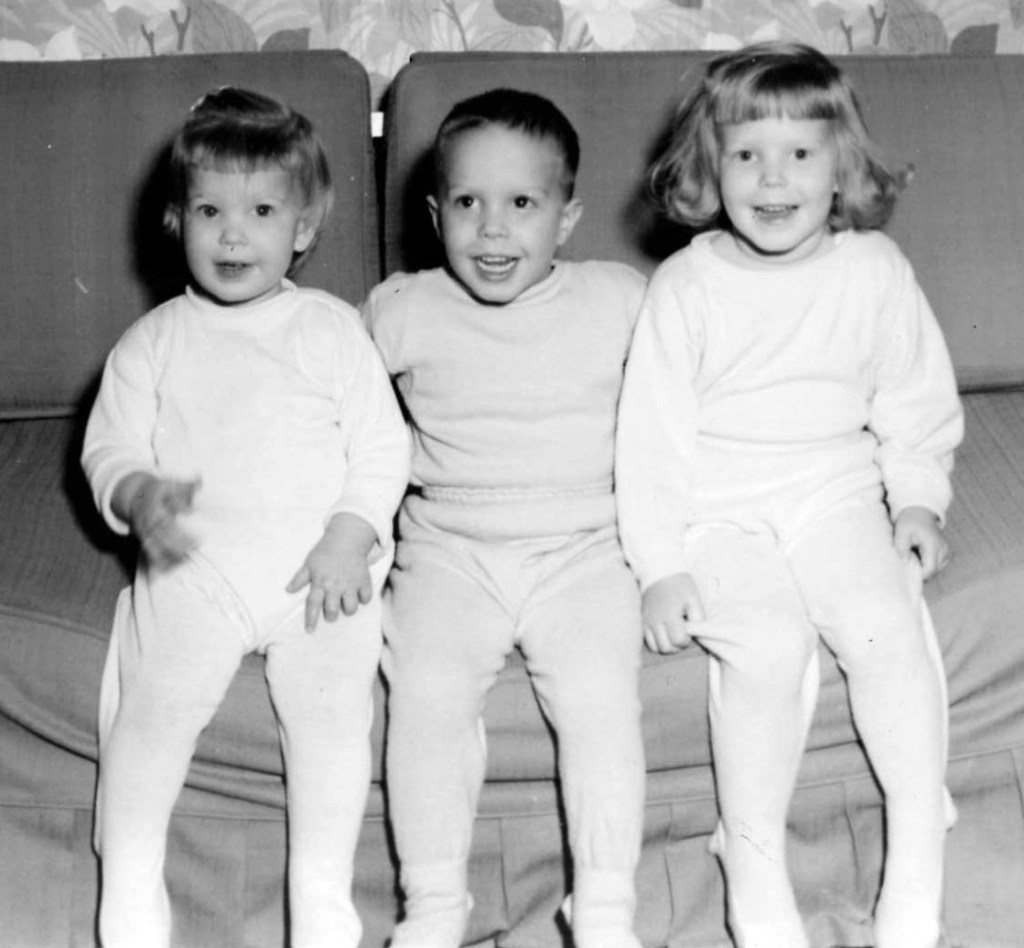
The three Carter kids at Grandma’s house at Christmas
Just recently I was rearranging things and came across a small photo of myself at around age three, looking pretty sassy in my new Easter clothes. Now I focus for a few minutes everyday on that little girl, on loving her all the way through and sending good thoughts for the many ways she might feel really good about herself for the rest of her life. I feel so much compassion for the battles she has fought in her war against herself and visualize how much easier her life could have been if she had learned self-love at an early age. I seems it has always been easier to be critical rather than compassionate towards myself.
I watched a marvelous 2005 movie recently called, “Mrs. Palfrey at the Claremont.” It’s about a retired older woman, played wonderfully by Joan Plowright, who befriends a young man, played by Rupert Friend, (YUM!) by chance on the streets of London. It’s has a lot of insights into aging and how we treat our elders with a number of great lines, but the one that keeps coming back to me is:
“It’s very important to praise people a lot early on, otherwise they might die of disappointment.“
I’ve been thinking a lot about aging and mental health lately, so I looked up the topic. According to an article from our National Institutes of Health:
“The most common mental disorders in older people include depression, anxiety, and substance abuse. Mental disorders are associated with increased healthcare costs, mortality and suicide, along with interference with daily living, and a reduction in quality of life.”
From my own experiences, this makes perfect sense. As our health declines, so does our ability to feel good about our lives, and then there are those predictable thoughts about how we’ve lived our lives and what it must feel like to die. One thing I experience is the daily differences in how I feel about my life, but I’m not certain how much of that is caused by my head injuries. Some days I feel almost like I used to, happy and ready to get out and try new things. Other times I can barely get out of bed and face the day. The problem is I cannot predict what will happen each day, so it’s difficult to plan ahead.
Mike has observed this unpredictability and also wondered what causes it. Now I believe part of it is a natural response to losses later in life. Some days I see little future for myself and so I feel depressed. I do not want to drag him down, because there is no need for both of us to suffer. Other days I feel that old optimism and then I can’t believe I was so low yesterday.
What could be more natural than our ability to confront our own aging and disabilities better on some days than others? Also it takes time to adjust to such major changes in health and abilities…
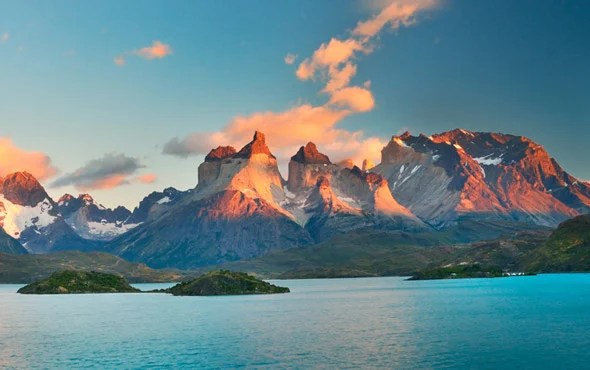
Realistically my ability to travel very far or go anywhere I want to is limited. But also my desire to travel has become less with age and with so many fantastic travel videos to be enjoyed on Youtube. The place Mike and I most want to visit now is Patagonia. There’s a very good chance I won’t ever get there, but I love watching travel videos and dreaming… Now that’s something previous generations did not have! We really are very lucky, even in our old age. I appreciate that everyday!
“Even in seemingly dormant times, we are in transition. Losses and gains are in constant play. We are the change-agent, and we are changed. Even without toil, we transform. So, wisdom advises us to open our hearts to transition; to honor fully what is passing, to learn from all that unfolds, and to welcome what arrives at our door each day with courage and curiosity.”
I only wish I would have known long before I did, that the more interesting life you lead, the more fun you will have remembering it in your 60s. To celebrate my birthday this year, I have decided to share with you a few of the crazy adventures I have had through the years. These are the things I enjoy thinking about today. Sometimes it feels a bit like reading someone else’s tales, but I’m not making any of this up!
Early in my time at Colorado College, a few of us decided to go backpacking in Canyonlands in southern Utah in August of 1973. BTW, it’s super hot and dry there in August! Showing further bad judgment, we decided to split up into three separate groups.
My friend Margie and I decided to follow a trail that led to Peek-a-boo Springs and near there we found a cave with some amazing artifacts in it! We camped there for a couple days and then headed back to meet up with the other two groups, but they never arrived. We decided to talk to the rangers who were quite concerned because of the heat and extreme lack of water at that time of year. We ended up flying over the entire Salt Creek Canyon in a helicopter searching for our friends. In the meantime, the rangers got confused and called my parents to report that I was lost in Canyonlands. It all ended up fine. The one friend ran into a rattlesnake and decided to turn around. The other two hiked the whole Salt Creek Canyon and came out the other end none too worse for wear.
Then there was the time a friend and I joined up with her boyfriend and another guy who said they were being paid to move a sailboat from the west end of Puerto Rico (Mayaguez) all the way to Tortola in the British Virgin Islands. For future reference, this is NOT a good plan. We were going against the wind the whole time and only made it as far as Ponce before we decided it was basically an impossible task. But three of us still wanted to see Tortola so we took a flight there for a week. We stayed on Cane Garden Bay and loved every minute of it! There were very few tourists because Hurricane Hugo had come through in September 1989, so we had the place to ourselves.
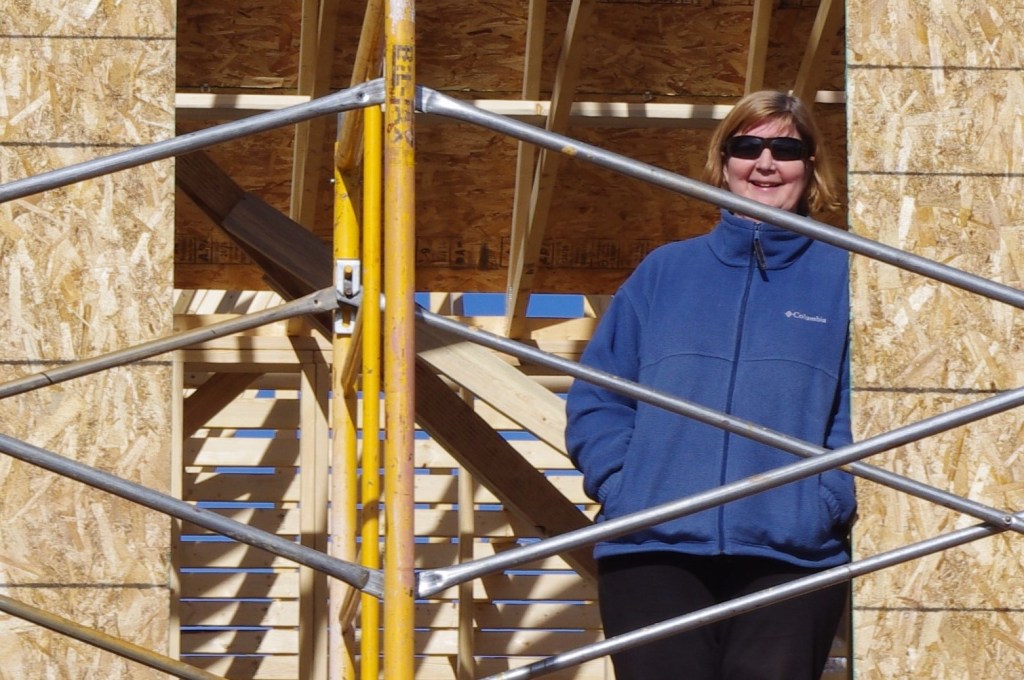
To tell you the truth, building this rural passive solar home in southern Colorado was also more of an adventure than either Mike or I were looking for. Being new here, we had no idea what we were up against, like only one building inspector for the entire county, and it just went on and on with an amazing number of major obstacles and delays. Sometimes it felt like a hopeless battle just finishing it, because our builder kept putting us off. Finally we dead-lined him with, “We’re not paying you until it’s finished.” and “We need to move out of our rental the end of July.” Finally something worked!
All in all I feel super lucky with how my life has gone. So many of the circumstances seemed like that old Chinese tale about deciding too soon that an apparent misfortune is in fact a blessing in disguise. I loved all of my river trips, backpacking trips, adventures abroad, various chance meetings and romantic liaisons, because they led me to this exact moment in this tremendously beautiful place with the love of my life. I am quite content with that.
Shoot me an e-mail if you would like to learn more about our decision to move south and our experience with building a solar home west of Walsenburg. My book: A Memoir of Retirement: From Suburbia to Solar in Southern Colorado.







 Adventures of the NEW??? Old Farts