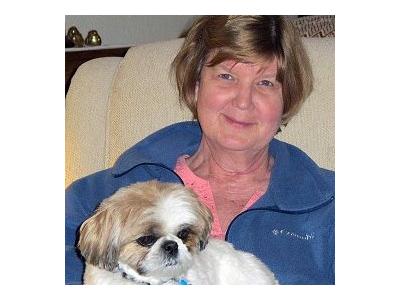
Allowing your mind to lie fallow…

Fallow: —adj, 1. (of land) left unseeded after being plowed and harrowed to regain fertility for a crop.       2. (of an idea, state of mind, etc) undeveloped or inactive, but potentially useful.

I got excited yesterday when I heard Meg Ryan, in her excellent interview on CBS Sunday Morning, mention the usefulness of doing nothing and allowing your mind to lie fallow for periods of time, with the purpose of generating more energy and fertility in your thought process.

I love this idea, and yet I find it to be an idea without strong acceptance in our hard-driving, demanding culture.

Because of my unfortunate recent experiences with TBI and concussion, I have had no choice but to take time to relax my brain so it can heal. But there is always a judgment from deep inside, one who feels lazy and unproductive at these times.
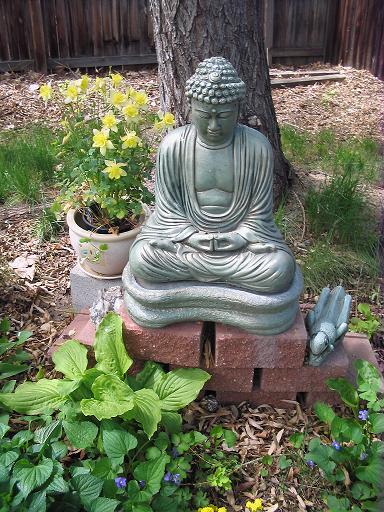
“Spacing out” is the best way I can think of to describe those times when my mind is simply exhausted and cannot focus on anything more. The good news?  Meditation comes so easily to me now. It’s like my mind naturally relaxes and can think of nothing for a while. And even better, some of my best ideas later come from these times of allowing my mind to lie fallow, much like some who say that humanities best ideas have emerged from periods of relaxed thought.

When we daydream, we free our thinking of logical limits to allow knowledge, experiences, and ideas to essentially float freely in our mind and mingle with each other in a way that our logical mind cannot handle.  Sometimes this undisciplined mingling creates that flash, that ‘aha’ moment.  Aristotle had his eureka moment in a bathtub and Newton had his in an apple orchard.  Where are yours?

Some call this mindfulness, others think we are really sleeping while awake. Either way, I have no choice at this point and I love the overall effects. Afterall:

 Sleep is the BEST meditation.  – Dalai Lama

I am filled with gratitude that I can now live like this forever.  Please go learn more about our move from Fort Collins to here in my new memoir!


Meet My Amazing Mom!

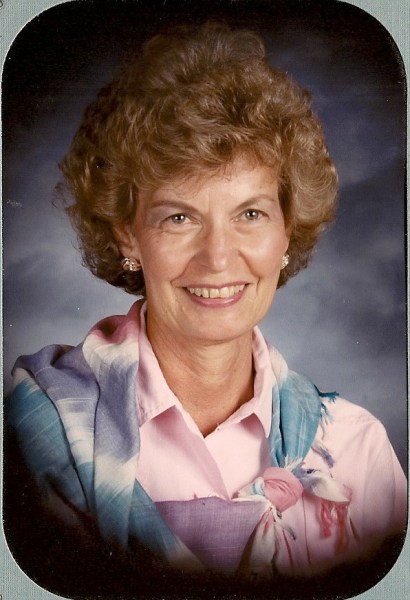
Mom in 1985On the occasion of my Mom’s 83rd birthday, I would like to introduce you to my mother. Born around Kansas City after her mother had had trouble conceiving, my Mom ended up being the eldest of four children. She had her rebellious moments in high school and then met my Dad on a blind date in 1950. He was soon sent to Virginia by the army, but they corresponded for a short period and then they married in 1951. She was only 19 when she got on a train to join him.

She lived in a time when being your husband’s best help mate was what women did. She had kids while also helping her husband advance his career. It was such a struggle in their early lives together. Mom worked to support the family, and had three kids by 1955, while my father finished his PhD in botany at University of Iowa.

College teachers didn’t make much money back then, and they had to move every few years if they weren’t on tenure-track, so we moved around a lot in my early years, but my Mom always kept it together, even when my Dad decided he wanted to go to India for a summer when we kids were quite small. She was supportive of Dad no matter what! That is how she saw herself.

Eventually Mom started taking college classes and received a B.A. from Colorado College the year my eldest sister graduated from high school. Then she started teaching elementary school for the next 20 years. So many of her students remember her as a caring, encouraging teacher.

In the early 1990s my parents ‘retired’ to southern New Mexico, but they kept working hard to produce botany books all the same. My Mom got really good at Photoshop and photography to provide great photos for my Dad’s books. Has anybody heard of Trees and Shrubs of Colorado or Common Southwestern Native Plants? Those are a few of the books my parents produced together after ‘retirement.’

Now their lives have settled down quite a bit, but Mom still worries about all of us and our families. She has done a bang up job of helping others her whole life.

Mom:   You are my HERO!

Boomers and Their Busy Boomer Lives!

IMGP5298

When I woke up this morning it was chilly and rainy outside. Then I looked out east and boom! what an amazing sunrise!

But even the nicest places on earth can be ruined if you aren’t getting along with your significant other. That’s why it’s so important to manage your ‘closeness’ so you can both be happy in retirement! 

Writer Meryl Baer says, there are all sorts of reasons people love the place they live. She enjoys her current hometown because of the ease of walking and cycling around town. In this week’s post, she lists the Ten reasons I love my walkable community. 

pink love sunsetWriter Carol Cassara says, many boomers who are otherwise living fulfilled lives, face problems with waning libidos. She explains over at Heart-Mind-Soul, there’s no need to deny ourselves the pleasure of a vibrant sex life, not when there’s a new book by boomer and midlife sex expert Walker Thornton that offers practical advice to anyone who would like to invite desire back into their life. Carol reviews Ms. Thornton’s book here.  And to give love equal time, she offers her simple secret to love

DMVAccording to Tom Sightings, in Beaten by the Bureaucracy, sometimes it’s hard to appreciate what the government does for us, even if you’re a liberal. He tells the story of changing his driver’s license and car registration after he moved to a new state. What’s the solution? “Don’t move to a new state!”

Rita's gardenOver at The Survive and Thrive Boomer Guide, Rita R. Robison, a consumer journalist, gives us a report on her bountiful garden. Robison, who went on vacation for a week, found that special something that gardeners dread finding when they return: “Surprises From My Garden.” 
Just published my memoir of moving to this beautiful rural place in southern Colorado to get a ways off the grid and finally truly enjoy life!  Please take a look!


Managing Couple Closeness in Retirement

Real love is about being loving much more than being loved.

There are so many ways to manage “closeness” in retirement. The most important part of the equation is to be sure to love and respect each other at retirement. Don’t be that kind of couple who stays together forever only because you are afraid to be alone. I know from personal experience, the loneliest I have ever felt was being in the wrong relationship or marriage.

Mike and I met at age 50. By that time both of us were pretty clear on who we were, and who we wanted to spend our time with. We found spending time together was easier than with anyone else we had ever met before, but we also had very different interests. He loves making and fixing things, especially electronic or motorized things. I enjoy the world of creativity, writing, editing, photography and gardening.

In psychology, this is called “differentiation.” Differentiation has to do with your ability to  stand up to group pressure to be like those around you. The less susceptible to the pressure of others, the higher your differentiation level. A high level of differentiation means a strong sense of who you are, separate from others.  The process of holding onto your sense of self and self-interests in a close emotional relationship is what develops your sense of differentiation.

Luckily, because Mike and I had each lived alone for years before we met, we had each developed a strong sense of self. We had little “fear of disappearing into a relationship.” That is not to say that we didn’t struggle at times with maintaining strong, separate selves.

Beginning from this groundwork, our retirement has been an easier transition, mostly because we have so much respect for each other. We also planned our retirement home around having separate work space for each of us. I have my own office space where I do my work, and Mike built an extra large garage for his projects, what he likes to call “Mike’s Badass Mancave.” We also maintain separation of chores. I do most of the cooking and he cleans up, etc.

I believe too much closeness is a real buzz kill early in a relationship, especially when one partner needs a lot more support than the other. I don’t know where I first heard this saying, but it works for me when it comes to self development:

First have the strength to meet self, then have the strength to let go of self.

 Our psychological task as young people is to learn to appreciate who we are, separate from everyone else in the world. As adults, it can be quite beneficial to learn how to let go of self or ego, no longer needing to impress or defend who we are with others.

Self-acceptance is the BEST GIFT you can give yourself!

How Living Close To Nature Can Change You

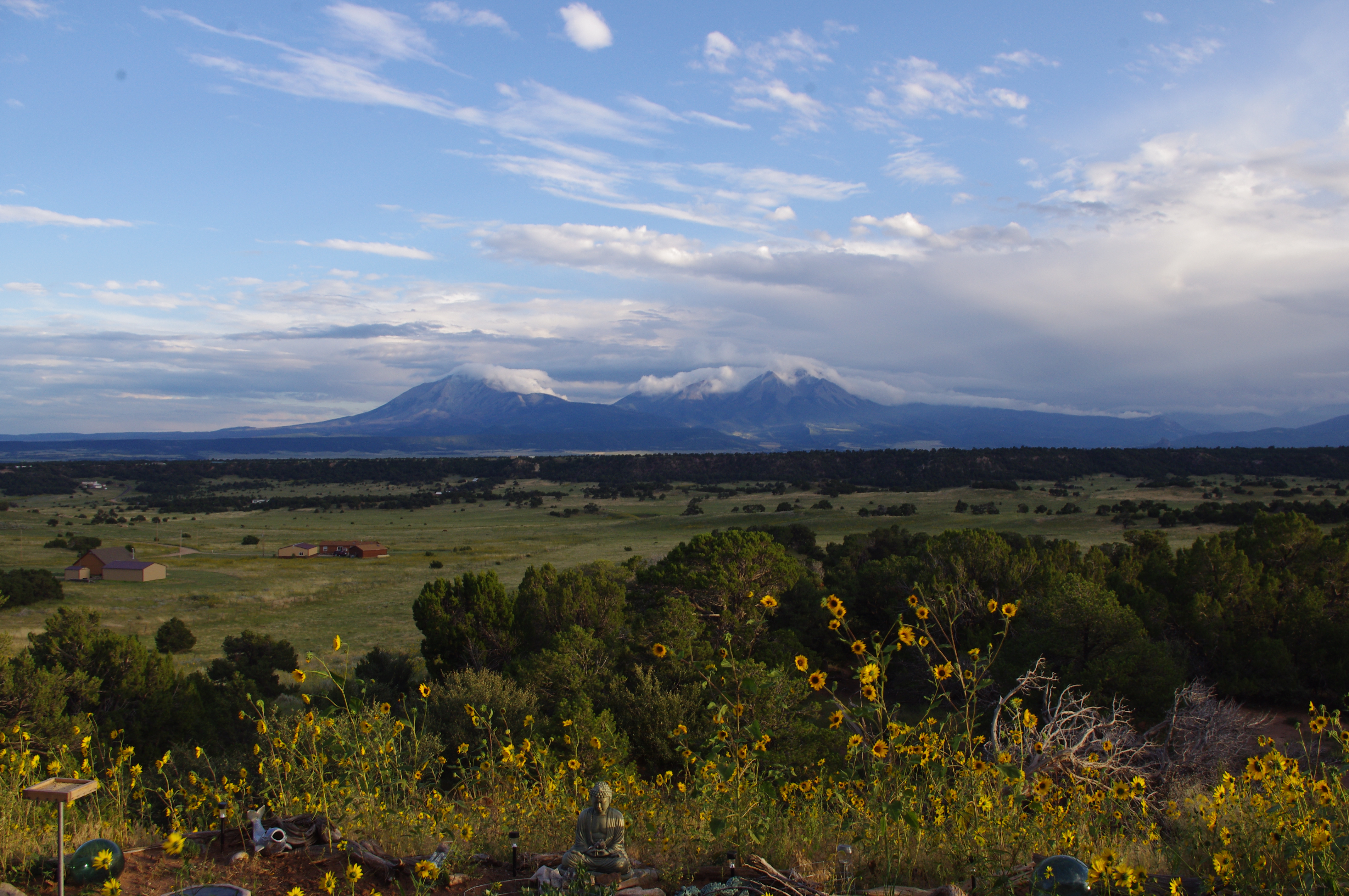
NICE view of sunflowers in garden and Spanish Peaks summer 2017

In 2014 we moved from Fort Collins, with the 6th largest county population in Colorado (333,577), to the least populated, Huerfano at about 6,500 souls. Huerfano county is the home of the Spanish Peaks, seen above…

The Huerfano means orphan in Spanish, and so many of us here are orphans, because we are elders. We lived in the town of Walsenburg (pop. 3,000) for our first year here, while building a custom passive solar home to the west. As we complete our first full year of living in the foothills, close to nature, I find those who live in cities to be busy, always busy. What is that doing to their soul?

I feel I have learned so much on this topic by living close to nature for the past year. Getting far from any city has been a reawakening for me, and living here permanently is a wonder. I love to experience those unique emotional experiences which defy our habitual way of thinking. Living here has been all about defying my previous limited state of mind. I called myself “metrofied” before I moved here, but I had no idea how horribly stuck I was in “city mind.”

IMGP7674

It is so soothing to observe how cities change us, and then leave, transitioning to a slower, calmer way of being. In my first year here I became aware of the constant anxiety level I maintained by living in cities. Then I slowly let it go. When I feel anxious now, I quickly see there is truly no reason for this feeling. Now, only when I get impatient or angry do I realize that I used to feel that way so much of the time back in Fort Collins, where the traffic was horrendous, and everyone was some form of tense.

The true change for me is the awareness that I can now live in the present. I have been seeking this experience for most of my life. Instead of worrying about the past or demanding more in my future, I can just be here now, loving my life. The down side to this new way of being? Great difficulties going back into cities! I don’t want to waste one more moment of my limited lifespan sitting in traffic and breathing city air.

I am filled with gratitude that I can now live in nature forever…

“You must live in the present, launch yourself on every wave, find your eternity in each moment.”  —   Henry David Thoreau

Laura and rasta close up

Want to learn more about moving from a good-sized city to the outback? Then check out my book: A Memoir of Retirement: From Suburbia to Solar in Southern Colorado 

Share this information with your friends, and please feel free to contact me directly to order your own signed copies of any of my books!  Cheers, Laura Lee  (email me: MidlifeCrisisQueen@gmail.com)

Be sure to follow us on Twitter