What High School Reunions Can Bring Up

I just received a reminder that my 45th high school reunion is coming up soon. My first response is I simply cannot believe that I graduated from high school 45 years ago. How did that happen? So I turned to my yearbooks to try and remember something about high school.

I hated everything about high school. I hated my home life and how I felt at school. The best way to describe me looking back from my 45-years-later perspective is flat affect. I just kept wondering if my life would ever get better. I remember at high school graduation singing that German song from Cabaret: “Tomorrow belongs to me…” over and over in my head.

These days I am so glad I hung in there! Everything got better in college. I went to Colorado College, the one where my father taught. As soon as I got there I felt like I fit in much better. For the first time I was constantly around fellow eggheads, and finally completely academically challenged. Slowly through the past four decades I have become more at home in my own body and freer to become my true self.

The hardest battle you will face in life is to be no one but yourself, in a world which is trying its hardest to make you like everybody else!

Now I see this maturation process as peeling the onion of my soul. At first I only felt safe taking off the most outer layers, exposing my true self very slowly and carefully, so afraid of what others might think or say. When I finally got some counseling in my early thirties, my therapist noted how often I said, “People think this…” She would challenge me with, “Who are these people?” It was not easy, but I have finally found my true self in the midst of too much feedback from others, and far too many rules in my own mind.

I have never attended a high school reunion, but I am seriously considering it this time. We live only a couple hours southwest of Colorado Springs now, and I am quite curious. Perhaps I should go find out who I went to high school with, because I suspect none of us are anything like we were in high school.

For a REALLY FUNNY take on high school reunions, go here!

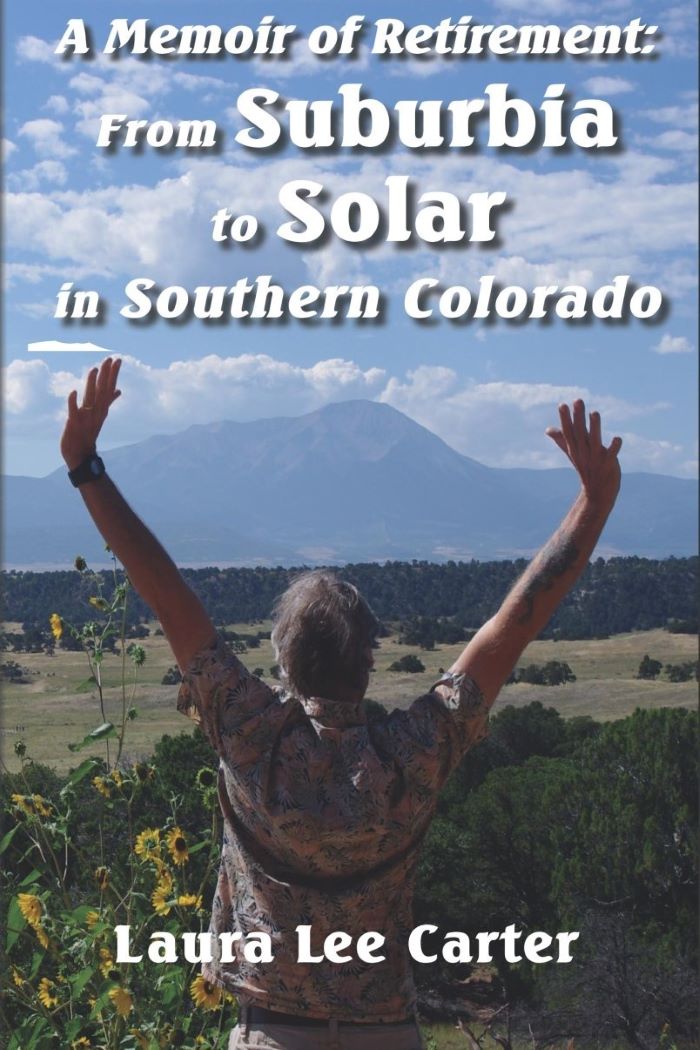
I am a professional photographer, writer and psychotherapist whose midlife crisis included a divorce and soon after the loss of my job and career as an academic librarian at age 49. However, I found all of these misfortunes supremely fortuitous eventually! Everything wonderful in my life flowed from losing my past life and changing up everything possible. I started my own dating service, which led to meeting a new and much improved life partner, and then in ten years we followed our dreams to build our own passive solar home in rural southern Colorado…

No surprise that I now see midlife difficulties as once-in-a-lifetime opportunities for personal liberation! I have written & produced a few books about midlife change. Don’t miss my latest about leaving the city life far behind!

How do we find home?

When the full moon woke me up in the middle of the night this past weekend, I started thinking about all of the places I have lived and visited. Actually it all began with trying to remember exactly which years I lived in Colorado Springs. This may seem strange, but when I started writing down all the places I have lived or stayed at least a week or two, it added up to six U.S. states and ten plus foreign countries. I lived in four different towns before first grade. No wonder at the ripe old age of 60 I was ready to settle down and stay somewhere for a while.

original_photo_Thailand_1973cropped[1] (2)
My young explorer self in Northern Thailand around age 19

This didn’t start out as a life plan for me. Things just worked out this way. Wherever I went I would stay a couple of years and slowly the urge would arise to move on. I remember when I got my first professional librarian position at the University of Utah in Salt Lake City, the director ask me not to stay forever in my first job. He needn’t have worried. I was out of there in exactly three years.

I used to kid with myself about “Moving on to greater failures…” Of course it helped that I didn’t marry until much later, and never had kids. I simply had no interest in all that. I wanted to see the world, exploring both the world outside my door, and the more interesting one inside my own mind.

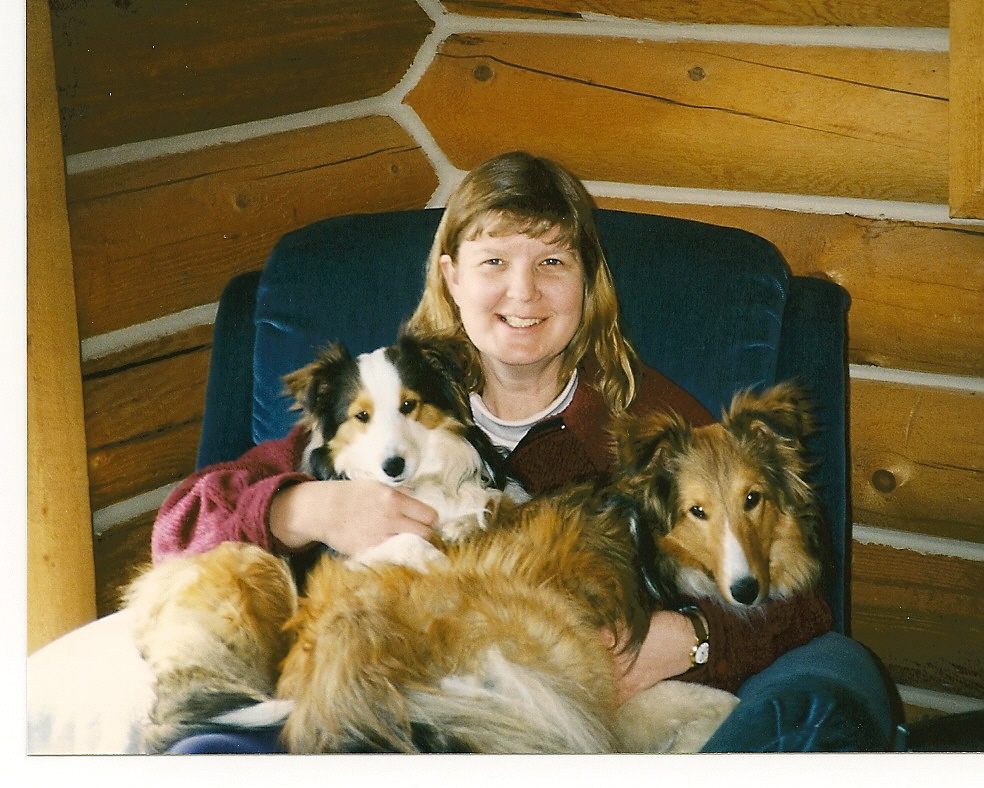
Laura and the dogs 1997
Sitting with my first set of dogs, Mica & Calla, in 1996

I also picked up a few college and graduate degrees along the way. For quite a while I wanted to teach Chinese history at the college level. Then, after learning Chinese and getting an M.A. in Chinese history, I decided I was sick of China and university teaching was too limiting in its depth and scope. Since Naropa University was located right down the hill from University of Colorado in Boulder, I walked down there to find a whole new perspective on life and psychology, transpersonal psychology. This was my spiritual home, and I have been pursuing it ever since. This is something you can study anywhere and everywhere. Human and animal behavior is my thing…

decking-comanche-home-with-mountains-in-backgroun

But still in all of that moving from here to there, I never found a place I could truly call home. What does that mean? To me it means a place where you will die knowing that you truly belong. That place where you can see your ashes blowing in the wind, and know you are finally home.

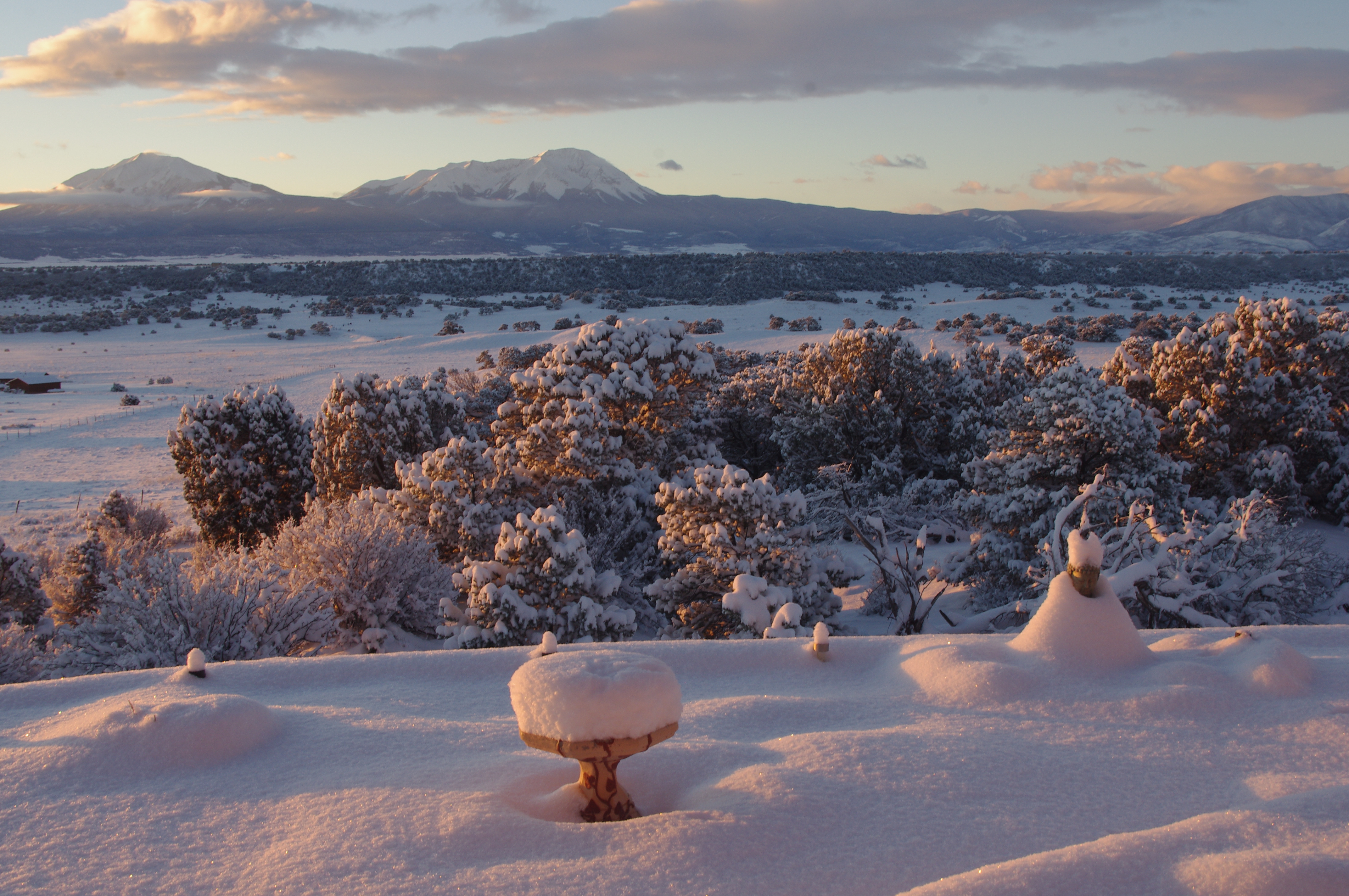
I didn’t know how I would find that place or if it would find me, but it did. At first I did not recognize this Pinon-Juniper woodland looking up at the Sangre de Cristo mountains as my place. I only knew I was home after we built solar here and then got comfortable for a few years.

sparkling-snowy-buddha-garden-with-spanish-peaks-behind-1

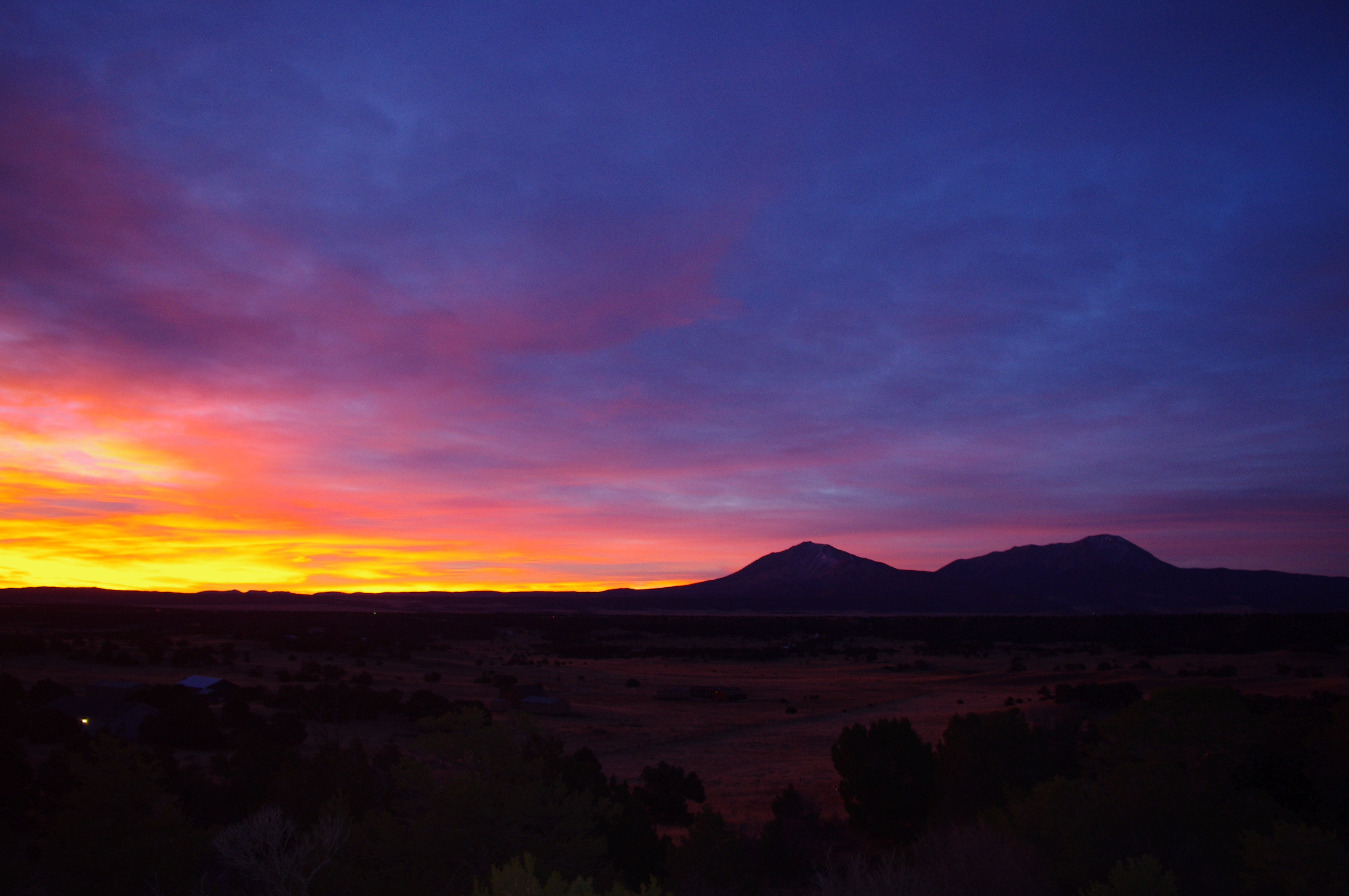
I know every morning when I go outside and marvel one more time at the perfect silence of the sunrises and sunsets here. I know when I work in my native plants garden, collecting interesting plants from around the region. I know when new birds stop by to feed and drink or when a stray Road Runner peeks in my window.

yellows-purples-and-pinks-sunrise

I know because every time I return home I think,  Wow! Do I really live here?

Buying a Home in Rural Southern Colorado

paula's ranchette

I have always found real estate interesting. I suppose it’s a part of my natural nosiness. I like to see how others live and what they choose. Mike knows the construction trade inside and out. That’s why we went with a friend to look at a small property yesterday. She wanted to get our opinion on a darling little ranchette not too far away from us.

This property is relatively new, well-built, nicely detailed inside and landscaped, with great views of Greenhorn Mountain and the distant Sangre de Cristos.

Buying in rural markets is so different than cities. Be sure and check what the property’s access is to water, electricity, phone service, and what kind of heating and septic system it has. This cute little ranch on a few acres has a giant garage and studio space, fully fenced, but it does not have access to water on the property. Most city people can’t even imagine that! Water will have to be trucked in.

Sunflowers on a county road

The good news about properties down here? The cost is about one quarter of what they might cost up north, near any metro area. I can see this property being priced at $500,000 to $600,000 if it was anywhere near the Denver/Boulder metro area. Access to jobs is everything in real estate.

The realtor informed us that sellers here usually have to accept contingencies on sales. Their average time on the market is about one year. We see many come down here, buy a house on impulse, and then need to sell a year or two later. Yes it is amazingly beautiful here in the spring, summer and fall, but the winters are so WINDY and can seem very long with most city distractions (restaurants, shopping, etc.) at least an hour away.

The truth is, most have no idea how or if they will adjust to rural life. My advice? Make sure you like spending a lot of time alone or are on the same page completely with your life partner. You need to get along very well in these circumstances. Make sure you enjoy nature, things like bird watching, plants, hiking, biking and lots of silence. If you have little appreciation for clean air, morning silence, amazing sunrises and sunsets and a pristine natural setting, don’t buy a rural home, especially if you crave any sort of human-based distractions.

decking Comanche home with mountains in backgroun

Our house being built in 2014 -2015

memoir of retirement 2016Mike and I left suburbia in 2014, after living in cities for most of our lives.      We wanted to try out solar living with spectacular views of Sangre de Cristo mountains. We moved here to live close to nature, to try out passive solar living, and to build the kind of home we chose to live in for the rest of our lives. We came in search of a far more quiet, peaceful, healthy and inexpensive lifestyle than cities could offer us. We have received so much more…            Would you like to know how we ended up here? The ups and downs of our year-long building process? My fears in our first year here? Why we love it so much now?

Please send me an e-mail to order your own copy — Laura Lee:  MidlifeCrisisQueen@gmail.com

Psychoactive Chemicals and YOU

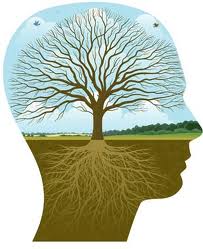
psychoactive brainI, like probably millions of others all over this globe, have an interest in psychoactive chemicals. What can they do to and for us? For humans, examples of psychoactive chemicals include caffeine, alcohol, cocaine, LSD, and cannabis. Can certain of these compounds benefit us, leading to higher levels of consciousness? Can they open our minds to new and different kinds of creativity, or simply make our lives more pleasurable? I was surprised to find new information on this topic on the National Geographic Wild channel yesterday.
The “Happy Hour” episode of the show “World’s Wierdest” explores how psychoactive chemicals have affected animal behavior throughout evolution, sometimes assisting them in being more effective hunters. One fascinating research project looked at how spiders weave very different types of webs on different compounds, for example cocaine versus THC. They also look at primitive tribes who have used these substances in their rituals for centuries.

Here’s a brief summary of this episode:

“Nat Geo WILD explores nature as it gets rolling drunk and spaces out, and delves into the importance, or lack thereof, of intoxication in the animal kingdom. Meet monkeys that binge drink and throw frat parties, elephants that go on drunken rampages through villages and lemurs that get high off millipedes. And when a jaguar’s hunting skills may have been enhanced by chewing on psychedelics, scientists question whether or not there are evolutionary benefits to psychoactive compounds.” 

psychotherapyAnother piece of human behavior I find fascinating is why some of us are open to learning more on this topic, even experimenting with a few new substances, while others fear even the smallest alteration to their present state of mind.  Could it be that old fear of “losing your mind” on some level, or going some place you’ve never been before? My favorite joke on this topic: unemployment is much more of a gateway drug to serious drug use than marijuana, but LOVE is the best drug of all! Trust me, I know.

Boomers discuss the power of NOW!

cool colorful design

One of the things I love about bringing together current posts from a few popular boomer blogs, is their occasional synchronicity of thought. From the apparently mundane, to the future of our world, we are certainly still giving lots of thought to the circumstances we find ourselves in in our 60s.

purple nerves in brain COOLOne challenge we face is keeping our brains working well, at least most of the time! We have known for years that games can help to keep our brain active. Now Carol Cassara directs us towards online games and these games aren’t just for the young. Many Boomers enjoy them, but who knew online games have brain benefits?

IMGP6593

GROWING PLANTS INSIDE AND OUT GIVES MY LIFE MEANING!

We had two posts this week about one of my favorite pastimes, gardening. What could be more positive and gratifying than helping plants grow inside and out? Unfortunately Meryl Baer can’t seem to make this happen. She says: Folks have many talents and skills, some the luck of our DNA and others cultivated and nurtured over the years. Meryl Baer of Six Decades and Counting does not consider gardening one of her many skills. She tries and sometimes succeeds, but this year proved disappointing, as she points out in Gardening Guru I Am Not.

eggplant on the vineOn the other hand, over at the Survive and Thrive Boomer Guide, Rita R. Robison, consumer journalist, writes about how much she loves her garden. See Robison’s articles on how to make tomato sauce, her garden in full production, eggplant goodness, and tips for cooking collards. Rita encourages everyone to plant a garden to enjoy organic vegetables. They’re good for your health, and gardening gets you off the computer and into the yard exercising.

Tom Sightings has been focusing on the BIG PICTURE lately, always a dangerous pastime. He has taken several road trips, spending a lot of time behind the wheel of his car, giving him time to think. This week he focuses on What’s Important, two important issues, plus a postscript that might just save your life. HINT: I don’t know what I would do without my shower grab bar!

dike running up to snowy West Peak

DIKE & WEST PEAK A FEW MILES SOUTH OF LA VETA COLORADO

My week was spent dealing with a couple health issues (like continuing to breathe!) and wondering why this post about life in a very small town went viral by my standards. Are we all so anxious to believe that life can be slow, caring, and friendly again? Judging by the number of boomers moving here, YES! We almost never have a hurricane, but the wind can be incredible here!

Teach kids how to connect with Mother Earth!

“A garden symbolizes what a faith community is, connections, caring for the planet and caring for life in urban areas where people don’t have the opportunity to grow food or be in nature.”      — Claire Baglien

The Benefits of Starting a School Garden Program 

By Abby Quillen

“A garden is a grand teacher,” horticulturist Gertrude Jekyll wrote. School administrators obviously agree because the nation is in the midst of a school gardening boom. The number of school gardens nearly doubled between 2013 and 2015. More than 7,000 American schools now have a garden.

Most teachers start a school garden program in elementary schools, and grow flowers or veggies. Some include unique features, such as chickens, orchards, and aquaponics systems (where students raise fish and use the fishes’ waste to feed plants). Teachers use gardening activities to teach nearly every discipline, including health, nutrition, science, math, environmental studies, language arts, art, and social studies. Students in one California school sow native plants to learn what the state looked like prior to European settlement. In other schools, kids test soil composition, learn about food chains and ecosystems, measure plants as they grow, calculate the perimeter and area of garden beds, and keep gardening journals.

Researchers examining how gardening impacts students have found that school gardens–sometimes called “living classrooms”–cultivate more than just plants. Students who participate in school gardens are on average more engaged in what they’re learning, boast higher science test scores, and eat more fruits and vegetables than their non-gardening peers.

school-gardens-grow-strong-students

Cultivating Young Minds

Teachers who integrate gardening into lessons say it is a powerful, hands-on learning tool that engages kids better than typical classroom instruction. Quantitative data supports these observations. Middle schoolers who took part in the Edible Schoolyard Project at a large urban California school improved both their overall GPAs and their math and science grades.

In a review of 12 studies, students who gardened performed better on standardized science tests than their non-gardening peers in all 12 studies. Fifth-grade gardeners in one study scored nearly 15 percent higher on the standardized science test than a control group. REAL School Gardens, an organization that builds gardens for low-income schools, says students at their partner schools improve 12 to 15 percent on standardized tests after gardening is integrated into school curricula.

Fertilizing Social and Emotional Development

Caring for plants together and waiting for them to grow also teaches kids about cooperation, responsibility, patience, and delayed gratification. In a study of a year-long garden program for third, fourth, and fifth graders, students improved teamwork skills and markers of self-understanding, a term used to describe a person’s ability to comprehend his or her own actions. Nature-based activities, including gardening, also help kids relieve stress, improve attention spans, and ease symptoms of ADHD.

Most kids love learning in the garden. In an evaluation of seven qualitative school garden studies, the majority of kids in every study said they enjoyed gardening at school. Elementary–aged students in one survey reported feeling “happy, relaxed, calm, and safe” while working in their school garden. And it’s not just students who benefit emotionally and socially from school gardens; teachers who are trained to do garden activities with their students report higher morale and job satisfaction.

Planting Healthy Lifestyles and Environmental Consciousness

Learning to garden as a kid can shape life-long habits. School gardens can improve children’s eating habits, at least in the short term. In an analysis of studies on the subject, researchers concluded “gardening increased vegetable consumption in children, whereas the impacts of nutrition education programs were marginal or nonsignificant.” Advocates hope the healthier food preferences inspired by school gardens will last into adulthood and help curb the current obesity trends. In the past three decades, childhood obesity has more than doubled, and 42 percent of Americans are expected to be obese by 2030.

Gardening may also inspire an increasingly urban population–81.5 percent of American kids live in urban areas–to take care of the environment. Many kids put their hands in dirt and relate with the natural world for the first time in school gardens. A number of studies show kids who participate in nature-based activities in elementary school are more likely to have an affinity for nature as adults.

“In the end, we will conserve only what we love, we will love only what we understand, we will understand only what we are taught.”  — Baba Dioum 

Conclusion

Not all school gardens flourish. They require time, support, and hard work. And they have the most impact when teachers are extensively trained in gardening curricula. That said, research suggests the effort is worthwhile. When school gardens thrive, they have the potential to nourish academic learning, social skills, healthy lifestyles, and environmental consciousness.

IMGP6501

BEAUTY is the GARDEN where HOPE GROWS!