Health consequences I wish I had known about when I was younger…

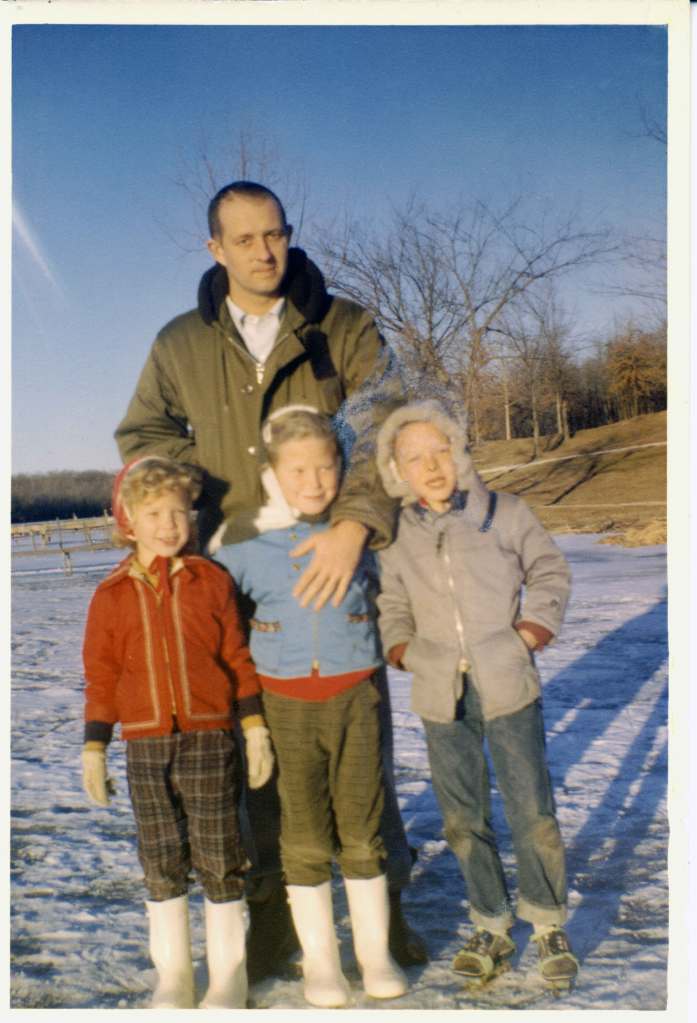
Dad Laura Diane and John small January 1961

MY DAD WITH US KIDS ON AN OUTING IN IOWA AROUND 1960

Back when I was a kid in the 1950s and 60s, so many well known facts about health consequences were not common knowledge. For example, we didn’t even think about providing sunglasses to children, and I don’t remember ever hearing of anything called sun screen.  We used suntan lotion instead to increase the sun damage! Good thinking, huh? I had a friend in high school who skipped school at the hottest part of the day just to really burn her skin.

Even in my late teens, when I was fortunate enough to spend a few months in southern Thailand, I used no sun screen. Today I have plenty of sun damage on my face, neck and chest to show for my bad judgment back then. And guess what? Sun damage is so obvious and UGLY as you age, not to mention so many wrinkles! I also damaged the retina at the back of one eye by having light colored eyes and not protecting them better. Now I have to wear dark sunglasses or I get headaches.

Another painful consequence for me, one I’m just beginning to realize in the past few years is shoulder, elbow and hand damage from overuse of my right arm. Sure, I know so much computer use in the past forty years hasn’t helped a bit, but I can highly recommend to those younger than me to not over use one side of your body. My left side seems brand new while my right arm, hip and knee complain constantly. Start to raise awareness right now how much you may depend on one side of your body for everything, and switch it up as soon as you can! Don’t wait until it hurts to use your right arm to realize you also have a left arm.

Something many boomers are realizing too late is how important good posture is while sitting and especially driving. Those who drive for a living in various careers can and do get stuck in one position for life. Notice how you sit and move even if it seems unconscious. Start doing stretches every day to combat being stuck in certain postures. Yoga is a great start to maintain spinal and upper body flexibility. Don’t wait. Do it NOW.

We also had no routine screenings for diseases like breast cancer and colon cancer when I was young. My Mom had to find her own breast lump in her thirties and for that reason she is still with us today. Mike’s Mom didn’t know about colon cancer and died at age 53. Do those screenings on a regular basis. They save thousands of lives every year.

I learned a little too late how to protect my brain properly. I realize now I am not alone in the bike accident department, especially past age 50. Balance and head injuries are not the same past age 50. If I had hit concrete instead of dirt headfirst back in 2008, I wouldn’t be here today. As it is, I was unconscious for hours afterward and don’t remember most of it. Today I live with extra brain challenges every single day because of one stupid mistake. Writing is one of the ways I meet these challenges.

mediterranean diet foods

And as crazy as it might seem, something I didn’t know when I was young, food truly is your best medicine. If you start out eating a wide variety of natural foods from birth instead of processed junk, you will thank yourself decades later. It is actually difficult to overeat real foods like eggs, dairy, nuts, lean meat, vegetables and fruit. Learn how to listen to your body and you will be less likely to stress eat instead of eating only when actually hungry.

Learn to love a few different types of exercise and do them for the rest of your life. Walking always makes me feel better mentally and physically. Gardening also keeps me active and happy. Find your favorite activities and keep improving every day of your life.

Making friends in small towns

A new friend has been through hell lately adjusting to the many strange things that go on when you move to a small town. That is not to say that you don’t also meet plenty of strange ones in cities too, but I have come to think there is something unique about moving to a town under population 1,000 where many people also come and go with the seasons.

My friend got stuck in the middle of lots of confusion and negativity which resulted in bad feelings. In talking with her about all of that, I began to recall how many beginner friendships I had in my first two years here, most of which ended quickly. So I decided to make a list and ended up with well over twenty individuals or couples where some sort of friendship began and then either went nowhere or worse.

I basically met no one worth being friends with for about two years here. Either they weren’t friendly at first, our politics were too far apart, we had nothing in common, or they started out friendly enough, but then went unfriendly fast. What I have found is that La Veta is not so much a close knit community as one with a few main cliches, where few are truly friendly when you’re new here.

A few said they were just waiting for us to leave after a year or two. Four years later that is not happening! Luckily there are enough decent people to go around, so who cares about the rest?

When my friend started lamenting her recent bad experiences with new friends, I told her that I always approach this topic with the certainty that I am a great person to have as a friend, but here I have learned to be pretty selective. A friend is someone who improves the life of someone they care about. Mike and I live by that code. Once we are friends with someone we will help them improve their lives in any way we can. I make an extra effort through this blog and my book about this area, to reach out to those just moving here for the first time. I call that being neighborly.

Good friendships take time. There will always be a period of  adjustment and testing in the beginning. I have found I do best with those with a similar education and background. Jealousy kills friendships. Most people here are quite nice, but I must keep in mind that some moved here to avoid relationships altogether.

A Study of Vigilance in Rural Colorado

Vigilance: the action or state of keeping careful watch for possible danger or difficulties. Synonyms: alertness, attentiveness, watchfulness

As a psychologist, my natural tendency is to observe changes in my own and others’ behavior. By living in cities for most of my life, and then moving outside of even the smallest town recently, I have had a marvelous opportunity to observe how my consciousness has changed. One area I find particularly interesting is my level of vigilance.

This is a state which most are not conscious of, because it can often be barely felt on a conscious level. Simple thoughts like “Are my doors locked?” “Do I feel safe now?” and “Am I safe?” can come up constantly. I became much more aware of these feelings after moving away from cities. In this way I discovered that we all experience varying degrees of safety in any environment.

I see now that while living in cities I felt the need to be constantly vigilant. Especially living as a single woman there, I was always quite aware of locking my doors, noticing strange sounds or things going on around my home, etc. Cities offer such a tight concentration of people everywhere, with traffic, lines at the store, etc. They seem to require a heightened level of vigilance at all times.

Sunflowers on a county road

MY COMMUTE TO TOWN

However, I didn’t become aware of my city-inspired heighten state of vigilance until I tried living away from others. When I first moved out into the country I felt isolated and concerned about that sense of isolation. How would I make new friends? What about emergencies?

But in less than a year or so those fears turned into a new sense of security and safety. We live among others who have three to six acres of land, and most keep completely to themselves. In this new setting I found that I needed to train myself how to mellow out. I was still hyper-vigilant, a trait that no longer served me.

Each year I live here, my level of deep security and relaxation increases along with my level of introversion. Some might see this as a bad thing, but I must say it feels really good to feel truly safe for the first time in decades, both in my home and in my life.

Should a seeker not find a companion who is better or equal, let him resolutely pursue a solitary path. There is no companionship with a fool.  – The Dhammapada


Earth Day in the USA: Love Your Mother

earth day

On January 28, 1969, a well drilled by Union Oil Platform A off the coast of Santa Barbara, California, blew out. More than three million gallons of oil spewed, killing over 10,000 seabirds, dolphins, seals, and sea lions. As a reaction to this natural disaster, activists were mobilized to create environmental regulation, environmental education, and Earth Day. Among the proponents of Earth Day were the people in the front lines of fighting this disaster, Selma Rubin, Marc McGinnes, and Bud Bottoms, founder of Get Oil Out.

Earth Day 1970

The first Earth Day celebrations took place in 1970 at two thousand colleges and universities, roughly ten thousand primary and secondary schools, and hundreds of communities across the United States. It also brought 20 million Americans out into the spring sunshine for peaceful demonstrations in favor of environmental reform. It now is observed in 192 countries, and coordinated by the nonprofit Earth Day Network, chaired by the first Earth Day 1970 organizer Denis Hayes, according to whom Earth Day is now “the largest secular holiday in the world, celebrated by more than a billion people every year.” Environmental groups seek to make Earth Day into a day of action to change human behavior and provoke policy changes.

Why Earth Day Today?

Because the earth needs us now more than ever! And since we’re fresh out of other planets to live on, now is as good a time as ever to do everything we can to preserve the miracle of this green and blue planet. Go solar! Use wind power. Change old habits that hurt the earth. You could probably name ten things today that would benefit Mother Earth immediately. Do it instead of just thinking about it!

big earth

What does the future hold? It’s all up to us!


Rediscovering your heart

“Who knows why you start rediscovering your heart you just do it again and again…”    – Jimmy Buffet

Midlife is such a marvelous time to rediscover yourself and your earliest dreams and goals. It is the time to look back and see how well you have achieved those goals you treasured as a child, and what else needs to be done to make your life complete.

Here’s a short essay from my book Find Your Reason To Be Here: The Search for Meaning in Midlife, about how this process might proceed:

pretty purple rocks

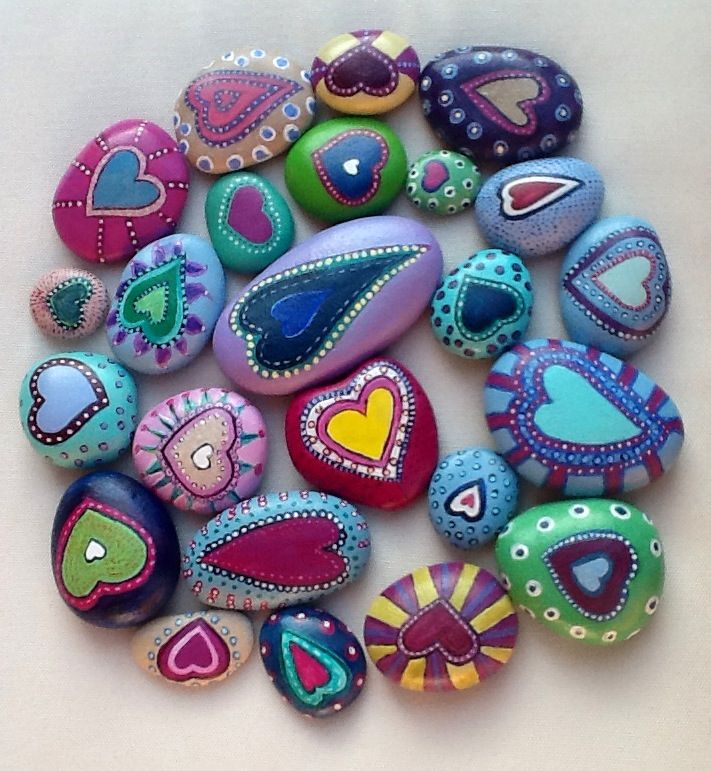
What Defines You? Rediscover Your Heart 

Your first step in this new action plan will be to let go of your previous reality, which was built on unrealistic goals, rules, expectations, and perceptions. This will require that you first find a way to believe it is possible for you to change your life.

How will you do this? First you must rediscover your heart, your inner wisdom, and your belief in your power to change perhaps everything in your life. Do you remember your child’s-mind and heart at age seven or eight? When you were that kid you had a pretty good idea of what you loved to do and what you were naturally good at. Back then you were still listening to your inner wisdom and paying more attention to its truths. That was before authority figures began sharing their truths with you, convincing you that your own truth was silly, unrealistic, and not worth listening to.

Now is the time to check inside again and excavate that child’s wisdom from the decades of outside advice and beliefs you have accumulated in your head and heart. Yes, there were many practical concerns that drove you to choose the major you pursued in college, the career you have dedicated your life to up until now, and even the love partner you may have spent the past 20 or 30 years with.

No need to judge the choices you have made up to now. Know that you have always done your best to survive and thrive, but also respect your present need for a mid-course adjustment. Constantly racing towards some sense of security is quite human, but not realistic. Find new respect for your changing self and the many new perceptions you will gather as you attempt to turn off the safety-seeking, security-oriented feedback loop in your brain. Security can only take you so far, but to grow and evolve you must take new risks. Your overall goal is to have no regrets as you look back over your life from the age of 70 or 80.

Change in midlife requires that, like never before in your life, you begin to believe in yourself and your power to change. This exercise will require that you develop your highest levels of self-love, self-respect, and self-compassion.

As you begin to recall your past interests and dreams, think about what happened to them. Did they hold any validity? Do you miss those dreams or have reasons to believe that you would still like to pursue them? Were they vestiges of your authentic self, which you have tried to delete or ignore for decades? Would this be a good time to allow them back into your heart, if only for a bit of new consideration?

Midlife is the best time to question again why you are here and become crystal clear about what needs to happen in your life before you die.

Laura and Rasta the view 2014

Open to your vast spontaneous creativity, give yourself the freedom to try new things, let go of your innate fear of failure, and finally feel free to experiment, perhaps for the first time in decades!