According to recent research, Americans are a pretty lonely group, and the younger you are, the lonelier you feel.
A nationwide survey by the health insurer Cigna underscores that fact. Their survey of over 20,000 American adults age 18 or older, finds that loneliness is widespread in our country, with nearly 50 percent of respondents reporting that they feel left out always or sometimes.
The Cigna results offer some alarming findings:
-
Nearly half of Americans report sometimes or always feeling alone (46 percent) or left out (47 percent).
-
One in four Americans (27 percent) rarely or never feel as though there are people who really understand them.
-
Two in five Americans sometimes or always feel that their relationships are not meaningful (43 percent) and that they are isolated from others (43 percent).
-
One in five people report they rarely or never feel close to people or feel like there are people they can talk to.
-
Americans who live with others are less likely to be lonely (average loneliness score of 43.5) compared to those who live alone (46.4). However, this does not apply to single parents/guardians (average loneliness score of 48.2) – even though they live with children, they are more likely to be lonely.
-
Only around half of Americans (53 percent) have regular meaningful in-person social interactions, such as having an extended conversation with a friend or spending quality time with family.
-
Generation Z (adults ages 18-22) is the loneliest generation and claims to be in worse health than older generations.
Is social media part of the problem?
Social media use alone is not a predictor of loneliness; respondents defined as very heavy users of social media have a loneliness score (43.5) not markedly different from the score of those who never use social media (41.7).
More time online and social media may be causing a rise in depression and suicide among American adolescents. People who spend less time looking at screens and more time having face-to-face social interactions are less likely to be depressive or suicidal.
It appears that how people use social media determines its influence on one’s sense of isolation.
Members of Generation Z, born between the mid-1990s and the early 2000s, had an overall loneliness score of 48.3. Millennials, just a little bit older, scored 45.3. By comparison, baby boomers scored 42.4. The Greatest Generation, people ages 72 and above, had a score of 38.6 on the loneliness scale.
I have been what I consider to be a loner for most of my life, and enjoyed most of that time alone. Even though I moved here with Mike, I feared moving to rural Colorado because I didn’t know if I would find friends here. As it turns out, I do have a few friends who understand the value of a great education, deep friendship and healthy solitude.

I also find I enjoy spending more time alone when feeling so connected to nature as I do here.
 I really don’t know how we got so driven as a culture, but I do have a few tips on how to give yourself a break from all of that internalized pressure: Take days off from your ‘normal’ life where you can truly do whatever YOU want to do. No rules. No guilt. Be lazy. Watch trashy TV. Eat mac and cheese. No food shaming either. Try really hard not to judge yourself or others for just a few hours. Celebrate having the time to just be yourself!

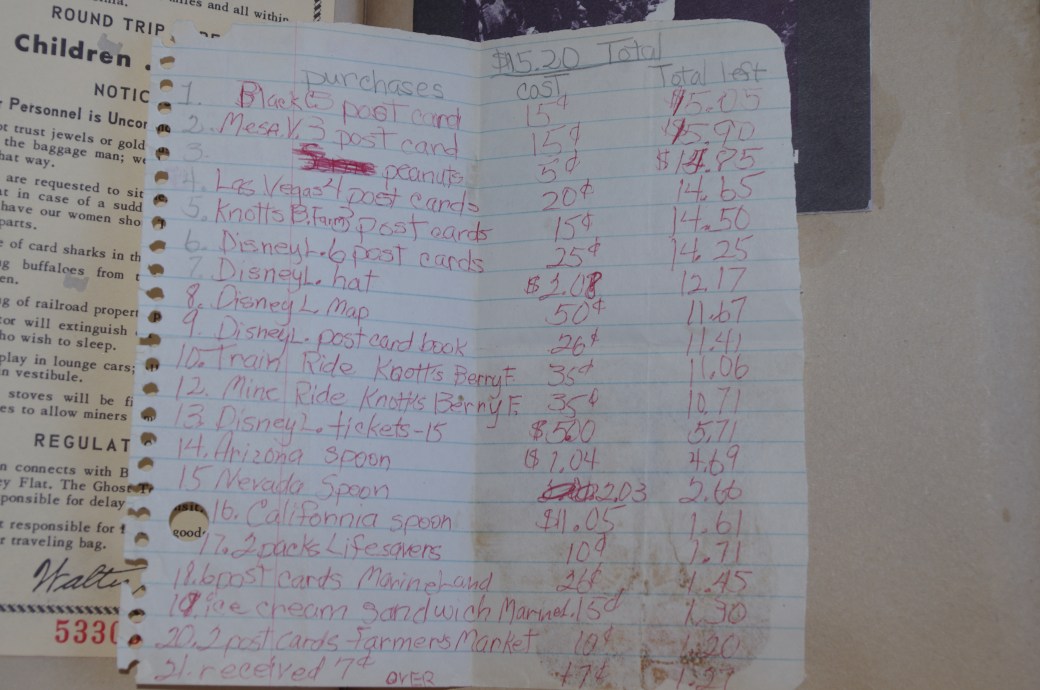
 I read an article yesterday that predicted that the oldest sibling would be best at finances and the youngest fairly bad at saving. Nope, that’s not how it worked in our family. How about yours? Where does the desire to save money come from?