a place you belong



What does retirement mean to you?
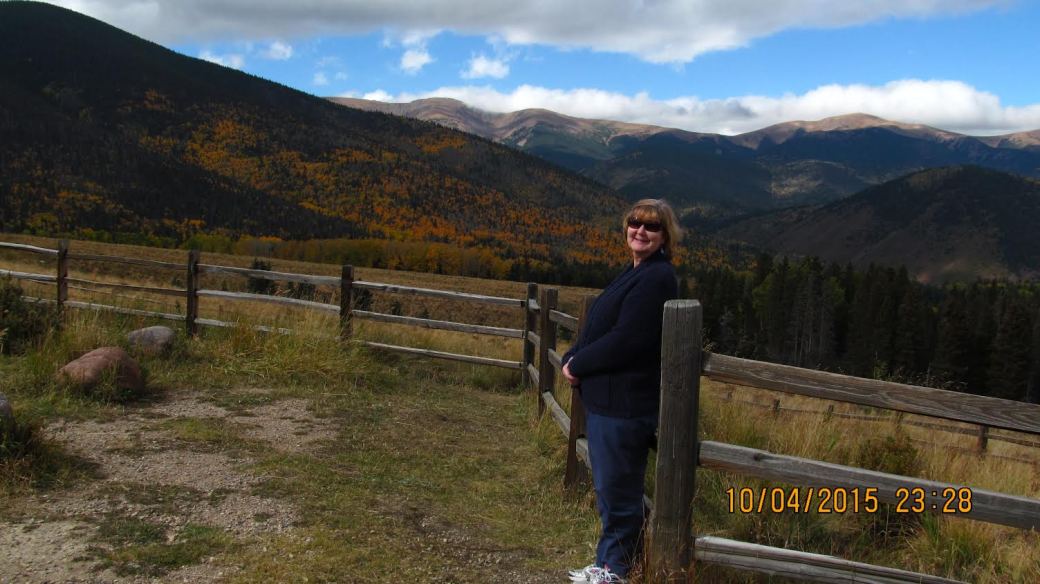 I have observed that there are just about as many responses to the idea of retirement as there are people. Many count the days to retirement. They see it as complete freedom, and can’t wait!
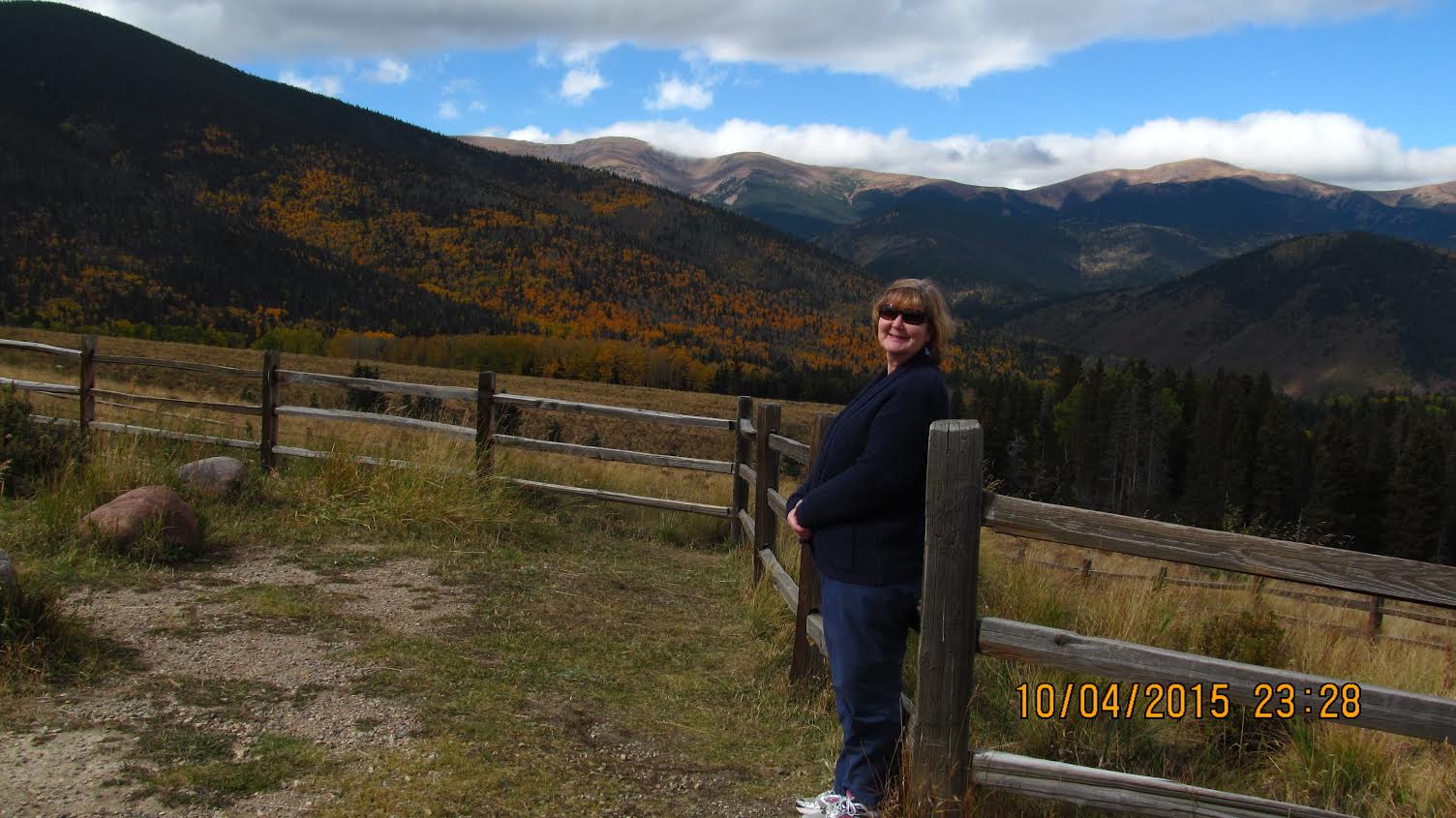
Others fear that kind of freedom. They are convinced that they need to be contributing at all times, and feel driven to continue for reasons of self-esteem and/or legacy.
I believe this has a lot to do with early brainwashing. If your parents are driven to contribute, than you may also have that driving spirit. If your parents look forward to retirement as reward for a job well done, you may too.
My family is the hard-driving type, and my siblings also feel that they have no purpose if they cannot work.
My new husband at age 50 saw things differently. Because of serious health issues, he wasn’t able to hold down a 40+ hour a week job past age 60.
When I first met Mike ten years ago I was still quite driven. I launched myself into my new writing career with my usual enthusiasm and stubbornness, convinced that I could make it big as a blogger and author.
 Over the past ten years my attitudes have changed dramatically. Mike has convinced me that being hard on myself and driven does not lead to contentment or even a happy life. It just leads to frustration with myself and others.
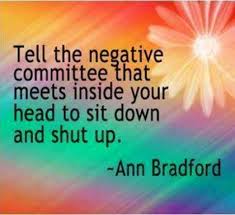
At what point is it OK to give yourself a break and say, “You are fine just the way you are.”
I have given much thought to my feelings about myself when I die. I do not believe that I will feel any better about myself then, if I produce more books or make any more money.
My time now is mine, and I plan to spend it doing whatever I choose, not feeling driven by my fears or my ego.
Click on photos for full-size views, and follow us on TWITTER!
Best of the Boomer Blogs Rides Again!
 I am always thrilled with synchronicity in my life. So when our brand new blog carnival member Linda Myers, presented me with a post about her writing group focused on the phrase: “What do you plan to do with your one wild and precious life?” I had to go back and see what I said eleven years ago.

That phrase was presented to me in mid-midlife crisis in 2004. Here is what I answered: Become my best self, discover, honor and contribute my best skills, find more fun and meaning, while also finding right livelihood. I am so happy to say the results have been marvelous.
Remember: What you focus on grows!
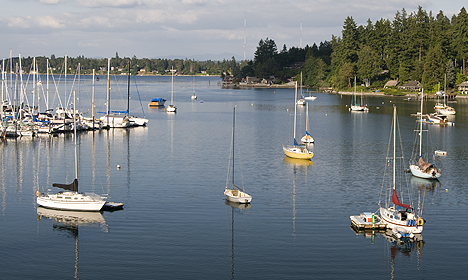 Here’s what Linda shares with us today on her “Thoughts of a Bag Lady in Waiting” blog: Six bloggers, me included, have been gathering for a few days in October at Lavender Hill Farm, on Vashon Island, near Seattle. This year we had a writing workshop which turned out to be more powerful than we had anticipated. Our final ten-minute write was based on the final line of a Mary Oliver Poem, “The Summer Day”: What is it you plan to do with your one wild and precious life? At the end of the post there are links to the writing of the other bloggers.

Meryl Baer of Six Decades and Counting is on the road again, this week visiting family in Vermont. The route of choice is the New York Thruway, a road taken since she was a little girl. Read about her reminiscences and current trip: On the road again: The New York Thruway…
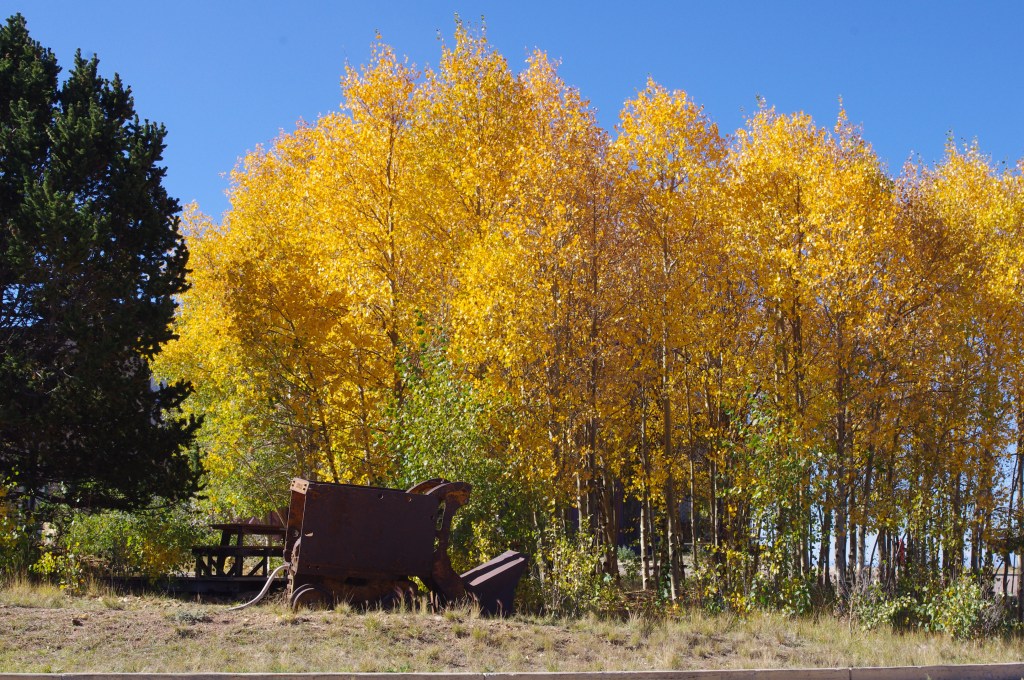
 It seems we are all waxing philosophical this time of year…Tom Sightings takes a Walk in October to see the sights, and recalls an old poem about how “The golden rod is yellow, the corn is turning brown, the trees in apple orchards with fruit are bending down.” Follow him to the end for a nice, tasty surprise! Nice sentiments Tom.

As an older adult, do you watch your salt intake? This week Rita R. Robison, On The Survive and Thrive Boomer Guide, writes about a  consumer group taking the U.S. Food and Drug Administration to court over the agency’s failure to regulate and reduce the excess salt in our food supply. The Center for Science in the Public Interest says the FDA’s failure to reduce the sodium in packaged and other foods is contributing to tens of thousands of premature deaths annually due to stroke, heart disease, and other health problems.
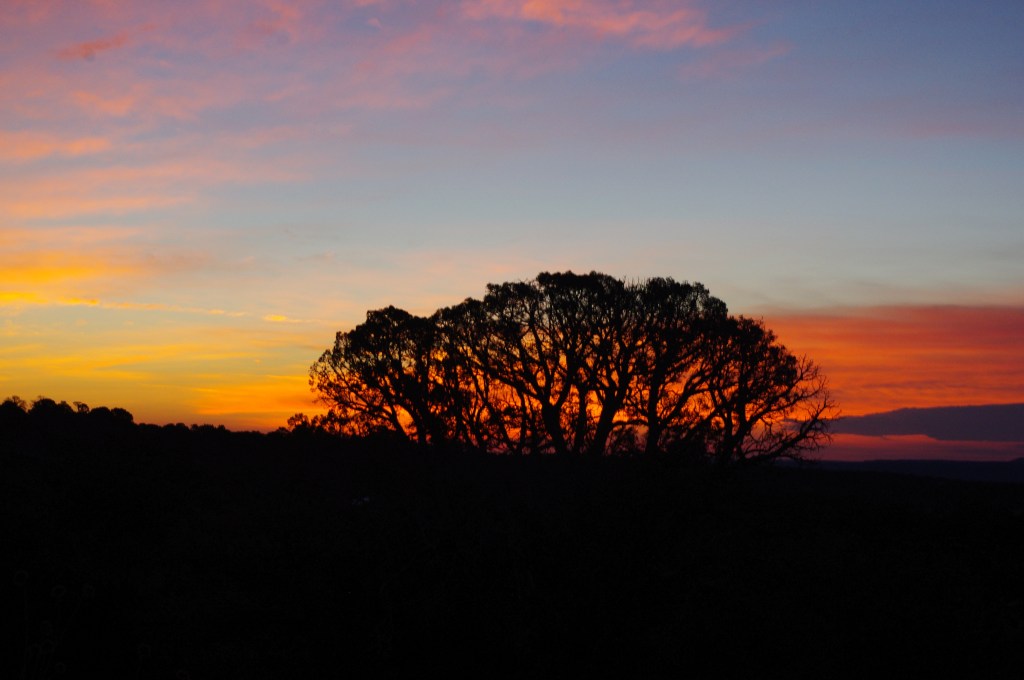
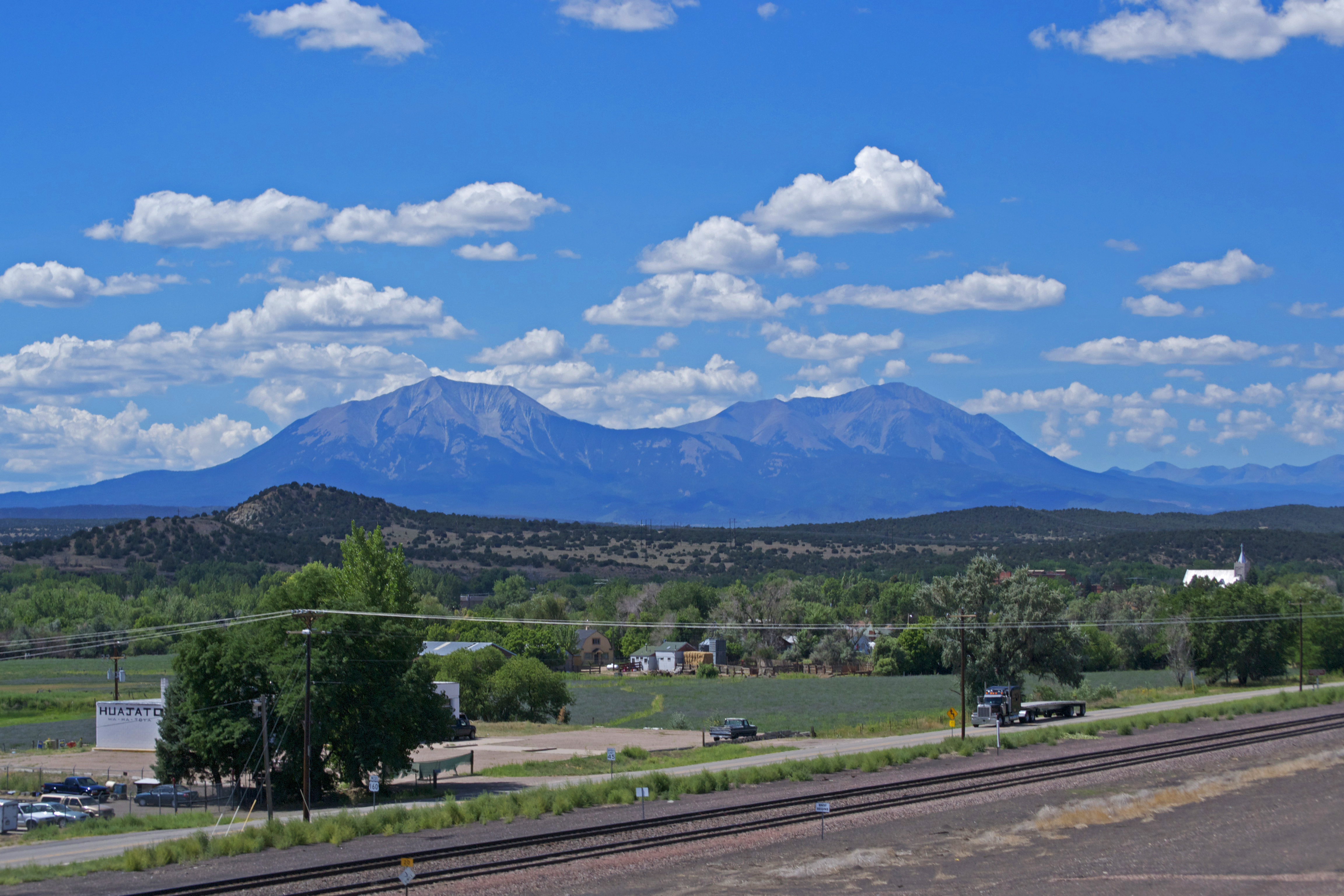
 I’ve been focused on the pure beauty of southern Colorado in the fall. Such lovely sunrises and sunsets. Life is good in retirement land….

A Good Morning in Retirement
Honestly, I cannot believe what a shutter-bug I have become since moving away from the city!
 First thing I noticed this morning, as soon as I woke up, was the beautiful sunrise to the east of our home. We can thank the fires out west for the brilliant red hue, but this truly is a beauty!
 Then I took a walk down below our home through a Pinyon-Juniper forest. Below is a large horse ranch. Those horses have no idea how good they have it! Or maybe they do….
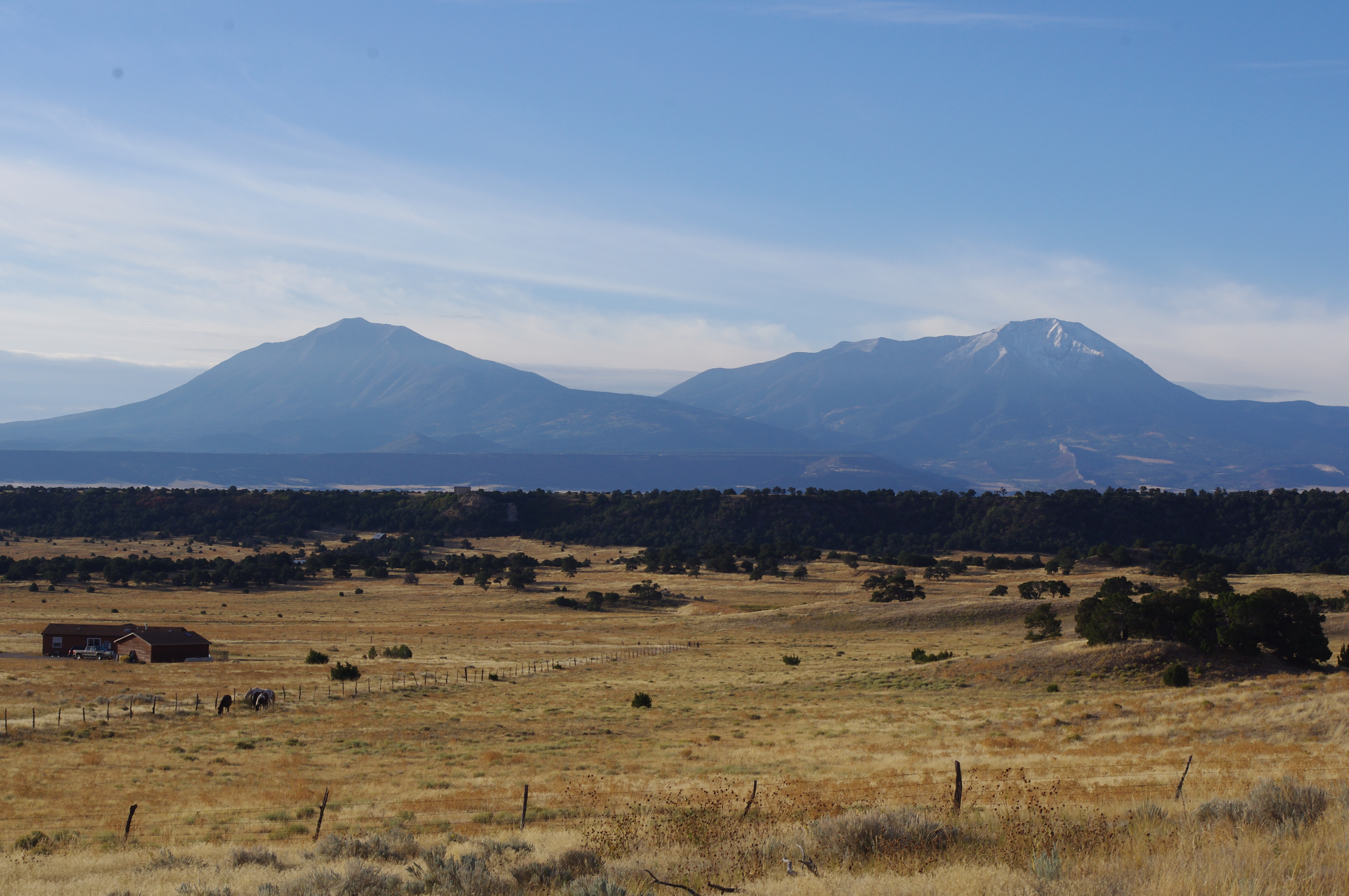
 Looking back up the hill I got a great view of our new home. Did you notice the wires running above the roof? That’s our new lightning protection system. Can’t be too careful up here!

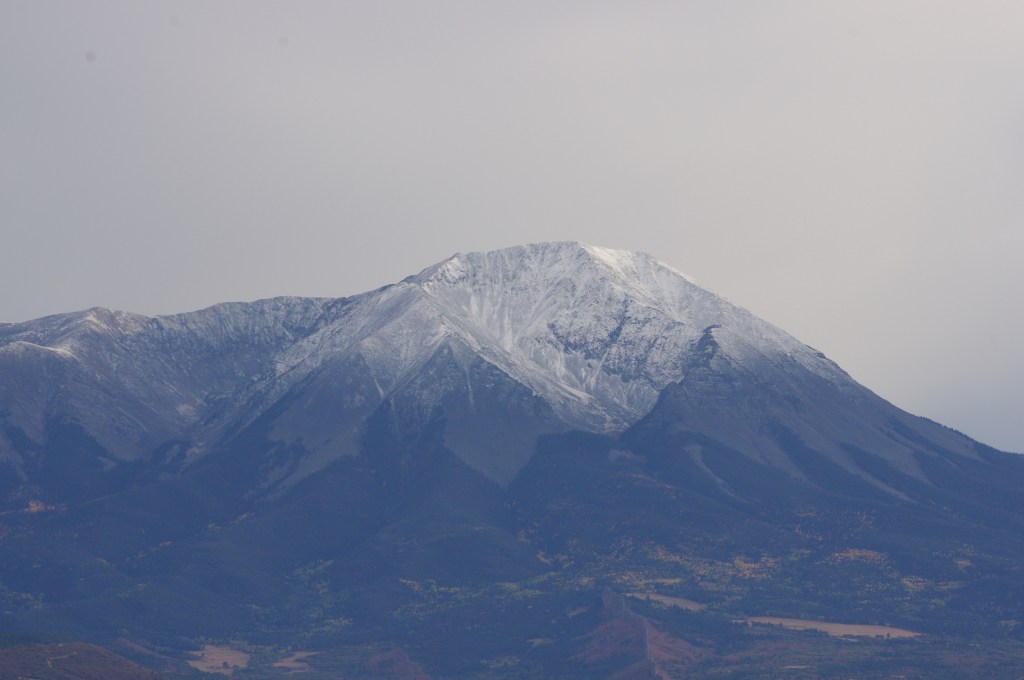
 Did you notice the snow up on the West Spanish Peak? Yesterday we had our first good snow storm up on the Sangre de Cristos…
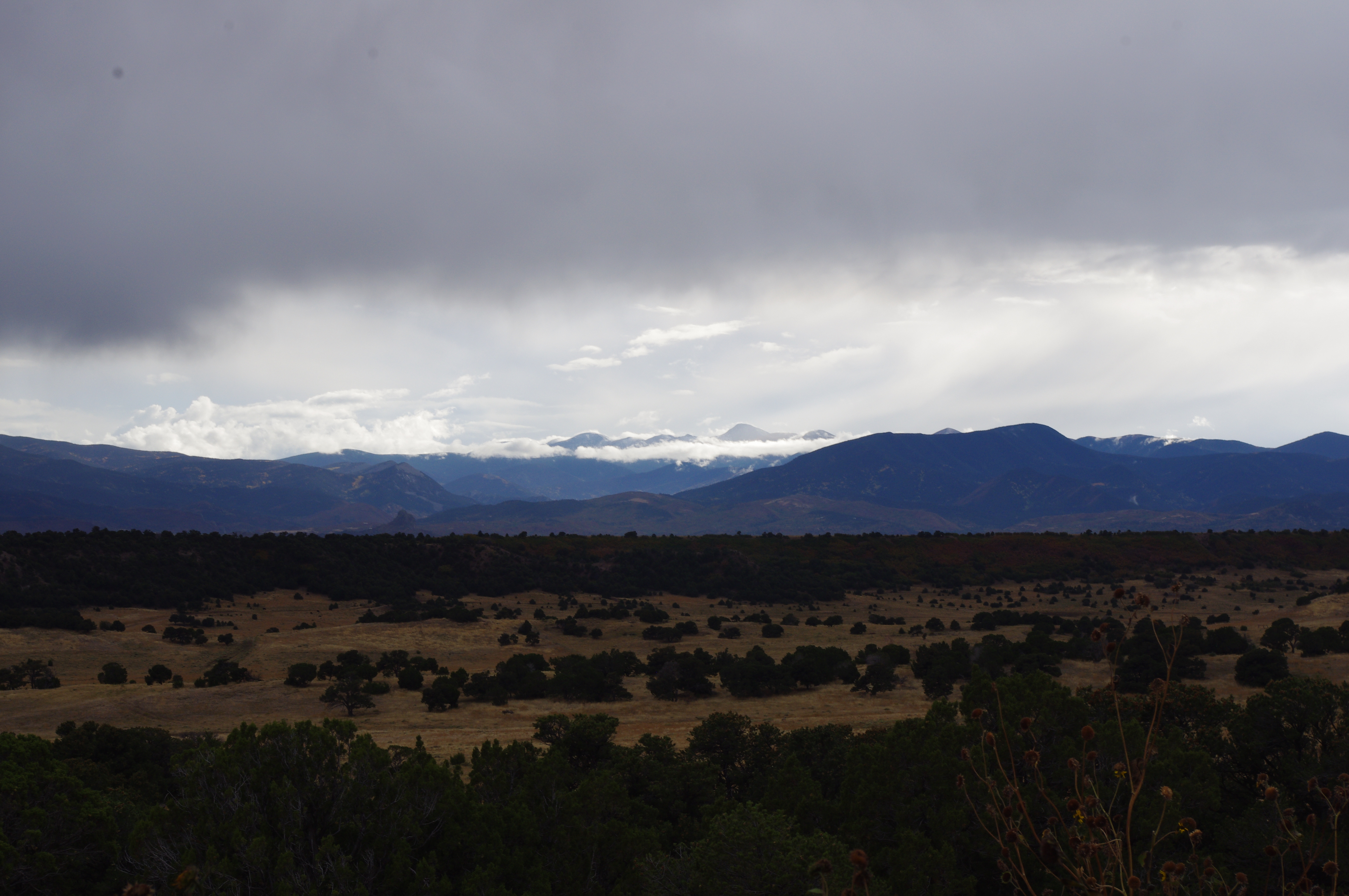
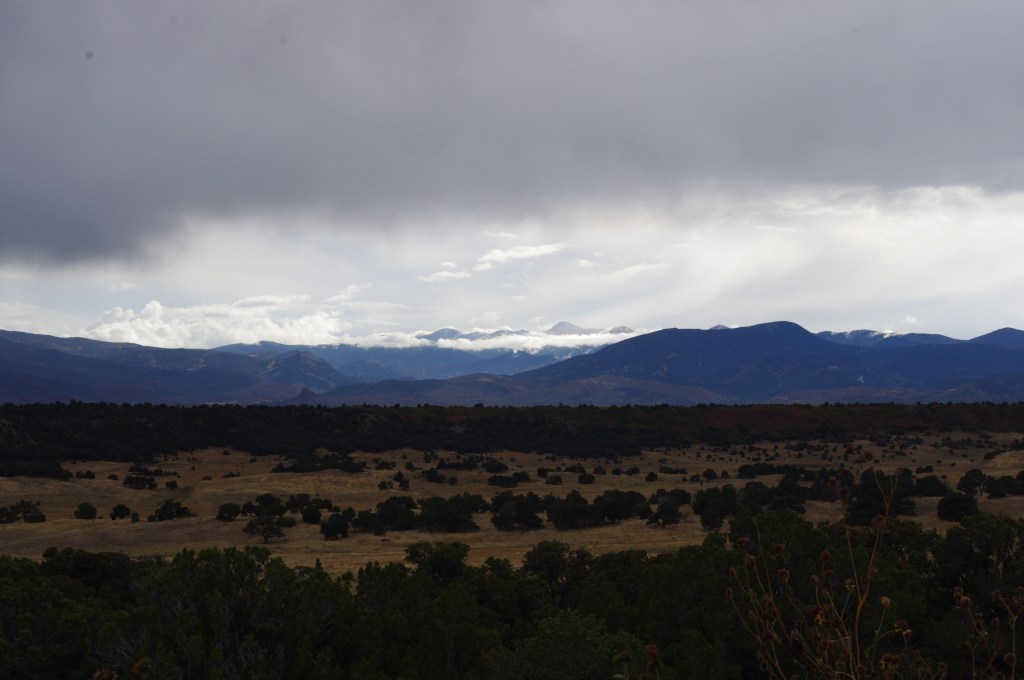
 And when the clouds cleared, we saw this!
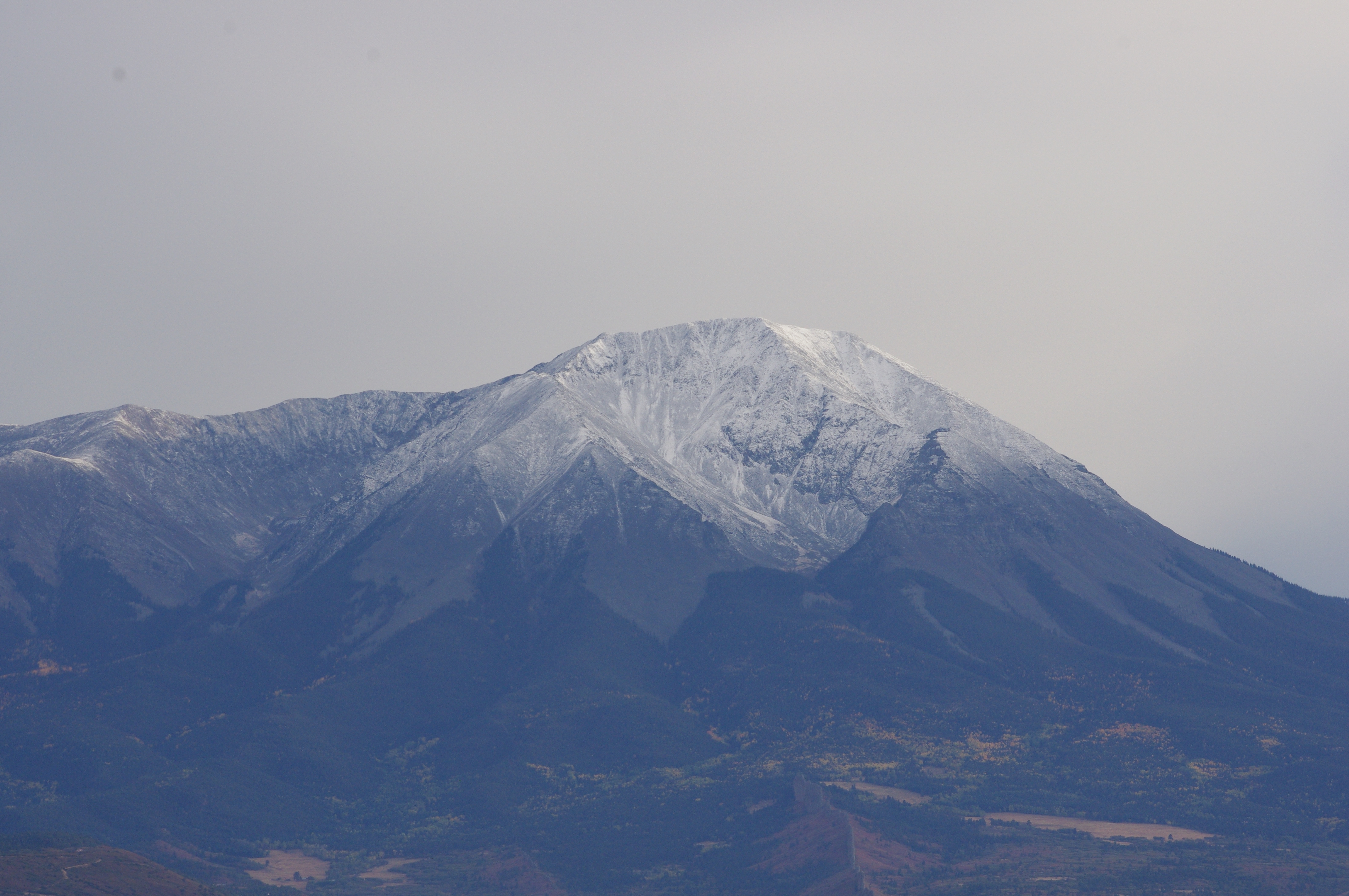
How did I end up here, feeling so fortunate?
It’s a long story, one I can now share with you in my new memoir!
and please follow us on TWITTER!
Reconnecting with nature
I see now that it is only by living in a suburban home for 60 years, that I can now see the difference in terms of connecting with nature.
Yes, I still live in a house, unlike my brother who lives outside all of the time, but in a place like this, nature cannot be ignored.
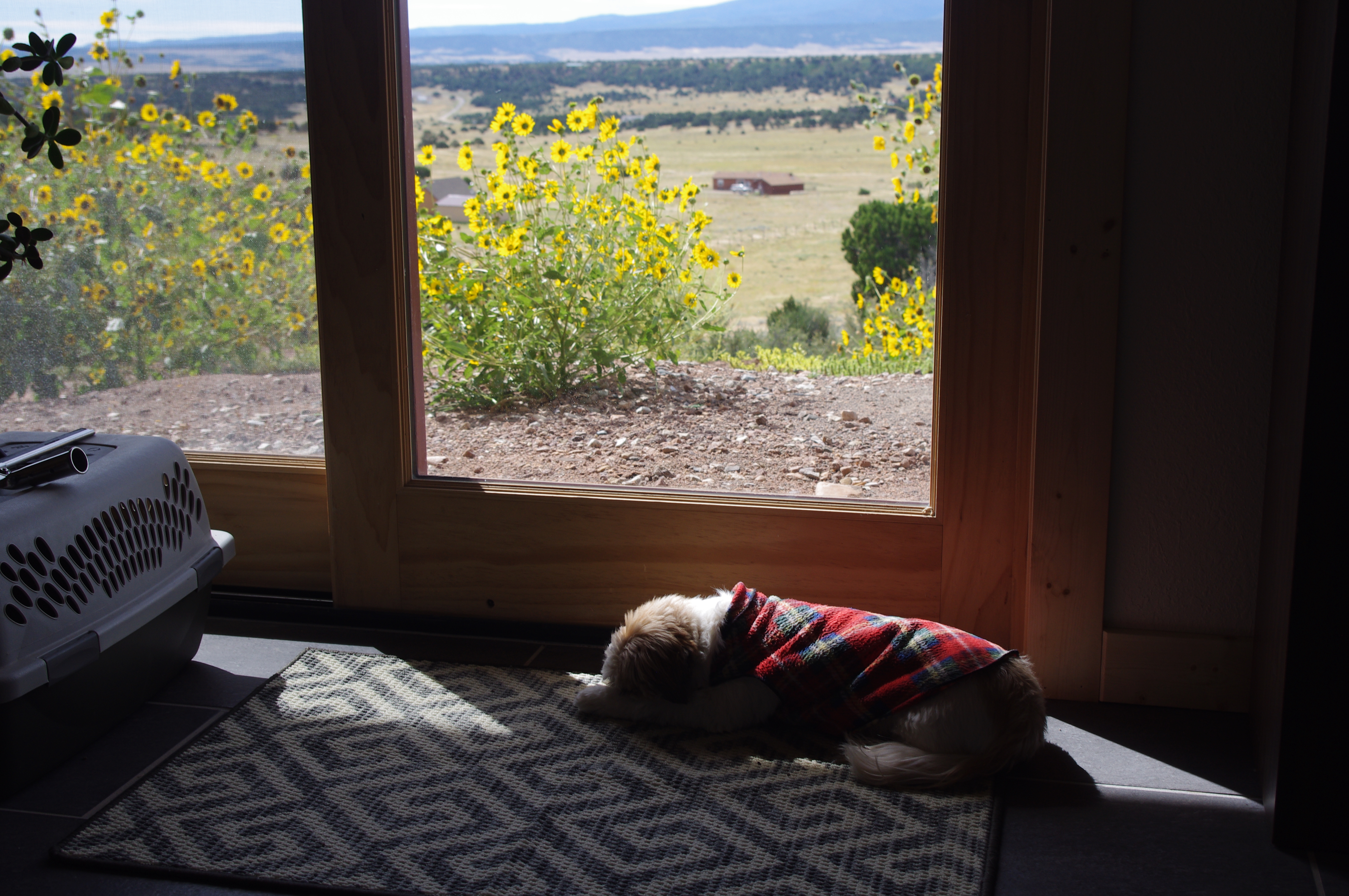
For example, in a passive solar home which is properly positioned to the sun, the solar heat is just now starting to edge into the south-facing windows.
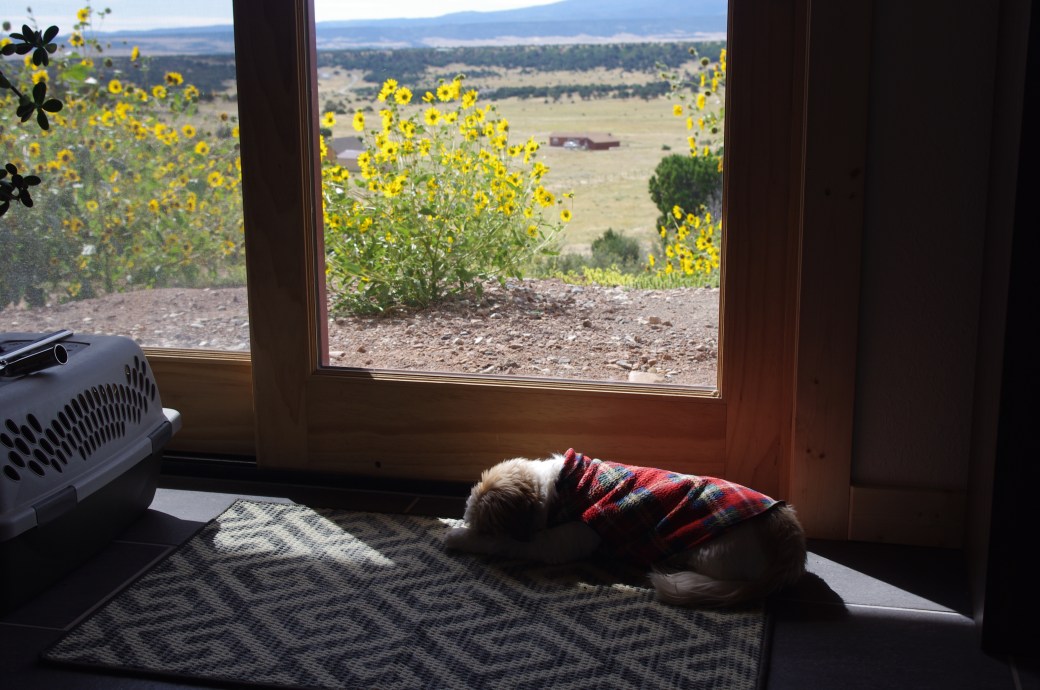 Ask my pup Rasta. He loves the new sun on his dog bed. And yes, he does wear a jacket even in the summer, crazy pup.
 Another example is the incredible sunsets we sometimes enjoy, like last evening. At first I only noticed the nice light to the southeast of us.
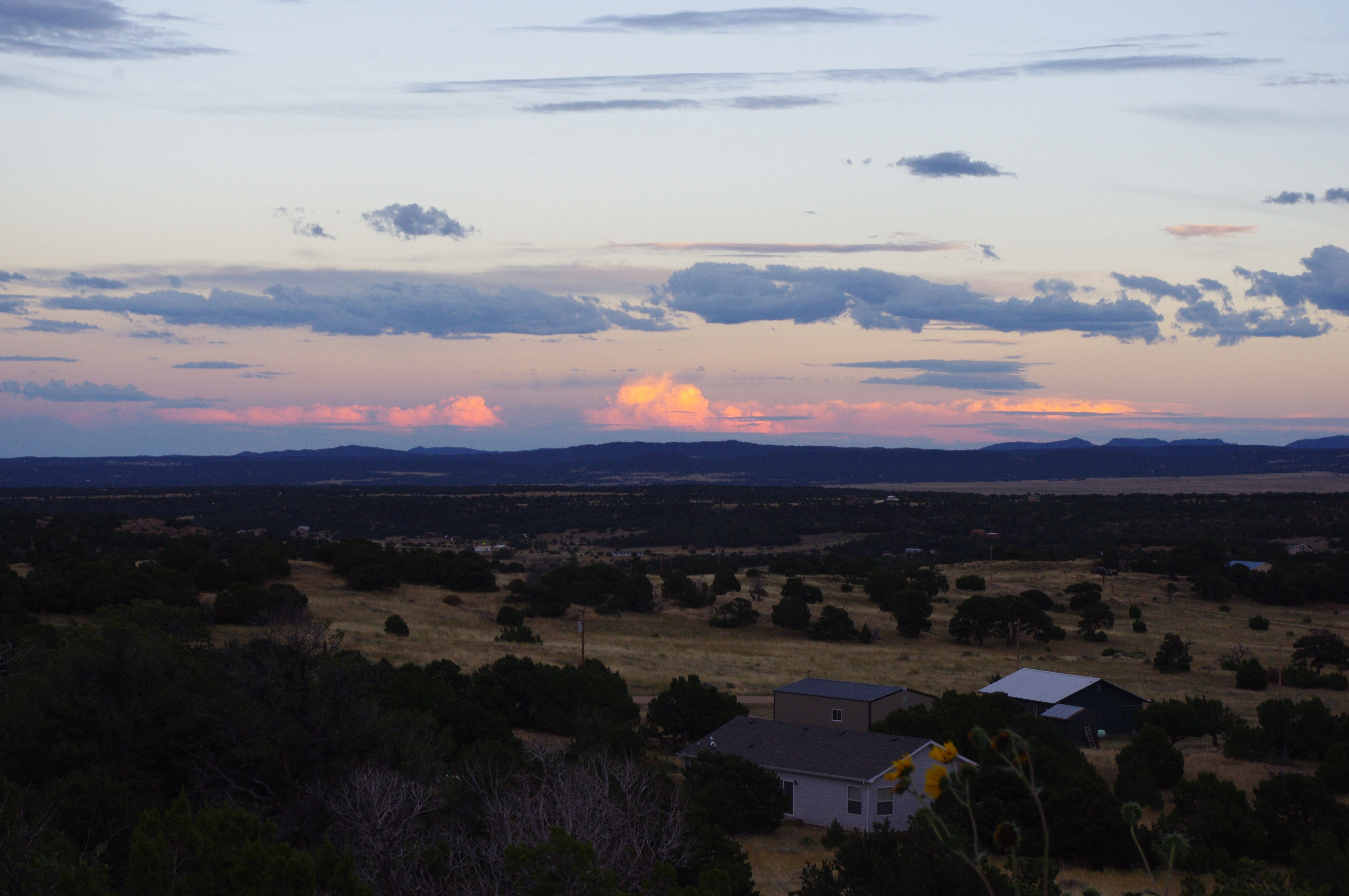
 It was still cloudy to the west, over Mount Mestas.
 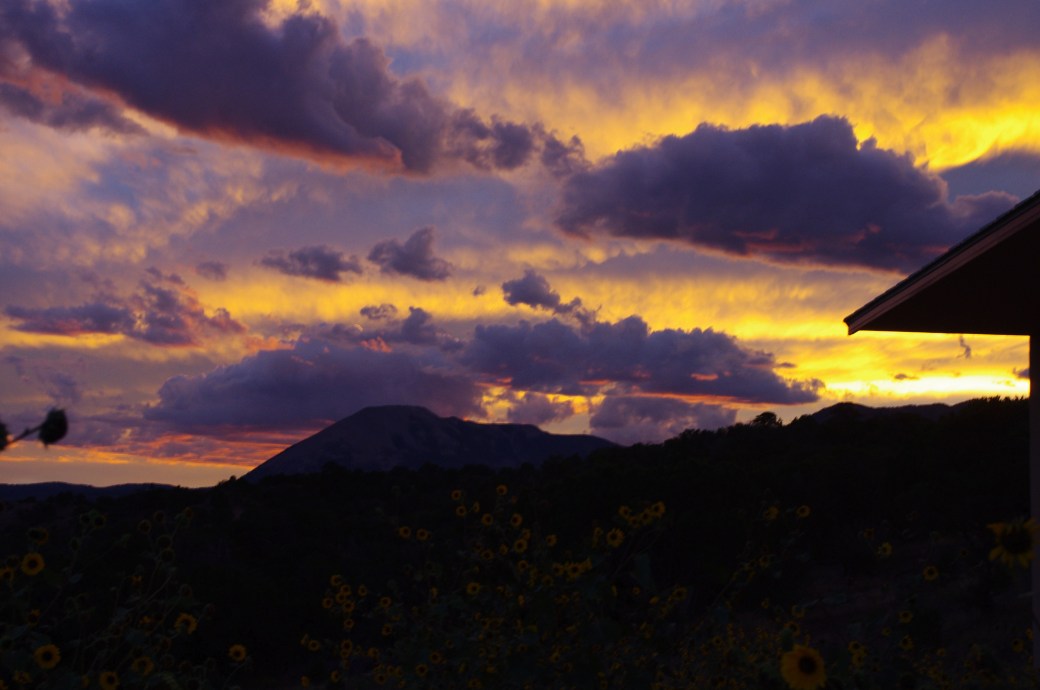 Then I looked out a few minutes later to see this!
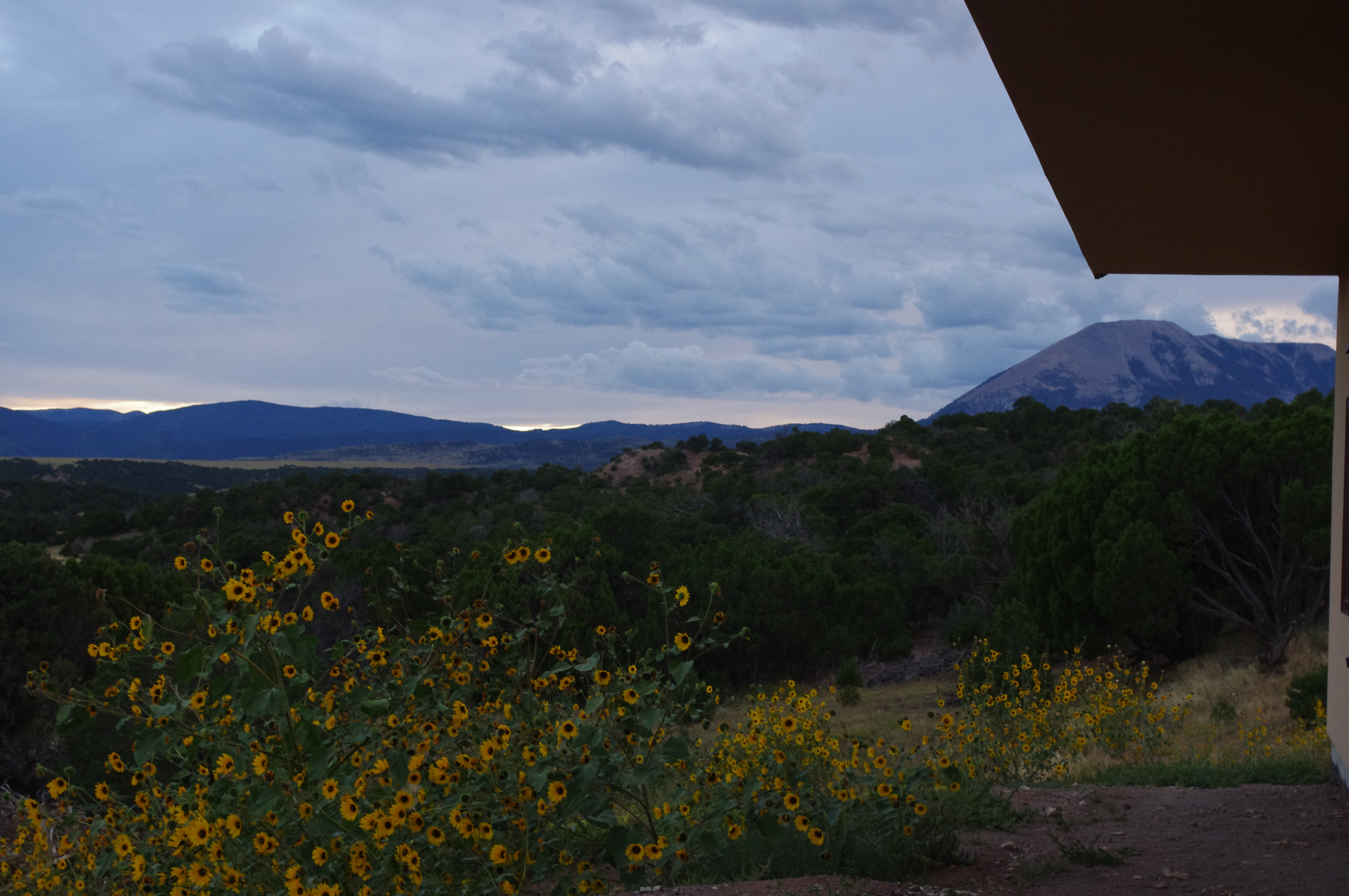

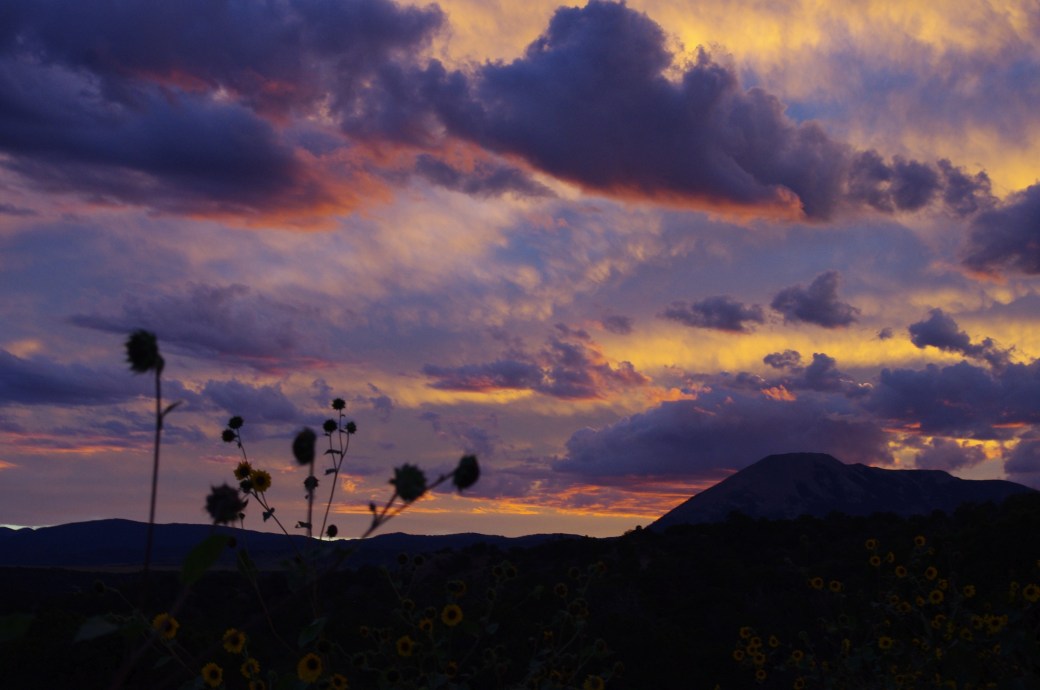 Now tell the truth, if this was happening right outside your door, could you really ignore it?
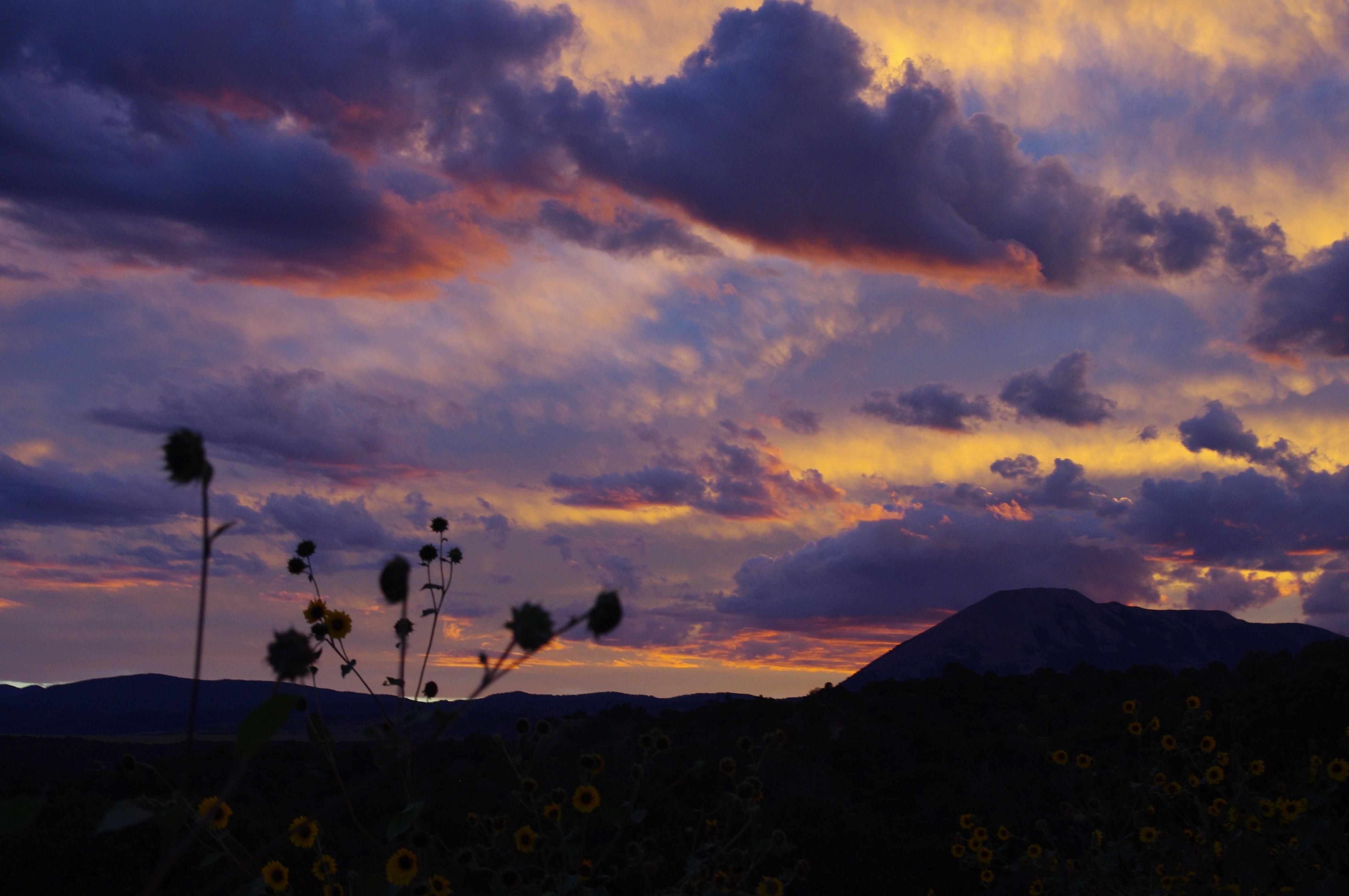
Click on photos for full-size views, and follow us on TWITTER!
City living and what it does to our hearts and minds…
I never gave it much thought until I moved to a very small town last summer, but I am now beginning to witness how rural living affects my own mental health. I have joked around here about escaping ‘metrofication’ but, as it turns out, this is no joke!
The research on this topic is stunning: Did you know schizophrenia is already one of the leading causes of disability worldwide, and its prevalence is increasing?
In 2010, the proportion of the world’s population living in cities passed into the majority. BY 2050, according to UN projections, this will exceed two-thirds.
Urbanization is a worldwide phenomenon:
In 2010, a group of Dutch researchers led by Dr Jaap Peen found that living in a city roughly doubles your risk of schizophrenia. The larger the city you were raised in, the higher your risk of developing schizophrenia later in life. At the same time urban living also raises your risk of developing anxiety disorders and mood disorders like depression, which is 40% more common in those raised in cities.
Interestingly, risk of substance abuse remains the same whether you live in cities or rural areas.
Exposure to nature and mental health:
Researchers in the US and elsewhere have found that exposure to nature seems to offer a variety of beneficial effects to city dwellers, from improving mood and memory, to alleviating ADHD in children.
Much of this research considers the question of “cognitive load”, the wearying of a person’s brain by too much stimulation, which is thought to weaken some functions such as self-control, and perhaps even contribute to higher rates of violence.
A German researcher, Dr Mazda Adli, studies the urban mixture of increased social density and social isolation, he calls this “social stress,” something we might call loneliness in a crowd. Social stress leads to irritability, mental disorders and higher rates of mortality in many species including human beings.
Social isolation correlates with mortality more strongly than smoking, obesity or alcohol abuse.
“Obviously our brains are not perfectly shaped for living in urban environments,” Adli says. “In my view, if social density and social isolation come at the same time, than city-stress related mental illness can be the consequence.”
The World Health Organization has identified stress as one of the major health challenges of the 21st century, and our brains are not well designed for living in a densely populated and over-crowded metropolis.
City living is correlated with increased stress exposure, and this has varying impacts on our health and well-being, depending on our upbringing and genetics. There is no denying that stress has an enormous impact on our physical and mental health.
From my perspective this is all too true. Since escaping the city over a year ago, I have noticed a major decrease in my own social stress, leading to better eating habits, sleeping habits and a general sense of well-being I did not experience in Fort Collins, CO, a small city.
 And now that we live out in the country, I feel like I am finally starting to relax like I never have before! That ever present low-level stress felt in all cities is simply gone.
My memoir about moving to rural Colorado from Fort Collins in 2014…
 Adventures of the NEW??? Old Farts

